


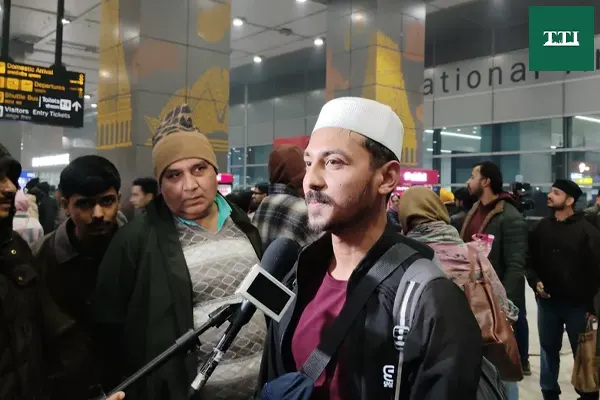
In a significant relief for families across India, the first major groups of Indian nationals have begun returning home from Iran as the country grapples with one of its most severe periods of civil unrest. Arriving at the Indira Gandhi International Airport in the early hours of Saturday, many evacuees described a harrowing environment characterized by widespread protests, a heavy security presence, and a near-total communications blackout.
Escalating Unrest and the “Internet Kill Switch”
The situation in Iran has deteriorated rapidly since late last month, sparked initially by the catastrophic plunge of the Iranian rial and soaring inflation. What began as economic frustration has evolved into a nationwide political movement spanning all 31 provinces. For the Indians living there—many of whom are medical students, pilgrims, and fishermen—the most paralyzing aspect of the crisis was the sudden disappearance of the internet.
Returning students described the implementation of what experts call an “internet kill switch.” With connectivity falling below 2% of normal levels, those stranded were unable to contact their families or access digital banking services. “The situation was very bad; there was no way to tell our parents we were safe,” said one student from Jammu and Kashmir. “We were essentially cut off from the world. It wasn’t just about social media; we couldn’t even use basic apps to coordinate travel or check news.”
Also Read: Lungi Uthi, Pungi Baji: Did Raj Thackeray’s Marathi Vitriol Hurt Uddhav’s Sena Too?
A Massive Diplomatic and Logistics Effort
Faced with a mounting death toll in Iran—which rights groups estimate has exceeded 3,400—the Indian Ministry of External Affairs (MEA) moved into high gear. The Indian Embassy in Tehran was forced to pivot from digital communication to old-school physical outreach. Since many nationals could not receive emails or WhatsApp messages, embassy officials reportedly conducted ground-level coordination, visiting dormitories and residential areas to register those wishing to leave.
The government’s response was a multi-pronged effort involving the activation of emergency helplines and the coordination of special travel arrangements. This evacuation follows the framework of previous successful missions, such as Operation Sindhu, which had been activated during earlier regional escalations. The MEA issued stern advisories, urging all Indians to depart by any available commercial means while also preparing chartered flights for those in the most volatile zones.
Emotional Homecoming at IGI Airport
The atmosphere at the Delhi airport was one of overwhelming gratitude and relief. As the doors opened to the arrival lounge, chants of “Bharat Mata Ki Jai” and “Hindustan Zindabad” filled the air. Many returning nationals, particularly students from Golestan University and Tehran University of Medical Sciences, were seen hugging their relatives, some of whom had traveled from as far as Srinagar and Bijnor to receive them.
Evacuees were quick to credit the swift intervention of the Indian government for their safety. Many noted that while the Iranian authorities attempted to maintain a sense of normalcy, the underlying tension was palpable. One returnee remarked, “We saw the situation getting worse every hour. If the embassy hadn’t stepped in when they did, we might have been stuck indefinitely with no way to communicate. We thank Prime Minister Narendra Modi and the External Affairs Minister for not leaving us behind.”
The Challenges Ahead for Those Left Behind
While hundreds have successfully returned, thousands of Indians remain in Iran. Current estimates suggest that there are still approximately 10,000 Indian nationals across the country, including a large contingent of seminary students in Qom and Mashhad. The Indian mission continues to emphasize that while the situation is “under control” according to Iranian officials, the security environment remains fluid and unpredictable.
The government has reiterated its advisory for those still in Iran to stay in close contact with the embassy and keep their travel documents ready at a moment’s notice. For the families in India who have not yet heard from their loved ones due to the ongoing internet disruptions, the MEA has set up a dedicated registration portal where relatives can provide details to help officials locate and assist those still in the country. As the unrest shows no signs of an immediate resolution, the focus remains on ensuring that every Indian who wishes to return home can do so safely and swiftly.