


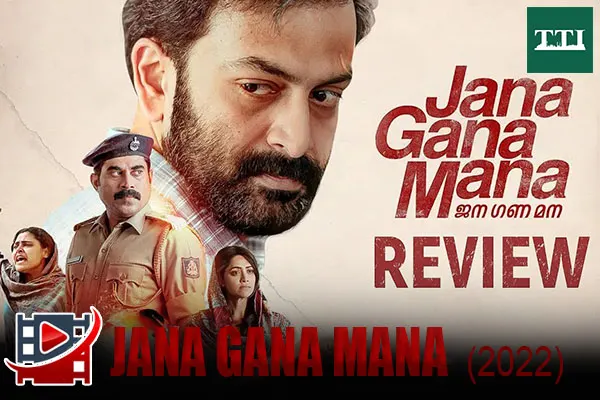
Jana Gana Mana (2022) is a powerful Malayalam social drama that addresses critical societal issues through compelling storytelling, strong performances, and nuanced direction. Directed by Dijo Jose Antony and featuring Prithviraj Sukumaran in the lead role, the film highlights systemic corruption, the exploitation of ordinary citizens, and the challenges faced by those who fight against injustice. Unlike conventional commercial films, Jana Gana Mana focuses on realism and social relevance, making it resonate deeply with audiences seeking meaningful cinema that reflects contemporary Indian society.

Narrative Overview and Core Themes
The story of Jana Gana Mana centers on a principled police officer who takes on a corrupt system to ensure justice for marginalized individuals. The plot unfolds in a realistic environment, depicting bureaucratic hurdles, political interference, and societal indifference that complicate the pursuit of justice. The protagonist’s journey is both personal and professional, reflecting his moral dilemmas, ethical convictions, and the sacrifices required to uphold integrity.
At its core, the film examines themes of social responsibility, accountability, and the consequences of systemic corruption. By focusing on the struggles of ordinary citizens and their interactions with institutions of power, the narrative raises awareness of real-world issues that affect millions in India. The storytelling balances tension, emotional resonance, and social commentary, ensuring that audiences are not only engaged but also prompted to reflect on the society around them.
Performances and Character Development
Prithviraj Sukumaran delivers a compelling performance as the protagonist, embodying both authority and empathy. His portrayal captures the nuances of a police officer navigating moral and ethical challenges, balancing firmness with compassion. The character’s evolution throughout the film—from frustration with systemic failures to strategic efforts to enforce justice—provides audiences with a deeply human perspective on law enforcement and civic duty.
Supporting actors, including notable Malayalam cinema talents, contribute significantly to the story’s depth. Each character is well-defined, representing different facets of society, from victims and whistleblowers to bureaucrats and politicians. These performances create a multi-dimensional narrative where the consequences of corruption and moral compromise are clearly illustrated, enhancing audience engagement and emotional investment.
Direction, Cinematography, and Visual Storytelling
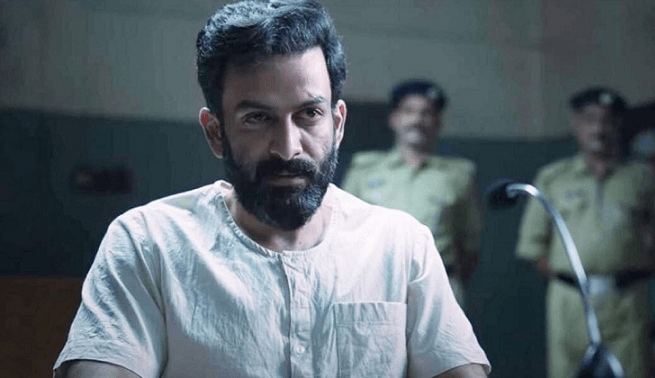
Director Dijo Jose Antony crafts a visually grounded and immersive film that prioritizes realism and narrative clarity. The cinematography emphasizes naturalistic lighting, authentic locations, and subtle framing to depict everyday environments in Kerala, including streets, offices, and rural areas. This visual approach reinforces the film’s thematic focus on ordinary lives and systemic challenges, making the story relatable and impactful.
The pacing of the film is deliberate, allowing moments of tension, confrontation, and reflection to unfold naturally. Action sequences, investigative developments, and courtroom dramas are edited for maximum narrative impact, without resorting to over-the-top dramatization. This grounded approach enhances credibility and reinforces the film’s social message.
Social Relevance and Impact
Jana Gana Mana is notable for its commentary on corruption, institutional inefficiency, and civic responsibility. The film exposes the gap between law enforcement ideals and practical realities, illustrating how political influence and bureaucratic hurdles hinder justice. By highlighting these systemic issues, the film encourages viewers to consider their own roles as citizens in promoting transparency and accountability.
The film also explores the human cost of corruption and injustice. Characters who are victims of systemic failures evoke empathy and create a strong emotional connection with the audience. These elements transform the film from a conventional drama into a socially resonant narrative that sparks dialogue and reflection.
Music, Sound Design, and Emotional Resonance
The musical score and sound design in Jana Gana Mana are understated but effective, enhancing the film’s emotional and narrative depth. Background music underscores moments of tension, moral conflict, and personal reflection without overshadowing the storytelling. Sound design, including ambient noises, dialogue clarity, and subtle effects, contributes to the film’s realism, ensuring that viewers are fully immersed in the cinematic world.
Unlike commercial films that rely heavily on songs or flashy musical sequences, Jana Gana Mana uses music and sound to support the story and accentuate key emotional beats. This approach aligns with the film’s realistic tone and reinforces the audience’s engagement with the social themes presented.
Critical Reception and Box Office Performance
Critics praised Jana Gana Mana for its socially relevant narrative, strong performances, and realistic portrayal of systemic issues. The film was recognized for avoiding melodrama and sensationalism, instead focusing on authenticity, character depth, and thoughtful storytelling. Prithviraj Sukumaran’s performance, in particular, was highlighted as a standout element that anchored the film.
Commercially, the film performed well for a socially focused drama, with strong collections in Kerala and other regions with Malayalam-speaking audiences. Its reception demonstrated that content-driven films addressing social issues can achieve both critical and financial success, encouraging filmmakers to explore meaningful narratives alongside entertainment-driven projects.

Cultural Significance and Audience Engagement
Jana Gana Mana had a significant cultural impact by initiating conversations about justice, corruption, and civic responsibility. Audiences praised the film for addressing contemporary societal challenges in a realistic and relatable manner. Social media discussions and community screenings highlighted the film’s relevance and encouraged viewers to reflect on personal and societal responsibilities.
The film also contributed to a growing trend in Indian cinema where social dramas engage audiences beyond mere entertainment, promoting awareness, empathy, and critical thinking. By focusing on the consequences of systemic failures and the moral dilemmas faced by individuals within institutions, Jana Gana Mana reinforced the potential of cinema to influence public discourse and inspire societal reflection.
Conclusion / Final Thoughts
Jana Gana Mana (2022) is a landmark Malayalam social drama that combines compelling storytelling, strong performances, and a focus on realism to explore systemic corruption, civic responsibility, and ethical dilemmas. Its success lies in the balanced portrayal of characters, the immersive visual style, and the thoughtful integration of social commentary. By addressing contemporary societal challenges in a relatable and engaging manner, the film resonates deeply with audiences and contributes meaningfully to the cultural conversation about justice and accountability in India.
The film demonstrates that socially relevant cinema can achieve both critical acclaim and commercial success, setting an example for future filmmakers who aim to combine narrative depth, performance excellence, and societal impact. Jana Gana Mana proves that Indian audiences are receptive to films that challenge, inspire, and reflect the realities of the society in which they live.
FAQs
1. Who is the lead actor in Jana Gana Mana (2022)?
Prithviraj Sukumaran plays the lead role, portraying a principled police officer committed to justice.
2. What are the main themes of the film?
The film explores systemic corruption, civic responsibility, ethical dilemmas, and the human cost of injustice.
3. How was the film received by critics and audiences?
Critics praised its realistic narrative, strong performances, and social relevance, while audiences appreciated its thought-provoking story and emotional depth.
4. Why is Jana Gana Mana considered socially significant?
It highlights real-world issues of corruption and injustice, encouraging reflection on civic responsibility and ethical conduct in society.
Next Topic: Vikrant Rona (2022) – Action Thriller Highlights
Also Check: Ala Vaikunthapurramuloo (2020) – Musical Success