


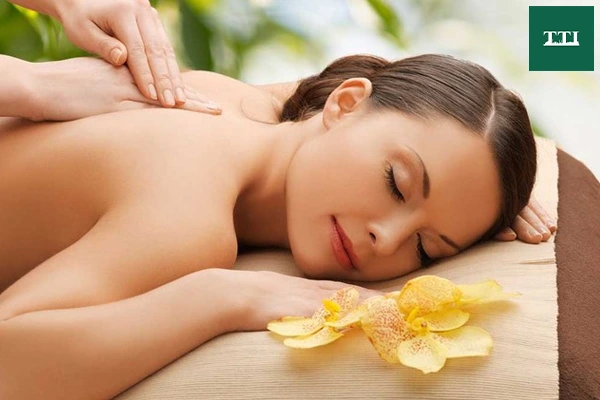
In the fast-paced world of modern living, finding a sanctuary for relaxation is no longer a luxury but a necessity for holistic health. Among the diverse array of wellness treatments available, the Swedish massage stands out as the gold standard for stress relief and physical rejuvenation. Often recommended as the ideal starting point for spa newcomers, this therapeutic approach combines gentle pressure with specific rhythmic techniques to harmonize the body and mind. If you are considering your first session at a professional center like Sovarel Wellness, understanding the process can help you transition into a state of deep tranquility with confidence.
The Foundation of Swedish Massage
The primary objective of a Swedish massage is to promote total relaxation by releasing muscle tension and increasing the flow of oxygen in the blood. Unlike deeper, more intense therapies, this method focuses on the superficial layers of muscle. By using a combination of long, gliding strokes and soft kneading, therapists can decrease toxins in the muscles while simultaneously increasing circulation. This dual action not only alleviates physical soreness but also provides a significant boost to the immune system and mental clarity.
Also Read: The Gentle Gateway: Why Swedish Massage Is the Ultimate Choice for Your First Spa Journey
Preparing for Your Session
Preparation is key to maximizing the benefits of your treatment. On the day of your appointment, it is advisable to wear loose, comfortable clothing and avoid eating a heavy meal immediately beforehand. Most professional spas suggest arriving 10 to 15 minutes early to allow time for a brief consultation. During this initial meeting, you will discuss your wellness goals, any specific areas of pain, and your preferred level of pressure. This dialogue ensures that the therapist can tailor the session to your unique needs, whether you are seeking relief from work-related stress or looking to improve your quality of sleep.
Core Techniques and Their Benefits
The efficacy of a Swedish massage lies in five signature techniques that work in harmony to soothe the nervous system. Understanding these methods provides insight into how the body responds to the treatment:
Effleurage: This involves long, sweeping strokes that move toward the heart. It is typically used at the beginning and end of a session to warm up the tissues and soothe the nerves. This technique is essential for improving blood flow and inducing a sense of calm.
Petrissage: A deeper kneading movement where the therapist lifts and squeezes the soft tissues. This is particularly effective for stretching the muscles, breaking down “knots” or adhesions, and facilitating the movement of fluids throughout the body.
Friction: By applying circular or linear pressure with the thumbs or fingertips, the therapist can target specific areas of tension. This technique generates heat and penetrates deeper into the muscle fibers to release chronic tightness.
Tapotement: This rhythmic tapping or drumming motion is used to stimulate the muscles and improve circulation. While it might sound active, when performed correctly, it helps invigorate the body and can even assist in clearing respiratory congestion.
Vibration: The therapist uses their hands or fingers to create a rapid shaking movement on the skin. This subtle technique is highly effective for relaxing the underlying muscles and stimulating the nerves, often providing a final layer of deep relaxation.
What to Expect During the Treatment
Once the consultation is complete, you will be shown to a private, dimly lit room designed for sensory comfort. Privacy is a hallmark of the professional experience; you will be asked to undress to your comfort level and lie on a padded massage table. Throughout the session, your body will remain covered by a sheet or towel, with only the specific area being worked on—such as the back, an arm, or a leg—briefly exposed. The therapist will use high-quality oils or lotions to ensure the movements are fluid and skin-friendly. Throughout the 60 to 90 minutes of the treatment, the focus remains on your comfort, and you are encouraged to communicate if you would like the pressure adjusted at any time.
Aftercare and Lasting Effects
The journey doesn’t end when you leave the massage table. Immediately following the session, many clients report feeling a “massage high“—a state of profound relaxation accompanied by a slight sense of sleepiness. To support the body’s natural detoxification process, it is vital to drink plenty of water and allow yourself time to rest. Regular sessions, typically once a month, can lead to long-term improvements in flexibility, reduced anxiety, and a more resilient immune system. By embracing the Swedish massage experience, you are not just treating your muscles; you are investing in a healthier, more balanced lifestyle.
Also Read: Cold Showers: Are They Actually Good for You? Benefits, Risks, and Tips