


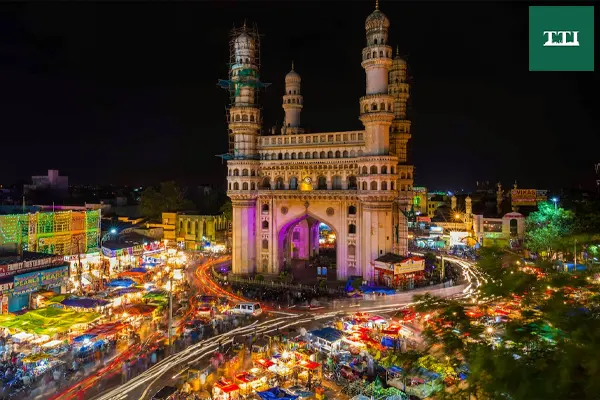
Hyderabad is a city that exists in two timelines simultaneously. On one side, you have the “Old City,” a labyrinth of narrow lanes, aromatic spice markets, and centuries-old Indo-Islamic architecture. On the other, “Cyberabad” rises with gleaming glass skyscrapers, luxury malls, and the headquarters of global tech giants. For a traveler, this duality offers a rich, multi-layered experience that is unlike any other destination in India. To truly appreciate the City of Pearls, one must balance the grandeur of the Nizams with the fast-paced energy of a modern metropolis.
The first thing any traveler notices about Hyderabad is the pace of life, which is surprisingly relaxed compared to Mumbai or Delhi. However, the traffic remains a formidable challenge. Navigating the city requires a bit of strategy. While the growing Metro network is excellent for traveling between the tech hubs and the city center, the traditional heart of the city is best explored on foot or via auto-rickshaws. Using ride-hailing apps like Uber or Ola is highly recommended to avoid the hassle of negotiating fares, especially during the humid afternoon hours.
The Grandeur of the Charminar and Laad Bazaar
No trip to Hyderabad is complete without visiting the Charminar. This 16th-century monument, with its four grand arches and soaring minarets, serves as the symbolic center of the city. Beyond its architectural beauty, the Charminar is the gateway to the sensory explosion known as Laad Bazaar. This market is world-famous for its shimmering bangles, many of which are still handcrafted using traditional lacquer and stones. As you walk through these lanes, the smell of roasting kebabs and the sound of merchants calling out to passersby create an atmosphere that feels virtually unchanged by time. Travelers should remember that bargaining is an essential skill here; never accept the first price offered, and do so with a polite smile.
Also Read: The Garden City Guide: Navigating the Magic of Bengaluru
Echoes of History at Golconda Fort
A short drive from the city center leads you to the majestic Golconda Fort, the former capital of the Qutb Shahi dynasty. This granite fortress is an engineering marvel, particularly renowned for its advanced acoustics. A single clap at the entrance dome can be heard clearly at the ‘Bala Hissar’—the highest point of the fort—nearly a kilometer away. It is best to visit the fort in the late afternoon. This allows you to explore the ruins while the sun is lower in the sky and stay for the evening Light and Sound show. This performance narrates the history of the “Hope Diamond” and other legendary gems that were once traded within these very walls.
Art and Opulence: Salar Jung and Chowmahalla
For those who appreciate the finer things, the Salar Jung Museum and Chowmahalla Palace offer a glimpse into the staggering wealth of the Nizams. The museum houses one of the largest private collections in the world, featuring everything from ivory carvings to Japanese lacquerware. The centerpiece is the “Veiled Rebecca,” a marble statue so intricately carved that the stone appears to be translucent fabric. Nearby, the Chowmahalla Palace provides a quieter, more regal experience. Its grand Khilwat Mubarak, adorned with Belgian crystal chandeliers, reflects the Persian influence on Hyderabadi royalty and offers a peaceful escape from the city’s bustle.
The Serenity of Hussain Sagar Lake and Birla Mandir
As evening approaches, the city’s focus shifts toward Hussain Sagar Lake. This heart-shaped lake separates the twin cities of Hyderabad and Secunderabad. A massive monolithic statue of Lord Buddha stands in the center, accessible by a short ferry ride. The surrounding “Necklace Road” becomes a hub of activity as locals gather for street food and evening walks. Overlooking the lake is the Birla Mandir, a temple constructed entirely of white marble from Rajasthan. Visiting this temple at dusk is a spiritual experience; the white stone glows against the setting sun, and since it is located on a hilltop, it provides the most breathtaking panoramic view of the illuminated city below.
Cultural Nuances and Culinary Delights
While sightseeing is essential, the true essence of Hyderabad is found in its flavors. Hyderabadi Biryani is not just a dish; it is a cultural heritage. It is a slow-cooked blend of basmati rice and marinated meat that demands patience and precision. For a more casual local experience, stop by a corner cafe for Irani Chai and Osmania biscuits. This tradition, brought over by Persian settlers, remains the social glue of the city.
Travelers should be mindful of local customs, particularly when visiting the Old City. Dressing modestly is appreciated, and removing shoes before entering homes or religious sites is mandatory. The people of Hyderabad, known for their “Tehzeeb” (etiquette) and hospitality, are generally very helpful to tourists. Whether you are wandering through the ruins of a fort or negotiating the price of a pearl necklace, approaching the city with curiosity and patience will ensure a memorable journey through one of India’s most fascinating urban landscapes.
Also Read: Essential Ahmedabad: A Comprehensive Guide to India’s First Heritage City