


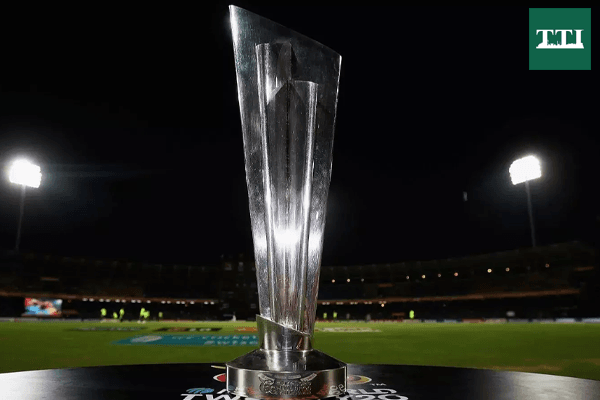
The International Cricket Council has officially confirmed the final rosters for 19 of the 20 participating nations ahead of the ICC Men’s T20 World Cup 2026. Set to be co-hosted by India and Sri Lanka, the tournament’s landscape is now largely defined, with powerhouse teams and emerging associates alike locking in their fifteen-man units. While the excitement is palpable, the final announcement was marked by significant injury news and a few remaining tactical mysteries.
Group A: Titans and Challengers Assemble
Group A is headlined by India, led by Suryakumar Yadav. The Indian squad balances explosive youth with seasoned experience, featuring the likes of Abhishek Sharma, Tilak Varma, and Rinku Singh alongside the elite pace of Jasprit Bumrah and the spin duo of Kuldeep Yadav and Varun Chakaravarthy. They are joined by Pakistan, where Salman Ali Agha has been named captain. The Pakistani contingent remains formidable with stalwarts Babar Azam and Shaheen Shah Afridi, though the inclusion of fresh faces like Khawaja Mohammad Nafay and Usman Tariq suggests a tactical shift toward versatility.
The United States enters the competition under Monank Patel, looking to build on their previous successes with a squad featuring Saurabh Netravalkar and Harmeet Singh. Rounding out the group are Namibia and the Netherlands. Namibia, led by Gerhard Erasmus, brings a veteran core including JJ Smit and Bernard Scholtz, while the Netherlands, under Scott Edwards, relies on established names like Bas de Leede, Logan van Beek, and Roelof van der Merwe to navigate the subcontinental conditions.
Also Read: Champions Primed: India’s Dominant Series Win Sets the Stage for T20 World Cup Defense
Group B: Tactical Shifts and Injury Woes
The headlines in Group B were dominated by Australia’s last-minute changes. Captain Mitchell Marsh will lead a squad missing two key pillars; Pat Cummins and Matthew Short were ruled out due to injury setbacks just as the deadline approached. In their stead, Ben Dwarshuis and Matthew Renshaw have been drafted into a lineup that still boasts immense firepower in Travis Head, Glenn Maxwell, and Marcus Stoinis.
Ireland, captained by Paul Stirling, brings a consistent roster featuring the Tector brothers and the pace of Josh Little. Zimbabwe returns to the global stage with Sikandar Raza at the helm, supported by experienced campaigners like Brendan Taylor and Blessing Muzarabani. Oman, led by Jatinder Singh, completes the group with a squad focused on spin and local familiarity. Notably, host nation Sri Lanka has yet to publicly announce its final 15-man squad, making them the only team in the tournament still shrouded in selection intrigue.
Group C: The Powerhouse Collective
England and the West Indies highlight a very competitive Group C. England’s defense of their standing is led by Harry Brook, who captains a side featuring the returning Jofra Archer and the explosive Jos Buttler. The squad is deep in all-round talent, with Sam Curran and Will Jacks providing middle-order flexibility. The West Indies, under Shai Hope, have opted for a blend of raw pace and Caribbean flair, including Shamar Joseph, Shimron Hetmyer, and the veteran Jason Holder.
Italy makes a notable appearance in this group with Wayne Madsen leading a squad that includes several players with high-level professional experience, such as JJ Smuts and Thomas Draca. Nepal, led by Rohit Paudel, will lean heavily on the spin of Sandeep Lamichhane and the all-round skills of Dipendra Singh Airee. Scotland completes the group under Richie Berrington, bringing a well-drilled unit that includes George Munsey and Mark Watt.
Group D: Experience Meets Emerging Talent
Group D appears to be a battle of spin and endurance. South Africa, captained by Aiden Markram, features a balanced attack with Kagiso Rabada and Anrich Nortje providing the heat, while David Miller and Quinton de Kock offer veteran stability in the batting order. New Zealand, led by Mitchell Santner, has selected a squad deeply familiar with World Cup pressure, including Devon Conway, Daryl Mitchell, and Rachin Ravindra.
Afghanistan, a rising force in the T20 format, is led by Rashid Khan. Their squad is bolstered by the return of Naveen Ul Haq and Gulbadin Naib, making them a dangerous prospect on spinning tracks. Canada, under Dilpreet Bajwa, and the United Arab Emirates, led by Muhammad Waseem, round out the tournament entries. Both associate nations have selected squads with a focus on recent form in domestic T20 leagues, hoping to provide the upsets that have become a hallmark of the T20 World Cup.
Also Read: India’s Rising Stars Dominate as They Secure Semi-Final Spot