


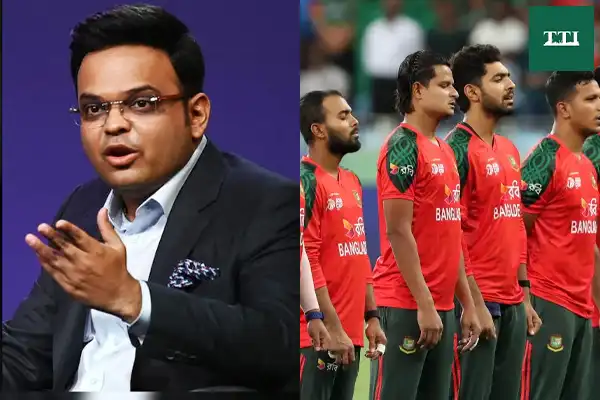
The International Cricket Council (ICC) has found itself at the center of a mounting controversy following its decision to eject Bangladesh from the 2026 T20 World Cup. The move has sparked a wave of criticism from prominent figures in the cricketing world, most notably former Pakistan captain Shahid Afridi and former Australia all-rounder Jason Gillespie. Both veterans have publicly slammed the global governing body for what they perceive as a glaring lack of consistency in how security concerns and venue changes are handled among member nations.
Accusations of Double Standards in Governance
The core of the backlash stems from a comparison between the current situation involving Bangladesh and the logistical arrangements made for India during the 2025 Champions Trophy. At that time, India cited security threats as a reason for refusing to travel to Pakistan. In response, the ICC accommodated the Board of Control for Cricket in India (BCCI) by adopting a “hybrid model,” allowing India’s matches to be played at a neutral venue in Dubai.
Shahid Afridi was vocal in his disappointment, taking to social media to express that the ICC appears to be applying different sets of rules to different boards. He argued that if India’s security concerns were valid enough to warrant a venue shift, the same courtesy and understanding should have been extended to Bangladesh. Afridi emphasized that fairness and consistency are the essential foundations of global cricket governance, suggesting that by denying Bangladesh a similar compromise, the ICC is failing its member boards and millions of fans.
Also Read: Winter Chaos in Himachal: Massive Traffic Jams and Infrastructure Collapse as Snow Grips Manali
Questions Over the Refusal of Neutral Venues
The controversy reached a boiling point after a three-week standoff between the Bangladesh Cricket Board (BCB) and the ICC. Bangladesh had requested that their matches be moved out of India due to safety concerns. However, the ICC remained firm, eventually disqualifying Bangladesh and naming Scotland as their replacement for the tournament.
Jason Gillespie, who previously served as a coach for Pakistan, echoed Afridi’s sentiments by questioning why the ICC could not facilitate a neutral venue for Bangladesh. In a post that was later deleted, Gillespie pointedly asked for an explanation as to why the precedent set by India’s refusal to play in Pakistan was not being followed here. He noted that the ICC had previously allowed matches to be moved to accommodate a specific team’s requirements, making the current refusal to do so for Bangladesh difficult to justify without a clear explanation.
Impact on the 2026 T20 World Cup Landscape
The ejection of Bangladesh has significantly altered the lineup for the upcoming T20 World Cup. With Scotland now confirmed as the replacement team, the tournament’s integrity has come under scrutiny. Critics argue that the ICC’s decision to “boot” a full member over security-related venue requests—rather than finding a diplomatic middle ground—sets a concerning precedent for future international events.
While the International Cricket Council maintains that it must follow established tournament frameworks, the public outcry from figures like Afridi and Gillespie highlights a growing perception that the governing body is more flexible with “Big Three” nations like India than with others. Afridi’s remarks about the ICC “burning bridges” rather than building them reflect a concern that these decisions could alienate smaller cricket-playing nations and their fanbases.
The Standoff and Its Aftermath
The standoff concluded with the ICC formalizing Scotland’s entry, but the ripples of the decision continue to be felt across the sport. Reports suggest that the ICC remains firm in its stance, even as whispers of potential boycotts or further sanctions circulate within the cricketing community. The situation has placed the ICC in a defensive position, as it struggles to balance the logistical demands of a global tournament with the political and security-related sensitivities of its member nations.
As the 2026 T20 World Cup approaches, the focus remains on whether the ICC will address these allegations of “mixed standards.” For now, the voices of Gillespie and Afridi serve as a reminder that the cricketing world is watching closely, demanding a level of transparency and equality that many feel is currently missing from the halls of cricket’s highest authority.