


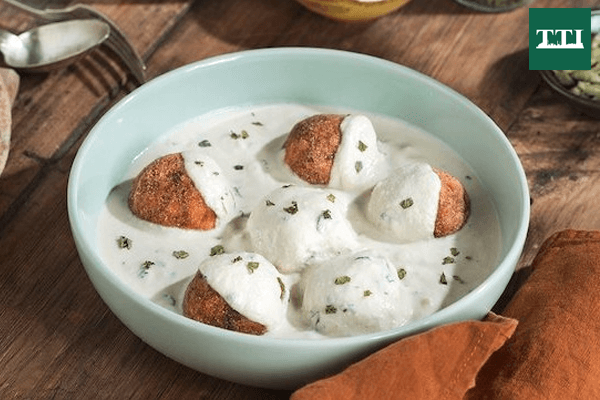
In the vast and flavorful landscape of North Indian cuisine, few dishes command as much respect and admiration as Malai Kofta. Known as the crown jewel of vegetarian festival meals and restaurant menus, this dish offers a sophisticated balance of textures and flavors. Specifically, the version featuring Paneer Kofta—soft dumplings made of cottage cheese and potatoes—served in a silky, rich gravy, is a testament to the art of Indian tempering and slow-cooking.
Understanding the Essence of Malai Kofta
The name “Malai Kofta” literally translates to “Creamy Dumplings.” In this particular recipe, the “Malai” refers to the luscious, velvet-textured gravy, while the “Kofas” are the deep-fried balls that serve as the protein-rich center of the meal. Unlike meat-based koftas found in other regional cuisines, the Paneer Kofta is delicate and designed to melt in the mouth. It is a dish that prioritizes a mild, slightly sweet profile over aggressive heat, making it a universal favorite for those who appreciate aromatic spices without intense spiciness.
Preparing the Perfect Paneer Koftas
The foundation of a great Malai Kofta lies in the preparation of the dumplings. The recipe begins with high-quality paneer and boiled potatoes. It is vital to boil the potatoes just until they are fork-tender; overboiling leads to mushy potatoes, which can cause the koftas to disintegrate during frying. Both the paneer and the potatoes are crumbled or grated to ensure a uniform, smooth texture.
To these base ingredients, a mixture of ginger paste, salt, garam masala, and freshly chopped coriander leaves is added for depth. A binding agent—typically corn starch or refined flour—is essential to hold the mixture together. For those looking for a “restaurant-style” surprise, a small stuffing of chopped cashews and raisins can be tucked inside each ball, providing a delightful crunch and a hint of sweetness in every bite. Once shaped into smooth, crack-free balls, they are deep-fried in medium-hot oil until they achieve a beautiful golden-brown exterior while remaining pillowy soft on the inside.
Also Read: How to Create the Perfect South Indian Rava Upma
Crafting the Silky Malai Gravy
The gravy is what gives Malai Kofta its characteristic “Shahi” or royal feel. The process starts by sautéing whole spices like green cardamoms, cloves, and cinnamon in oil to release their essential oils. Cubed onions are then added and cooked until they turn transparent or lightly golden. Following this, tomatoes and cashew nuts are introduced to the pan. The cashews are a critical ingredient, as they provide the natural fats needed to create a thick, creamy consistency without relying solely on dairy.
Once the onion-tomato-cashew mixture is soft, it is cooled and blended into a super-smooth puree. To achieve the signature “silky” texture seen in high-end dining, the puree can be passed through a sieve to remove any remaining bits of spice skin or tomato seeds. This refined base is then returned to the pan and simmered with red chili powder, coriander powder, sugar, and more garam masala. A touch of sugar is important here to balance the acidity of the tomatoes and enhance the richness of the cashews.
The Art of Assembly and Serving
One of the most important secrets to a successful Malai Kofta is the timing of the assembly. Because the koftas are so delicate, they should never be boiled in the gravy. If left to soak for too long, they will absorb the liquid and break apart. Instead, the cooled or warm gravy is poured into a serving dish, and the koftas are placed on top just before the meal is served.
To finish the dish, a tablespoon of fresh cream is drizzled over the top, and a garnish of fresh coriander leaves is added for a pop of color and freshness. This dish is best enjoyed with leavened breads like butter naan or garlic roti, though it also pairs beautifully with aromatic jeera rice.
Expert Tips for Success
Achieving the perfect consistency requires a few professional touches. If your homemade paneer feels too wet, it is recommended to grate it and let it sit uncovered in the refrigerator for a few hours to dry out. When frying, always test one kofta first; if it breaks, adding a little more corn starch will solve the problem. Finally, remember that the best Malai Kofta is defined by its creaminess and subtle fragrance rather than its spice level. By following these steps, you can recreate this royal Indian classic right in your own kitchen.
Also Read: A Guide to Authentic Restaurant-Style Paneer Butter Masala at Home