


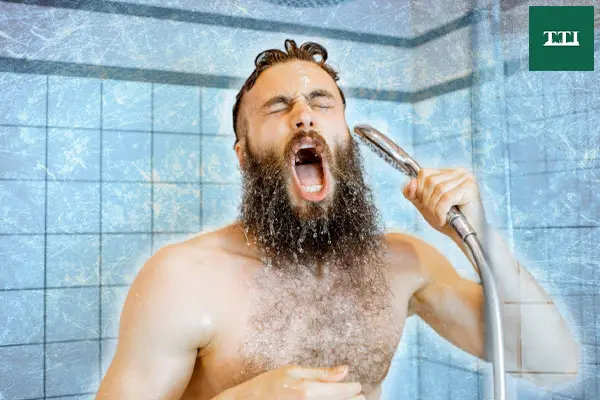
In recent years, the practice of cold-water immersion has transitioned from a niche athletic recovery technique to a mainstream wellness trend. Often referred to as “cold therapy,” the act of taking a cold shower involves exposing the body to water temperatures typically below 70°F (21°C). While the initial shock may be daunting, many health experts and recent scientific studies suggest that the physiological responses triggered by the cold can offer a range of benefits for the mind and body.
Immediate Physiological Responses to Cold Water
When cold water first hits the skin, the body undergoes a series of rapid adjustments to preserve its core temperature. This “cold shock response” includes an immediate increase in heart rate, a sudden spike in blood pressure, and a quickening of the respiratory rate. These reactions are driven by the sympathetic nervous system, which enters a “survival mode.” This state of heightened alertness is one of the most immediate effects of a cold shower, often leaving individuals feeling significantly more awake and focused than they would after a warm bath.
Effects on Blood Circulation
One of the most profound impacts of cold showers is on the circulatory system. Exposure to low temperatures causes peripheral blood vessels near the skin’s surface to constrict—a process known as vasoconstriction. This physiological shift forces blood toward the body’s core to protect vital organs and maintain heat.
Once the individual steps out of the shower and begins to warm up, the blood vessels dilate, or expand. This “pumping” action stimulates blood flow and facilitates the delivery of freshly oxygenated, nutrient-rich blood to tissues and muscles. Over time, consistent practice may improve the efficiency of the circulatory system, which is particularly beneficial for recovery and overall cardiovascular health.
Also Read: A Journey to Tranquility: The Complete Guide to the Swedish Massage Experience
Mental Health and Mood Regulation
Beyond the physical sensations, cold showers have a significant impact on brain chemistry. The cold stimulus activates the release of neurotransmitters like adrenaline, dopamine, and norepinephrine. These chemicals are closely associated with improved mood, increased mental clarity, and reduced feelings of fatigue.
Scientific observations suggest that regular cold exposure can serve as a form of “oxidative stress” that helps the body adapt to stressors over time. This process, known as hormesis, may strengthen the nervous system’s resilience. For some, this translates to better emotional regulation and a reduction in mild symptoms of depression, though experts emphasize that cold therapy should complement, not replace, professional medical treatments.
Physical Recovery and Immune Support
Athletes have long used cold immersion to mitigate the effects of intense physical exertion. By reducing inflammation and limiting swelling, cold showers can help alleviate delayed-onset muscle soreness (DOMS). While not as intensive as a full ice bath, a cold shower can still provide localized pain relief by numbing nerve endings and slowing the transmission of pain signals to the brain.
Furthermore, some research indicates a link between cold showers and immune function. The shock of the cold is believed to stimulate the production of leukocytes—white blood cells that help the body fight off infections. A notable study found that participants who incorporated cold showers into their routine were nearly 29% less likely to call in sick to work, suggesting that while the cold may not prevent illness entirely, it may help the body manage it more effectively.
Potential Risks and Health Considerations
Despite the numerous advantages, cold showers are not a universal solution and carry inherent risks. The sudden shock to the system can be dangerous for individuals with underlying health conditions. Rapid changes in heart rate and blood pressure can trigger arrhythmias or put undue stress on the heart. Those diagnosed with heart disease, uncontrolled hypertension, or respiratory disorders like asthma should consult a physician before attempting cold therapy. Additionally, individuals with Raynaud’s phenomenon or cold urticaria (hives) may experience adverse skin reactions or numbness.
Best Practices for Safe Adaptation
For those looking to reap the benefits of cold therapy, a gradual approach is highly recommended. Starting with lukewarm water and slowly lowering the temperature toward the end of a regular shower can help the body adjust. Beginners might start with just 30 to 60 seconds of cold exposure and gradually increase the duration as their tolerance builds. By listening to the body’s signals and avoiding extreme cold when feeling unwell, individuals can safely integrate this practice into a balanced wellness routine.
Also Read: How to Make the Perfect Chicken Tikka Masala at Home