


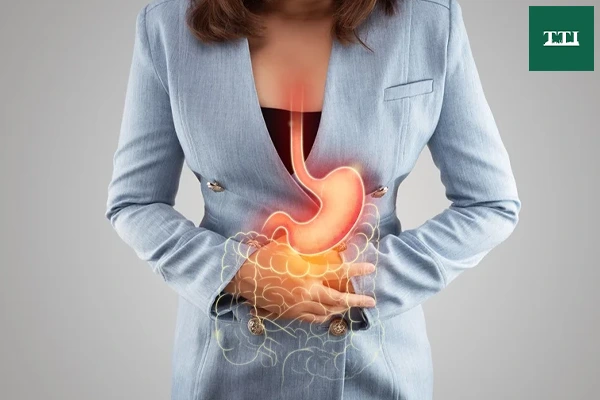
Digestive problems have emerged as some of the most frequent health complaints across all age groups, significantly impacting daily comfort and overall productivity. While many individuals dismiss occasional stomach discomfort as a minor inconvenience, health experts warn that recurring issues may signal deeper lifestyle imbalances or dietary errors. Recent insights into gut health emphasize that understanding the root causes of acidity, gas, and indigestion is the first step toward effective prevention and long-term wellness.
Understanding the Digestive System
The human digestive system is a complex network designed to break down food, absorb vital nutrients, and eliminate waste. For this system to function optimally, several factors must align, including the presence of adequate stomach acid, the efficient action of digestive enzymes, and steady gut movement. Furthermore, a balanced microbiome of gut bacteria is essential for processing food without discomfort. When any stage of this intricate process is disrupted, it manifests as the common digestive ailments we face today.
What Is Acidity?
Acidity is a condition characterized by the upward flow of excess stomach acid into the esophagus or the irritation of the stomach lining. It is most frequently identified by a burning sensation in the chest or throat, often accompanied by a sour taste in the mouth or general discomfort following a meal. While occasional acidity is a common experience, frequent episodes can lead to chronic complications if left unaddressed.
Also Read: How to Stay Healthy: A Guide to Common Respiratory Infections
Common Causes of Acidity
The prevalence of acidity is often linked to irregular eating habits, such as skipping meals or eating late at night, which disrupts the natural acid balance of the stomach. Dietary choices also play a major role; specifically, the consumption of spicy, oily, fried, and highly acidic foods can trigger excessive acid production. Additionally, overeating large meals can delay the process of stomach emptying, thereby increasing the likelihood of acid reflux. Beyond diet, lifestyle factors like high stress levels and a sedentary routine further exacerbate the problem by slowing digestion and increasing acid secretion.
Understanding Gas Formation
While gas is a natural by-product of the digestive process, excess gas can lead to significant physical distress, including bloating, abdominal fullness, and frequent belching. Identifying the source of this excess is key to finding relief.
Causes of Excess Gas
One of the most common causes of gas is the involuntary swallowing of air, which often happens when an individual eats too quickly or talks while chewing. Poor digestion also contributes, as the incomplete breakdown of food leads to fermentation within the gut. Certain food groups, such as beans, cabbage, and carbonated beverages, are notorious for increasing gas production. Finally, an imbalance in gut bacteria can disrupt the fermentation process, leading to an uncomfortable buildup of gas.
What Is Indigestion?
Indigestion, also known as dyspepsia, refers to a general sense of discomfort or pain in the upper abdomen that typically occurs during or after eating. It is important to note that indigestion is considered a symptom rather than a standalone disease. Common indicators include a feeling of heaviness, nausea, bloating, and reaching a state of “fullness” much earlier than expected during a meal.
Causes of Indigestion
Indigestion is frequently driven by poor eating patterns, such as eating too fast or consuming food too late in the evening. There is also a significant gut-brain connection; stress and anxiety can directly interfere with the digestive rhythm. Physically, low levels of digestive enzymes can hinder the body’s ability to break down food effectively. In more persistent cases, underlying medical conditions like gastritis or stomach ulcers may be the primary cause of chronic indigestion.
Why Digestive Problems Are Increasing
Health surveys indicate a sharp rise in digestive complaints, particularly among working adults. Experts attribute this trend to the modern lifestyle, which is increasingly characterized by sedentary behavior and a higher intake of processed foods. When combined with rising stress levels, these factors create a perfect storm for gastrointestinal issues.
Warning Signs That Should Not Be Ignored
While most digestive issues can be managed with lifestyle adjustments, certain “red flag” symptoms require immediate medical attention. Individuals should seek professional advice if they experience persistent abdominal pain, unexplained weight loss, frequent vomiting, or difficulty swallowing. The presence of black stools is also a critical warning sign that may indicate a more serious underlying condition.
Lifestyle Factors Affecting Digestive Health
Improving digestive health requires a holistic approach. Diet quality is paramount, as low-fiber and high-fat diets are known to slow down the system. Consistency in meal timing helps maintain a healthy digestive rhythm, while regular physical activity supports the natural movement of the gut. Furthermore, adequate sleep is necessary for regulating the hormones that govern digestion.
Preventing Acidity, Gas, and Indigestion
Prevention is often a matter of adopting better daily habits. Maintaining regular, balanced meal times and chewing food thoroughly can significantly reduce the burden on the digestive system. Staying hydrated is essential for nutrient absorption, and practicing relaxation techniques can help mitigate the impact of stress on the gut. For those who remain active, light movement after a meal—such as a short walk—can greatly aid the digestive process.
Role of Gut Health and Medical Evaluation
A thriving gut microbiome is the cornerstone of a healthy body, supporting everything from immunity to efficient digestion. When lifestyle changes are not enough to alleviate persistent or severe pain, a medical evaluation becomes necessary. Early diagnosis and a proactive approach to gut health can prevent chronic acidity and nutritional deficiencies, ensuring a higher quality of life and long-term well-being.
Also Read: Breaking the Chain: A Physician-Led Blueprint for Permanent Smoking Cessation