


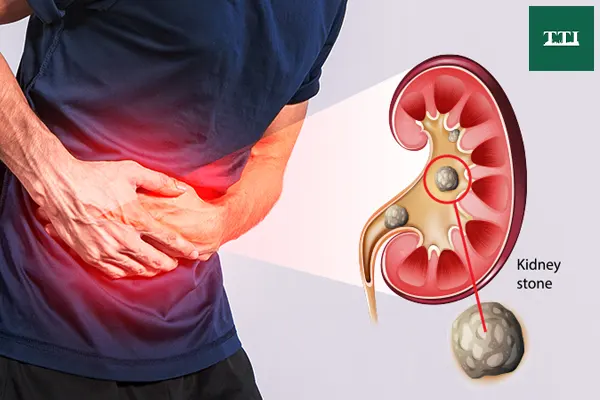
Kidney stones have become an increasingly prevalent health concern, affecting millions of individuals globally. Often described as one of the most painful medical experiences, these hard deposits form when minerals and salts in the urine—such as calcium, oxalate, uric acid, or cystine—crystallize and harden. While small stones may pass through the urinary system unnoticed, larger or moving stones can trigger severe physical distress and lead to long-term renal complications if left unaddressed.
What Are Kidney Stones?
At their core, kidney stones are solid masses that develop when urine becomes highly concentrated. This concentration allows minerals to stick together, forming “stones” that range in size from tiny grains to substantial masses. Data from the Indian Council of Medical Research (ICMR) suggests that lifestyle factors, including dietary habits and chronic dehydration, are major contributors to the rising incidence of this condition.
Why Kidney Stones Cause Symptoms
The symptoms of kidney stones typically emerge when the stones begin to move within the kidney or enter the ureter, the narrow tube connecting the kidney to the bladder. When a stone blocks the flow of urine or irritates the delicate lining of the urinary tract, the body responds with inflammation and pain. Even a microscopic stone can cause significant discomfort if it creates an obstruction, whereas a larger stone might remain “silent” as long as it stays stationary within the kidney.
Also Read: Flexibility and Telehealth: A New Standard for Employee Health
Common Kidney Stone Symptoms
Recognizing the hallmark signs of kidney stones is the first step toward effective management. The most characteristic symptom is renal colic, or severe pain. This pain is unique because it often starts suddenly and occurs in waves, typically felt in the back or side below the ribs. As the stone travels through the urinary tract, the pain may radiate toward the lower abdomen or groin.
Urinary changes are also significant indicators. Many patients experience a burning or stinging sensation during urination. Hematuria, or blood in the urine, is another common sign, often manifesting as pink, red, or brown-colored urine due to the stone scratching the urinary tract lining. Furthermore, stones positioned near the bladder can create a persistent, frequent urge to urinate, even when the bladder is not full.
Systemic responses like nausea and vomiting are frequent, triggered by the intense pain and shared nerve pathways between the kidneys and the digestive system. Additionally, if the urine appears cloudy or has a foul smell, it may indicate a secondary infection that has developed alongside the stone.
Less Obvious Kidney Stone Symptoms
Not every warning sign is dramatic. Some individuals experience “subtle” symptoms that are easily mistaken for other ailments. These include a persistent dull ache in the back, mild abdominal discomfort, or unexplained fatigue. Because these signs are less intense, they are frequently overlooked until the stone moves and the pain becomes unbearable.
Do All Kidney Stones Cause Symptoms?
It is important to note that not all stones result in immediate pain. Tiny stones may pass through the system without the individual ever realizing they were there. In other cases, stones are discovered incidentally during imaging tests for unrelated health issues. Symptoms almost always coincide with the movement of the stone or the blockage of urine flow.
Risk Factors That Increase Kidney Stone Symptoms
Several factors can predispose an individual to developing stones and experiencing these painful symptoms. Dehydration is the most significant risk, as low water intake leads to the mineral concentration required for stone formation. Diets high in salt or protein, obesity, and a family history of urolithiasis also play major roles. Additionally, environmental factors like hot climates and certain occupations that limit regular hydration can increase risk.
How Kidney Stone Pain Differs from Other Pain
Distinguishing kidney stone pain from muscular or spinal issues is vital for seeking the correct treatment. Unlike muscle strain, which might improve with rest or a change in posture, kidney stone pain is sudden, severe, and does not subside regardless of how one sits or stands. Its tendency to shift location as the stone moves is a key diagnostic clue.
When Kidney Stone Symptoms Become Dangerous
Certain symptoms signal a medical emergency. If pain is accompanied by fever and chills, it suggests a urinary tract infection combined with an obstruction, which requires immediate intervention. Other red flags include vomiting that prevents the intake of fluids, a total inability to urinate, or the presence of large blood clots in the urine.
Diagnosis and Long-Term Impact
Healthcare providers typically use a combination of urine analysis, blood tests, and imaging like ultrasound or CT scans to confirm the presence and location of stones. Ignoring these warning signs can lead to recurrent infections, permanent kidney damage, and chronic pain. Early action not only alleviates suffering but also preserves long-term renal health. By maintaining adequate hydration and seeking medical advice at the first sign of discomfort, individuals can effectively manage and prevent the recurrence of this painful condition.
Also Read: Natural Ways to Lower Your Cholesterol