


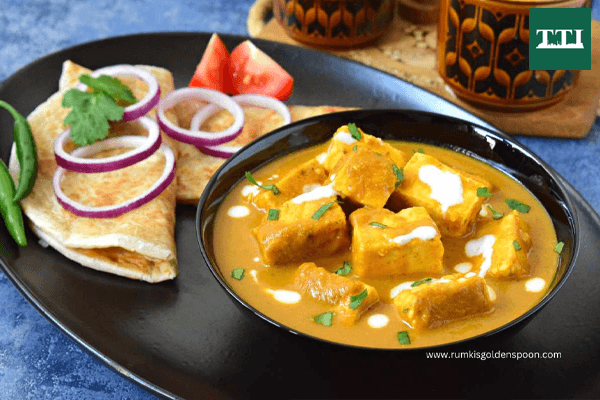
In a culinary world often defined by complex techniques and endless ingredient lists, few dishes manage to bridge the gap between luxurious restaurant dining and comforting home cooking as effectively as Paneer Butter Masala. Also known as Paneer Makhani, this iconic North Indian dish is celebrated for its rich, velvety tomato-based gravy and melt-in-the-mouth paneer cubes. The recipe provided by Indian Healthy Recipes offers a definitive guide to achieving that coveted restaurant-style quality in your own kitchen.
The Essence of Paneer Butter Masala
The soul of this dish lies in its balance. It is a curry that refuses to be defined by heat alone, opting instead for a harmonious blend of tanginess from ripe tomatoes, creaminess from cashews and butter, and a subtle sweetness that ties everything together. Unlike many other Indian gravies that rely on heavy onion bases, Paneer Butter Masala places the focus squarely on the “Makhani” (buttery) sauce. The result is a vibrant, orange-hued gravy that is smooth, aromatic, and deeply satisfying.
Also Read: A Guide to Mastering Creamy Malai Kofta at Home
Selecting the Right Ingredients
Achieving perfection starts with the selection of raw materials. The paneer itself should be fresh and soft; if using store-bought frozen paneer, soaking it in warm water for fifteen to twenty minutes before use can help restore its supple texture. For the gravy, ripe red tomatoes are non-negotiable, as they provide both the necessary tang and the natural color.
The richness of the sauce is largely attributed to cashews. When soaked and ground into a fine paste, cashews act as a natural thickener and emulsifier, creating a silkiness that cream alone cannot achieve. Spices like Kashmiri red chili powder are essential for providing a deep red glow without making the dish overly spicy. Finally, the aromatic finishing touches come from dried fenugreek leaves, known as kasuri methi, which add a distinctive earthy fragrance that is the hallmark of professional Indian cooking.
Preparing the Foundation
The process begins by preparing the base of the gravy. Onions, ginger, garlic, and cashews are sautéed until the onions become translucent and soft. The tomatoes are then added and cooked until they turn mushy, allowing their raw flavor to dissipate. Once this mixture has cooled, it is blended into a completely smooth puree. For those seeking the ultimate restaurant-style texture, the recipe recommends straining this puree through a sieve to remove any remaining tomato skin or seeds, ensuring a flawless, silky consistency.
The Art of the Sauté
The second stage of cooking involves blooming spices in a generous amount of butter. A touch of oil can be added to the butter to prevent it from burning. Whole spices like cinnamon, cloves, and cardamom are sizzled in the hot fat to release their essential oils. Then, the prepared tomato-cashew puree is returned to the pan. This is a critical stage where the masala is cooked on a medium flame until the fat begins to separate from the edges, indicating that the flavors have fully concentrated.
Final Assembly and Tempering
Once the gravy has thickened and reached the desired consistency, the paneer cubes are gently folded in. It is important not to overcook the paneer at this stage, as excessive heat can make the cheese rubbery or tough. A splash of heavy cream is swirled in to elevate the richness, followed by a pinch of sugar or honey to balance the acidity of the tomatoes.
The dish is brought to life in the final moments with the addition of kasuri methi. These leaves should be crushed between the palms of the hands just before being sprinkled over the curry, a technique that instantly releases their trapped aroma. A final garnish of fresh coriander leaves and a small knob of extra butter provides a fresh, professional finish.
Serving Suggestions for a Complete Meal
Paneer Butter Masala is traditionally served with leavened or unleavened Indian breads. The thick, creamy sauce is the perfect companion for buttery garlic naan or soft tandoori rotis, which can be used to scoop up the gravy and paneer. For those who prefer rice, it pairs beautifully with fragrant Basmati rice or a simple Jeera (cumin) rice. Whether prepared for a festive occasion or a cozy weeknight dinner, this recipe ensures that the resulting dish is as impressive as it is delicious, proving that restaurant-quality flavors are well within reach of the home cook.