


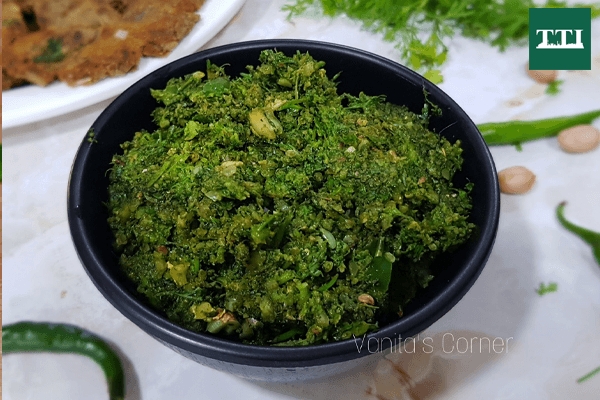
In the diverse landscape of Indian condiments, few items pack as much punch and character as the Maharashtrian Thecha. Originating from the Western region of India, specifically Maharashtra, Thecha is a fiery, rustic relish that serves as the ultimate flavor enhancer. Unlike smooth, refined chutneys, the soul of a good Thecha lies in its coarse, pounded texture and its ability to turn even the simplest meal into a bold culinary experience. Traditionally served in a typical Maharashtrian thali, it is the go-to side dish for those who crave a sharp, pungent kick alongside their grains.
Understanding the Essence of Thecha
The word “Thecha” literally translates to “crushed” or “pounded” in Marathi, which perfectly describes the preparation method. Traditionally, this condiment is made using a stone mortar and pestle, a technique that allows the natural oils of the chilies and garlic to release slowly, resulting in a depth of flavor that a modern electric blender often fails to replicate. While it is primarily known for its heat, the addition of ingredients like roasted peanuts and cumin creates a balanced profile, offering nuttiness and earthy undertones that mellow the initial sting of the chilies.
Also Read: A Culinary Masterpiece: The Rise of Homemade Keema Naan
Core Ingredients for an Authentic Flavor
To recreate this spicy delight at home, one must focus on a few high-quality pantry staples. The foundation of the dish consists of fresh green chilies—about eight medium-sized peppers like Indian, Thai, or serrano varieties. For those who prefer a slightly milder version, removing the seeds or choosing light-green, less pungent chilies is a common practice.
Garlic is the second most vital component, providing a pungent aroma and a sharp bite. About 12 grams of medium garlic cloves are typically used to balance the heat of the chilies. To add texture and a rich, nutty finish, three tablespoons of roasted unsalted peanuts are included. These peanuts are not just for flavor; they act as a textural anchor, giving the Thecha its signature crunch. Finally, cumin seeds, a pinch of salt, and a handful of fresh coriander leaves with tender stalks round out the recipe, adding herbal freshness and digestive benefits.
The Step-by-Step Preparation Process
The preparation begins with a light cooking process to mellow the raw edge of the ingredients. Start by heating a teaspoon of oil in a pan. Add the slit green chilies and whole garlic cloves, frying them on medium heat until the skin of the chilies begins to blister and develop light brown spots. This searing process is crucial as it imparts a smoky flavor to the condiment. Once the chilies and garlic are seared, add a teaspoon of cumin seeds to the pan and let them toast for about thirty seconds until they become aromatic.
After removing the pan from the heat, let the mixture cool completely. If you are using raw peanuts, ensure they are roasted separately until golden and crunchy before adding them to the mix. The next step is the most critical: the crushing. Transfer the sautéed mixture, along with the peanuts, salt, and coriander leaves, into a stone mortar. Using a pestle, pound the ingredients with a steady rhythm. The goal is to achieve a coarse, chunky consistency where you can still see bits of peanut and chili skin. If a mortar and pestle are unavailable, a food processor can be used, but only with short pulses to avoid turning the mixture into a smooth paste.
Serving and Storage Suggestions
Thecha is traditionally paired with rustic flatbreads like Bhakri (sorghum or pearl millet flatbread) or Jowar Roti. It also serves as an excellent companion to comfort foods like dal-rice, khichdi, or Pithla (a gram flour-based curry). For those looking to experiment, it can even be used as a spicy spread for sandwiches or a topping for Vada Pav.
Because it is made with seared ingredients and salt, Thecha has a decent shelf life. It can be stored in an airtight container in the refrigerator for three to four days. If you find the heat too intense immediately after preparation, adding a squeeze of lemon juice can provide a tangy balance and help preserve the vibrant green color.
Also Read: The Art of the Perfect Kulcha: A Staple of North Indian Cuisine