


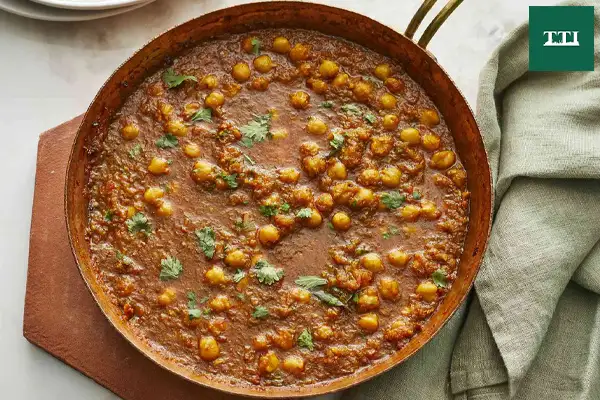
In the world of vibrant Indian cuisine, few dishes hold as much universal appeal as Chana Masala. This North Indian staple, celebrated for its robust flavors and nutritional profile, has become a global favorite for those seeking protein-packed, vegan, and gluten-free dining options. According to culinary expert, the secret to an authentic chickpea masala lies in the balance of a spiced onion-tomato gravy, known locally as “masala,” and the perfect texture of the chickpeas.
What is Chana Masala?
Chana Masala is a traditional curried dish originating from the Punjab region of India. The name itself is descriptive: “Chana” refers to white chickpeas, and “Masala” indicates the spiced gravy in which they are simmered. While it is often confused with Chole Masala, the two are distinct; Chole involves a specific blend of spices and a unique boiling process that gives it a different character. Chana Masala, by contrast, is a versatile curry found in numerous variations across the Indian subcontinent, ranging from mild and aromatic to intensely spicy.
About the Authentic Recipe
The authentic approach to this dish emphasizes fresh ingredients and a slow-simmered base. While the recipe is traditionally prepared using dried chickpeas soaked overnight, it is highly adaptable for the modern kitchen. If using pre-cooked or canned chickpeas, the dish can be completed in just 30 to 35 minutes, making it an ideal candidate for a quick weekday dinner. The process is designed as a one-pan meal where the chickpeas are introduced to a sautéed base of onions, ginger, garlic, and tomatoes, allowing them to soak up the complex flavors of the spices.
Also Read: How to Make Perfect Aloo Gobi: A Simple Step-by-Step Guide
Ingredients and Substitutes
A successful Chana Masala relies on a specific pantry of spices and fresh produce. The base requires yellow or red onions and fresh tomatoes, though canned whole peeled tomatoes can serve as a substitute. The spice profile is built on turmeric, coriander powder, cumin powder, and a high-quality garam masala. For those who prefer a vibrant red color without excessive heat, Kashmiri red chili powder is recommended.
Two specialized ingredients define the authentic North Indian flavor: Kasuri Methi (dried fenugreek leaves) and Amchur (dried mango powder). Kasuri Methi provides an earthy, hay-like aroma that is irreplaceable in this cuisine, while Amchur adds a fruity tang that balances the acidity of the tomatoes. In the absence of Amchur, a squeeze of fresh lemon juice at the end of cooking can provide a similar brightness.
How to Make Chana Masala
The preparation begins with the chickpeas. If using dried beans, they must be soaked for at least eight hours and then pressure-cooked or boiled until they are tender enough to mash easily between two fingers. The gravy starts by tempering whole spices like cinnamon, cloves, cardamoms, and bay leaves in hot oil. Once fragrant, finely chopped onions are sautéed until golden brown, followed by ginger-garlic paste and tomatoes.
After the tomatoes break down into a mushy consistency, the ground spices are added and sautéed until aromatic. An optional but recommended step for a restaurant-style finish involves blending a portion of this onion-tomato base (and a few chickpeas) into a smooth puree before returning it to the pan. Finally, the cooked chickpeas and their stock are added to the gravy and simmered for 15 minutes to allow the flavors to meld and the sauce to thicken.
Expert Tips for Perfection
To ensure the best results, home cooks are advised to check the age of their dried chickpeas. Older legumes may take significantly longer to soften; in such cases, a pinch of baking soda added during the boiling process can help achieve the desired tenderness. Another professional tip is to discard about half of the chickpea cooking stock and replace it with fresh water to avoid any lingering aftertaste from the dried legumes.
Frequently Asked Questions
Many cooks wonder if the soaking process can be bypassed. While an “instant soak” using boiling water for one hour is possible, the texture and digestibility of the chickpeas are significantly better when soaked traditionally. For those using canned chickpeas, the most important factor is ensuring they are soft before they enter the acidic tomato sauce, as the acid will prevent them from softening further during the simmering stage.
Serving and Storage
Chana Masala is best served hot alongside fluffy Basmati rice, Jeera rice, or traditional Indian breads like Naan, Roti, or Paratha. It also pairs well with sides like cucumber raita or vegetable poriyal. For meal planning, the dish stays fresh in the refrigerator for up to two days and can be frozen in glass containers for two to three months, making it as practical as it is delicious.
Also Read: Simple Guide to Smoky Restaurant-Style Tandoori Chicken at Home