


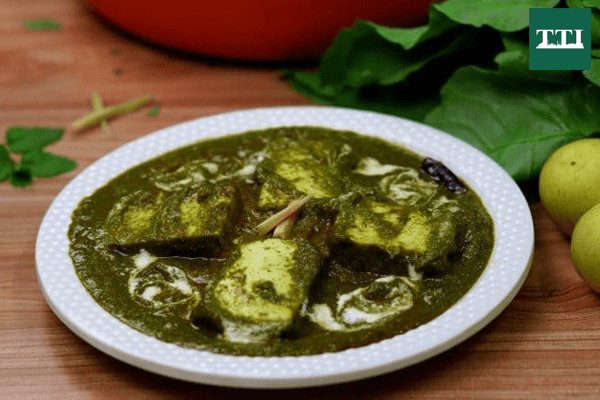
Indian cuisine has long captivated the global palate with its vibrant colors and complex spice profiles. Among the most cherished dishes is Palak Paneer, a nutritious and flavorful North Indian staple that brings together the earthy goodness of spinach with the creamy richness of paneer cheese. While many people encounter this dish in restaurants, creating an authentic version at home that maintains a bright green color and a delicate balance of spices can be a culinary triumph.
Understanding the Essence of Palak Paneer
Palak Paneer is a classic curried dish consisting of paneer, which is a firm Indian cottage cheese, simmered in a smooth, delicious spinach gravy. The name itself is descriptive, as “Palak” translates to spinach and “Paneer” refers to the cheese. While it is a ubiquitous sight on restaurant menus worldwide, home cooks often struggle to replicate the specific depth of flavor and texture found in professional kitchens.
One of the common misconceptions in global dining is the confusion between Palak Paneer and Saag Paneer. While they may appear similar, they are distinct. Palak Paneer specifically uses spinach as its green base. In contrast, Saag is a more general term referring to various leafy greens, including mustard greens, radish greens, or fenugreek. Consequently, Saag Paneer is often a blend of different greens, whereas Palak Paneer celebrates the singular flavor of spinach.
Also Read: Mastering the Art of the Punjabi Potato Samosa
Selecting and Preparing the Perfect Spinach
The foundation of a superior Palak Paneer lies in the quality of the spinach. To avoid the bitter or metallic aftertaste that sometimes plagues this dish, it is essential to use young, fresh spinach leaves. Mature spinach often contains high concentrations of oxalic acid and thick, fibrous stems that can compromise the smoothness of the gravy. If using mature spinach, it is highly recommended to discard the stalks and stems, using only the tender leaves.
A unique approach to this recipe involves sautéing the spinach instead of the conventional blanching method. By sautéing the leaves in a small amount of oil with green chilies and cashews until just wilted, the raw flavor is removed without the loss of nutrients often associated with boiling. This method also helps in retaining a vibrant green hue, provided the spinach is not overcooked. Once sautéed and cooled, the mixture is blended into a thick, smooth puree, which serves as the heart of the curry.
Crafting the Aromatic Gravy Base
The complexity of the dish is built through a layered tempering of spices and aromatics. A combination of butter and oil provides a rich base for whole spices like cinnamon, cloves, green cardamoms, and cumin seeds. These spices are fried until they sizzle and release their fragrance into the fat. Fine-chopped onions are then added and fried until they reach a golden-brown transparency, followed by ginger-garlic paste, which is sautéed until its raw aroma dissipates.
To round out the flavors, tomatoes are incorporated and cooked until they become mushy and fully integrated into the onion base. A touch of garam masala is added at this stage, providing a warm, spiced undertone without overwhelming the delicate flavor of the spinach. For those who prefer a completely smooth restaurant-style texture, the onion-tomato mixture can be blended into a paste before proceeding, though many enjoy the subtle texture of the finely chopped aromatics.
The Final Assembly and Serving Suggestions
The final stage of preparation requires careful timing to ensure the spinach remains bright and fresh. The spinach puree is added to the thickened onion-tomato gravy and cooked just until it begins to bubble. To further enhance the creaminess and cut through any lingering bitterness, crushed kasuri methi (dried fenugreek leaves) is stirred in.
The paneer—ideally high-quality or homemade for a melt-in-the-mouth texture—is added at the very end. If using store-bought frozen paneer, soaking it in hot water for fifteen to twenty minutes prior to use ensures it stays soft and succulent. While many recipes call for heavy cream, the addition of cashews during the spinach blending phase often provides enough richness that extra cream is unnecessary, though it remains a popular choice for garnishing.
This Palak Paneer is best enjoyed with traditional accompaniments. It pairs beautifully with fluffy Basmati rice, Jeera rice, or Ghee rice. For those who prefer bread, butter naan, roti, or plain parathas serve as the perfect vessel for scooping up the creamy, nutrient-dense green gravy. By following these focused techniques—selecting tender leaves, avoiding overcooking, and layering aromatics—any home cook can produce a version of this dish that rivals the finest Indian establishments.
Also Read: A Culinary Masterpiece: The Rise of Homemade Keema Naan