


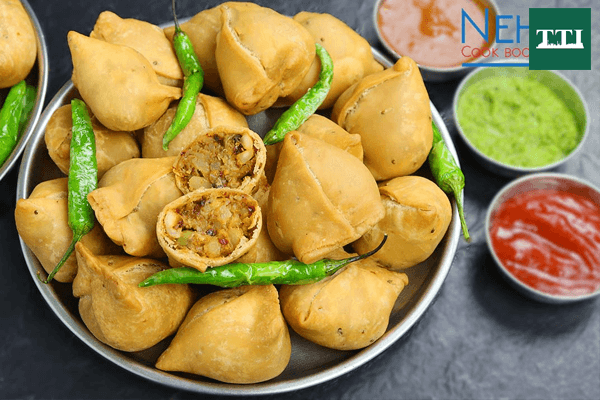
The samosa is perhaps the most iconic Indian snack, recognized globally for its distinctive triangular shape and its shatteringly crisp, flaky crust. While many variations exist across the Indian subcontinent, the Punjabi Potato Samosa remains the gold standard. This version is characterized by a robustly spiced potato and pea filling encased in a pastry that is more biscuit-like and sturdy than puff pastry. Achieving the perfect balance between a flavorful interior and a non-greasy, bubbly exterior is an art form that relies on specific techniques and ratios.
The Foundation of the Perfect Crust
The secret to a professional-grade samosa lies in the dough, specifically the ratio of fat to flour. To begin, you will need two cups of all-purpose flour, also known as maida. This is combined with three-quarters of a teaspoon of carom seeds (ajwain), which not only add a unique thyme-like aroma but also aid in digestion. A pinch of salt is added for seasoning.
The most critical step in the dough-making process is the “moyen,” or the incorporation of fat. You should use approximately one-fourth cup of oil or melted ghee. Instead of simply mixing it in, you must rub the flour and fat together between your palms for several minutes. This process coats the flour molecules, preventing excessive gluten development and ensuring the final crust is flaky rather than bread-like. You know the mixture is ready when a handful of flour holds its shape when pressed but crumbles easily when touched.
Once the fat is fully incorporated, water is added very sparingly—usually about six tablespoons. The resulting dough must be stiff and firm; a soft dough like that used for roti or naan will result in a soft, oily samosa rather than a crisp one. After kneading, the dough should rest for at least thirty minutes to allow the flour to hydrate.
Also Read: A Guide to Authentic Restaurant-Style Paneer Butter Masala at Home
Creating the Spiced Potato Filling
While the dough rests, attention turns to the heart of the samosa: the potato stuffing. For an authentic texture, potatoes should be boiled until fork-tender but not mushy. Once cooled and peeled, they are crumbled by hand rather than mashed, as small chunks of potato provide a better mouthfeel.
The flavor profile is built by heating oil in a pan and tempering whole spices. Cumin seeds are sizzled until aromatic, followed by the addition of finely chopped ginger and green chilies. Fresh or frozen green peas are then sautéed briefly before the spice powders are introduced. A classic Punjabi blend includes red chili powder, garam masala, cumin powder, and fennel powder. For those who enjoy a tangy kick, amchur (dry mango powder) or chaat masala is a vital addition. The crumbled potatoes are folded into this aromatic base and sautéed for a few minutes to allow the flavors to meld. Finishing the mixture with fresh coriander leaves adds a burst of freshness.
Assembly and Shaping Techniques
Shaping the samosa is where the iconic triangular form takes shape. The rested dough is divided into equal balls and rolled into oval-shaped discs. Each oval is then cut in half to create two semi-circles. To form the cone, one straight edge of the semi-circle is moistened with water and folded over to meet the other side, overlapping slightly to create a seal.
This cone is then filled with the prepared potato mixture, ensuring not to overstuff it, which could cause it to burst during frying. A final dab of water is applied to the circular edge, and a small pleat is often made on one side before pressing the edges together to seal the samosa shut. This pleat is what allows the samosa to “stand” upright on a plate.
The Secret to Flawless Frying
The most common mistake in making samosas is frying them at too high a temperature. If the oil is too hot, the crust will develop tiny bubbles and remain raw on the inside. For a smooth, bakery-style finish, the samosas must be added to moderately hot oil.
Once the samosas are in the pan, the flame should be kept low. They should fry slowly and undisturbed for about ten to twelve minutes. This slow-cooking process ensures the crust dries out and becomes incredibly crisp. Only toward the very end of the cooking process should the heat be increased to a medium level to achieve a deep golden-brown color.
Once removed from the oil, the samosas should be drained on paper towels. They are traditionally served hot, accompanied by a cooling mint-cilantro chutney or a sweet and tangy tamarind chutney. Whether enjoyed as a rainy-day treat or a dinner party appetizer, the homemade Punjabi samosa remains an unrivaled culinary delight.
Also Read: Mastering the Art of Authentic Palak Paneer: A Step-by-Step Guide