


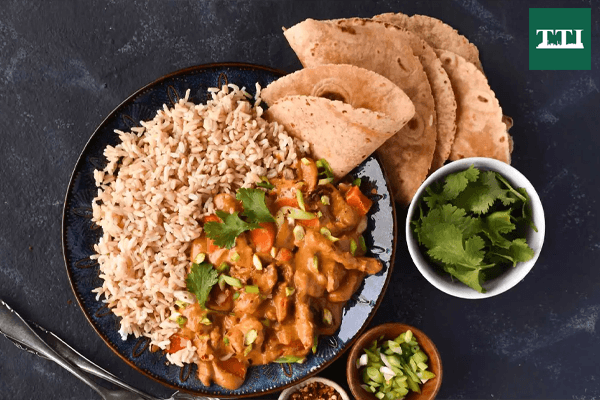
As home kitchens become hubs for culinary exploration, Vegetable Tikka Masala has established itself as a premier choice for recreating a high-end dining experience at home. This colorful and fragrant dish serves as a sophisticated plant-based version of the classic chicken recipe, demonstrating that vegetables are more than capable of supporting intense Indian spices. By pairing smoky, oven-roasted produce with a rich tomato sauce, the dish achieves a perfect balance of flavor and texture that delights both adventurous eaters and those seeking a comforting meal.
The Foundation of Flavor: Ingredients and Substitutes
The secret to a successful Vegetable Tikka Masala lies in the quality and variety of its components. A medley of fresh vegetables serves as the heart of the dish, with cauliflower, carrots, green beans, bell peppers, and button mushrooms being the preferred choices. For those looking to add a protein boost, extra-firm tofu or paneer can be easily integrated into the mix.
The sauce, or “masala,” is built upon a base of aromatics including finely chopped red onions, ginger, and garlic. The characteristic depth of the dish comes from a precise blend of ground spices: turmeric, coriander powder, cumin powder, and Kashmiri red chili powder—the latter being prized for its vibrant red hue and mild heat. To achieve the signature creamy texture, the recipe utilizes a puree made from high-quality tomatoes and a thickening agent. While traditional recipes often call for heavy cream, this version offers versatility through the use of soaked cashews or almonds blended into a smooth paste. For a vegan-friendly alternative, coconut milk serves as an excellent substitute, providing a subtle sweetness that balances the spices.
Also Read: The Art of the Perfect Kulcha: A Staple of North Indian Cuisine
Preparing the Vegetable Tikka
The first phase of the culinary process involves transforming raw vegetables into “tikkas”—pieces that are marinated and roasted until they develop charred edges and a smoky aroma. The marinade is a simple yet potent mixture of oil or melted ghee, ginger-garlic paste, and a selection of spices including garam masala and chili powder.
Each vegetable is tossed in this aromatic oil until well-coated. This step is crucial as it ensures the flavors penetrate deep into the produce rather than just sitting on the surface. For those including paneer or tofu, a touch of lemon juice or yogurt in the marinade can help the spices adhere better to the smooth surfaces of these proteins.
The Roasting Process: Oven or Pan
To achieve the authentic “tandoori” style finish, roasting the vegetables is essential. The most efficient method involves preheating an oven to 220°C (425°F). Vegetables like cauliflower and mushrooms, which have higher moisture content, are typically placed on a baking tray and roasted for about 20 minutes. Harder vegetables like carrots and beans, along with bell peppers and layered onions, are added to the tray to ensure everything reaches the perfect level of tenderness simultaneously.
Alternatively, for those without an oven, the “tikka” can be prepared on a stovetop. By using a wide, hot griddle with a small amount of ghee, the marinated vegetables can be pan-fried until the marinade dries and golden-brown spots appear. This stovetop method requires more attention but delivers a similarly charred and delicious result.
Crafting the Tikka Masala Sauce
While the vegetables roast, attention shifts to the stovetop to create the soul of the dish: the masala sauce. The process begins by sautéing onions in ghee or oil with a pinch of salt until they reach a deep golden brown. This caramelization is vital for the sweetness and color of the final gravy. Once the onions are ready, ginger-garlic paste is added and sautéed until fragrant.
The ground spices are سپس introduced to the pan, followed quickly by the tomato puree to prevent the spices from burning. This mixture is cooked until the tomatoes become mushy and the oil begins to separate from the masala. At this point, the nut paste (cashews or almonds) is blended with water and stirred into the pan, instantly transforming the sharp tomato base into a silky, orange-hued sauce.
Final Assembly and Finishing Touches
The final stage of the recipe is where the roasted vegetables and the rich sauce unite. The charred “tikkas” are folded into the simmering gravy, allowing them to soak up the liquid gold for a few minutes. If the sauce appears too thick, a small amount of water can be added to reach the desired consistency.
To elevate the dish to professional standards, a few finishing touches are applied. A teaspoon of sugar or jaggery is often added to balance the acidity of the tomatoes, and a tablespoon of kasuri methi (dried fenugreek leaves) is crushed between the palms and sprinkled over the top to provide an unmistakable earthy aroma. A final swirl of heavy cream or a garnish of fresh coriander leaves completes the presentation, making the Vegetable Tikka Masala ready to be served alongside fluffy basmati rice or warm, buttery naan.