


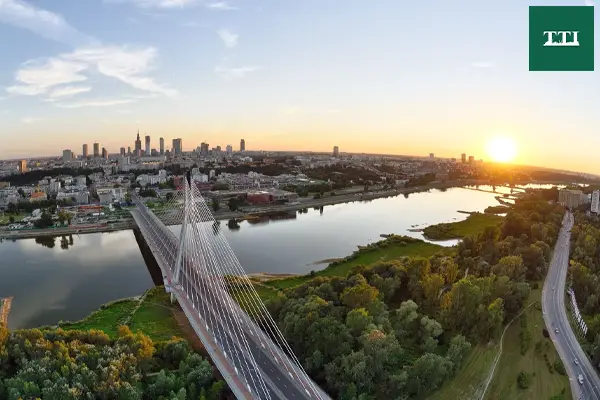
Surat, a glittering metropolis situated on the banks of the Tapi River in Gujarat, is a city that defies simple categorization. Known globally as the “Diamond City” for its massive gemstone cutting and polishing industry, and locally as the “Textile Hub of India,” it serves as a testament to the country’s entrepreneurial spirit. However, beyond the industrial smog and the bustling trade markets lies a city rich in history, colonial heritage, and a culinary scene that is arguably the most vibrant in Western India. Navigating this fast-paced city requires a blend of planning and spontaneity.
Planning Your Journey
The character of Surat is deeply seasonal, making your timing crucial. The period between October and March is undoubtedly the most comfortable time to visit. During these months, the blistering heat of the Gujarati plains subsides, giving way to cool breezes that make walking through the old city gates a pleasant experience. If you happen to visit in January, you will witness the skyline transformed by thousands of kites during the Uttarayan festival, a spectacle of color and competitive spirit.
Transportation within Surat has seen a modern overhaul. While the iconic auto-rickshaws remain the pulse of the city’s movement, the Bus Rapid Transit System (BRTS) provides a remarkably efficient and clean way to traverse long distances. For a more personalized experience, app-based ride-sharing services are ubiquitous and reliable. When packing, prioritize light cotton clothing to combat the humidity, but keep a modest shawl or scarf handy, as many of the city’s historical and religious sites require respectful attire.
Also Read: Navigating the Cultural Capital: The Ultimate Pune Travel Guide
Surat Castle (Old Fort)
To understand Surat, one must start at its origins. The Surat Castle, standing tall near the Hope Bridge, was constructed in the 16th century by Khudawand Khan. Originally designed to defend the city against the persistent threat of Portuguese raids, the fortress has undergone extensive restoration to reclaim its former glory. As you walk through the heavy iron-studded gates, you are transported to an era where Surat was the most important port in the Mughal Empire. The ramparts provide a sweeping view of the Tapi River, offering a moment of quiet reflection amidst the city’s modern chaos.
Dumas Beach
A short drive toward the coast leads you to the enigmatic Dumas Beach. Famous for its unique black sand, this destination carries a dual reputation. By day, it is a festive atmosphere where families gather for camel rides and the air is thick with the aroma of “Lashkari Bhajiya,” a local spicy fritter that is a mandatory snack for any visitor. However, as the sun dips below the horizon, the beach takes on a more mysterious aura. Local folklore suggests the beach is haunted, a claim that stems from its history as a burial ground. Whether you believe the legends or not, the transition from a sun-drenched playground to a silent, moonlit expanse is a quintessential Surti experience.
Dutch Garden and Cemeteries
The colonial history of Surat is perhaps most visible in the Dutch Garden and the adjacent cemeteries. Unlike the manicured parks found elsewhere, this site is a somber and beautiful reminder of the European traders who once called Surat home. The mausoleums of Dutch and English officials are architectural marvels, blending Gothic styles with local Islamic influences. The massive, ornate tombs—some resembling small palaces—tell the story of the Dutch East India Company’s influence in the region during the 17th and 18th centuries. It is a peaceful enclave that offers a stark contrast to the nearby textile markets.
Gopi Talav
In recent years, Gopi Talav has been transformed from a neglected historical tank into a premier urban recreation space. Originally built by Malik Gopi, an affluent merchant and governor of Surat in the 1500s, the lake is now the heart of the city’s social life. The area is divided into various zones, including a history zone, a performance zone, and a food zone. It is the perfect place to witness the local lifestyle, as residents flock here in the evenings to enjoy the musical fountains or take a leisurely boat ride across the water.
Jagdishchandra Bose Aquarium
For those traveling with family or those interested in marine biodiversity, the Jagdishchandra Bose Aquarium is a must-see. It is one of the first of its kind in India, featuring a multidisciplinary approach to aquatic life. The highlight of the facility is the underwater tunnel, which offers a 360-degree view of sharks and rays swimming overhead. The aquarium is meticulously maintained and provides an educational deep dive into both fresh-water and marine ecosystems, making it a refreshing break from the outdoor heat.
Sneh Rashmi Botanical Garden
Located on the banks of the Tapi, the Sneh Rashmi Botanical Garden is a lush sanctuary that showcases the city’s commitment to green spaces. It houses a vast collection of exotic plants, medicinal herbs, and a stunning cactus house. Beyond the flora, the garden is a hub for activity, featuring a toy train that circumnavigates the park and a hot air balloon that provides the most impressive aerial view of Surat’s expanding skyline. It is a popular spot for photography and a favorite for those seeking a slow-paced morning in nature.
Surat is a city that demands to be tasted and felt rather than just “seen.” From the historical echoes of the Old Fort to the modern marvels of its aquariums and gardens, it offers a layered experience. It is a place where tradition and trade walk hand-in-hand, inviting every traveler to discover the brilliance beneath its industrial exterior.
Also Read: 8 Hydrating Setting Sprays for a Natural, Skin-Like Finish