


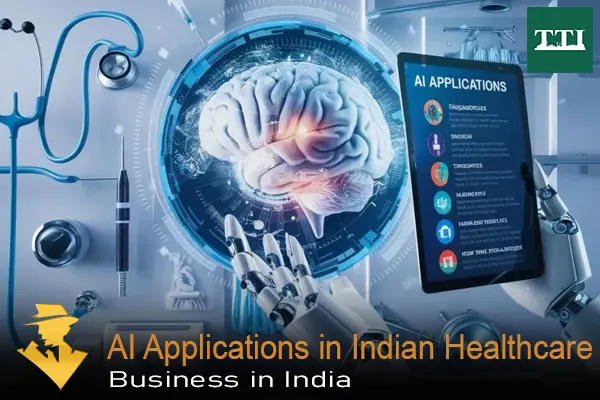
Artificial Intelligence (AI) is transforming healthcare worldwide, and India is no exception. With its vast population, growing disease burden, and uneven distribution of healthcare resources, India faces significant challenges in delivering timely and quality healthcare. AI offers innovative solutions to these challenges by enabling faster diagnostics, personalized treatment plans, predictive analytics, and efficient hospital management. From early disease detection to streamlining administrative processes, AI applications are redefining the healthcare landscape in India. This article explores how AI is being applied in Indian healthcare, its benefits, challenges, ethical considerations, and future prospects.

The Need for AI in Indian Healthcare
India’s healthcare system faces multiple constraints. There is a shortage of trained medical professionals, with only around 1 doctor per 1,500 people, below the WHO-recommended ratio. Rural areas are particularly underserved, with limited access to specialists and diagnostic facilities. Additionally, the prevalence of chronic diseases like diabetes, cardiovascular diseases, and cancer is rising, creating a demand for early detection and long-term management.
Healthcare delivery is further complicated by administrative inefficiencies, fragmented medical records, and resource limitations in both public and private sectors. AI can address these challenges by automating processes, analyzing large datasets, and assisting doctors in decision-making, thereby improving patient outcomes and operational efficiency.

AI Applications in Diagnostics
One of the most impactful applications of AI in healthcare is diagnostics. AI-powered tools can analyze medical images, laboratory reports, and genetic data to detect diseases accurately and at an early stage.
Radiology and Imaging
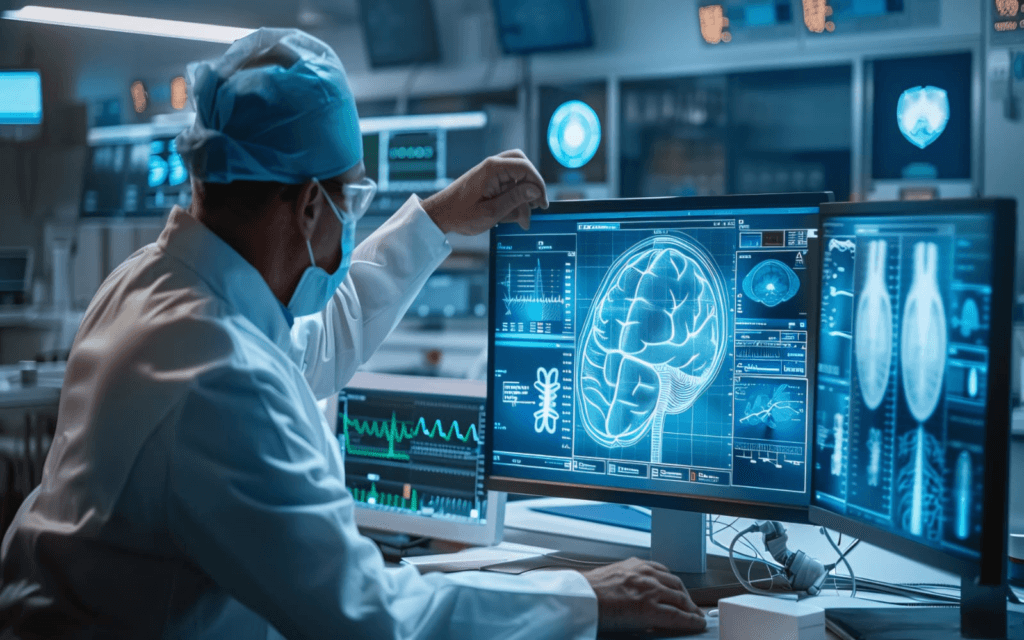
AI algorithms can process X-rays, CT scans, and MRIs to detect abnormalities such as tumors, fractures, or infections. For example, AI-enabled imaging tools can identify tuberculosis in chest X-rays, a critical requirement in India due to its high TB prevalence. By assisting radiologists in analyzing large volumes of scans, AI reduces diagnostic errors and accelerates treatment initiation.
Pathology and Laboratory Tests
AI can automate and enhance the interpretation of pathology slides and lab reports. Algorithms can identify cancerous cells, classify tissue samples, and predict disease progression. This is particularly useful in areas with limited access to pathologists, ensuring accurate and timely diagnosis for patients across urban and rural India.
Predictive Analytics for Disease Detection
AI models can analyze patient histories, genetic data, and lifestyle patterns to predict susceptibility to diseases such as diabetes, hypertension, or cardiovascular conditions. By identifying high-risk individuals early, AI enables preventive interventions, reducing long-term healthcare costs and improving quality of life.
AI in Treatment and Patient Care
AI also plays a critical role in treatment planning and personalized medicine.
Personalized Treatment Plans
Machine learning algorithms can analyze a patient’s medical history, genetic profile, and treatment outcomes to suggest personalized therapy options. This approach ensures that treatments are tailored to the individual, improving efficacy and minimizing side effects. For instance, AI-assisted oncology platforms can recommend optimal chemotherapy regimens based on tumor genetics.
Virtual Health Assistants
AI-powered chatbots and virtual assistants provide patients with health advice, medication reminders, and symptom monitoring. These tools are particularly valuable in rural areas where access to healthcare professionals is limited. Virtual assistants can guide patients on when to seek medical attention, improving disease management and reducing hospital visits.
Remote Monitoring and Telemedicine
AI-enabled devices can monitor patients’ vital signs in real-time, detecting anomalies and alerting healthcare providers promptly. Wearable devices, combined with AI analytics, support chronic disease management and post-operative care. Telemedicine platforms powered by AI facilitate remote consultations, bridging the gap between urban specialists and rural patients.
AI in Hospital Management and Operations
Beyond clinical applications, AI improves hospital management and operational efficiency.
Resource Optimization
AI algorithms can forecast patient inflow, optimize staff schedules, and manage inventory of medicines and equipment. Efficient resource allocation reduces operational costs, improves patient care, and prevents shortages in critical areas.
Predictive Maintenance
Hospitals rely on sophisticated equipment such as MRI machines, ventilators, and dialysis units. AI-powered predictive maintenance systems monitor equipment performance, anticipate failures, and schedule maintenance, reducing downtime and ensuring uninterrupted patient care.
Administrative Automation
AI automates routine administrative tasks, such as appointment scheduling, billing, and medical record management. By reducing manual workload, healthcare professionals can focus on patient care, increasing efficiency and reducing errors.
AI in Drug Discovery and Research
AI is accelerating drug discovery and development in India, which traditionally is a time-consuming and expensive process.
Identifying Drug Candidates
Machine learning models analyze vast datasets of molecular structures, clinical trials, and genetic information to identify potential drug candidates. This speeds up the discovery process and reduces costs.
Predicting Clinical Trial Outcomes
AI can simulate clinical trials, predict drug efficacy, and identify adverse effects before human testing. This reduces trial failures, shortens time-to-market, and ensures safer medications.
Personalized Medicine Research
AI supports research in pharmacogenomics, identifying how genetic variations influence drug response. This enables the development of personalized drugs tailored to individual patients, improving treatment outcomes.
Benefits of AI in Indian Healthcare
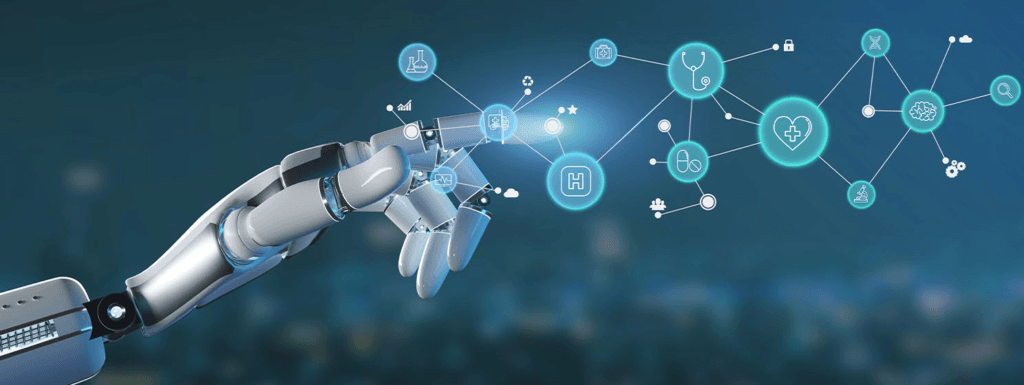
The integration of AI into healthcare offers multiple advantages:
- Improved Accuracy: AI reduces diagnostic errors and supports informed clinical decisions.
- Enhanced Efficiency: Automation of routine tasks accelerates service delivery and reduces workload.
- Cost Reduction: Early detection, preventive care, and optimized operations lower healthcare expenses.
- Accessibility: AI-driven telemedicine and virtual assistants expand healthcare access to rural and underserved areas.
- Innovation: AI promotes personalized medicine, precision treatments, and advanced research.
Challenges and Ethical Considerations
Despite its potential, AI adoption in Indian healthcare faces challenges:
Data Privacy and Security
AI systems require access to large volumes of patient data. Ensuring data privacy, protection, and compliance with regulations like the Personal Data Protection Bill is critical.
Limited Infrastructure
Many healthcare facilities, especially in rural areas, lack digital infrastructure, reliable internet connectivity, and trained personnel to implement AI solutions effectively.
Regulatory Framework
AI applications in diagnostics, treatment, and clinical research must comply with strict regulatory standards. Developing clear guidelines for AI adoption is essential to maintain safety and efficacy.
Ethical Concerns
Decisions made by AI algorithms, particularly in life-critical scenarios, raise ethical questions. Transparency, accountability, and human oversight are necessary to prevent biases and ensure patient trust.
Cost of Implementation
High initial costs for AI tools, software, and training may limit adoption, particularly in smaller hospitals and clinics.
Future Prospects
AI in Indian healthcare has immense potential to revolutionize the sector. With increasing digital adoption, government initiatives such as Digital India and National Health Stack, and investments in health tech startups, AI is likely to play a central role in achieving universal health coverage. Innovations in AI-driven diagnostics, telemedicine, predictive analytics, and personalized medicine will continue to expand access, reduce costs, and improve patient outcomes. Collaborative efforts among government, private sector, and academia will be key to building a sustainable AI-powered healthcare ecosystem in India.
Conclusion
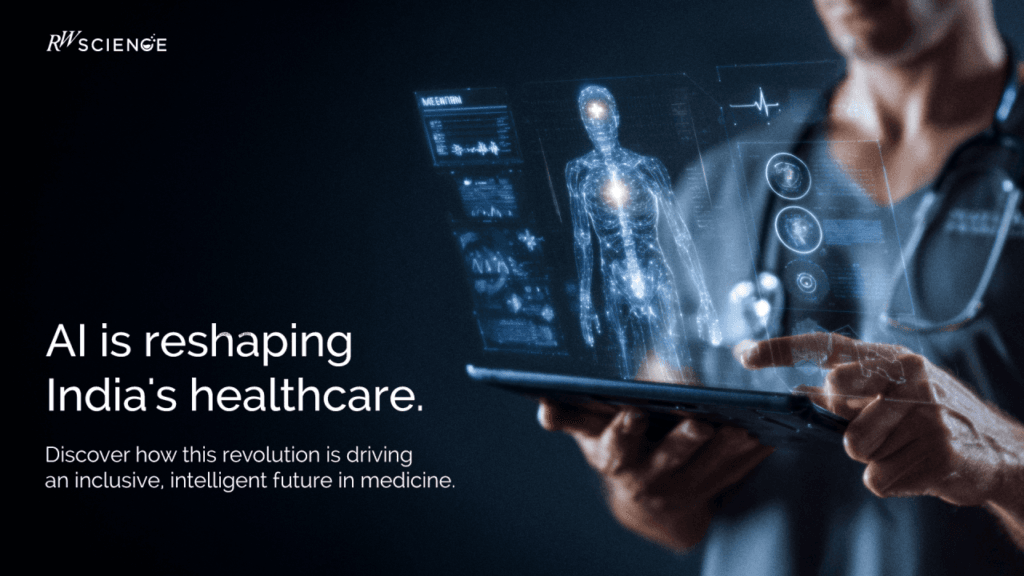
Artificial Intelligence is redefining healthcare delivery in India by improving diagnostics, personalizing treatments, enabling remote monitoring, and optimizing hospital operations. AI applications not only enhance efficiency and accuracy but also expand access to quality healthcare, especially in rural and underserved regions. Despite challenges such as data privacy, regulatory concerns, and infrastructure limitations, AI holds the promise of transforming India’s healthcare landscape. Strategic adoption, ethical oversight, and investment in digital infrastructure will be crucial to harness AI’s full potential and achieve a healthier, more equitable future for all Indians.
FAQs
- How is AI improving diagnostics in Indian healthcare?
AI analyzes medical images, lab reports, and genetic data to detect diseases accurately and at an early stage, reducing diagnostic errors. - What role does AI play in patient care?
AI supports personalized treatment plans, virtual health assistants, remote monitoring, and telemedicine, improving accessibility and outcomes. - What are the challenges of implementing AI in Indian healthcare?
Challenges include data privacy, limited infrastructure, regulatory compliance, ethical concerns, and high implementation costs. - How is AI used in drug discovery?
AI identifies potential drug candidates, predicts clinical trial outcomes, and supports personalized medicine research, accelerating development and reducing costs.
Next Topic: Supply Chain Challenges in Indian Manufacturing
Also Check: Role of NBFCs in India’s Financial Ecosystem