


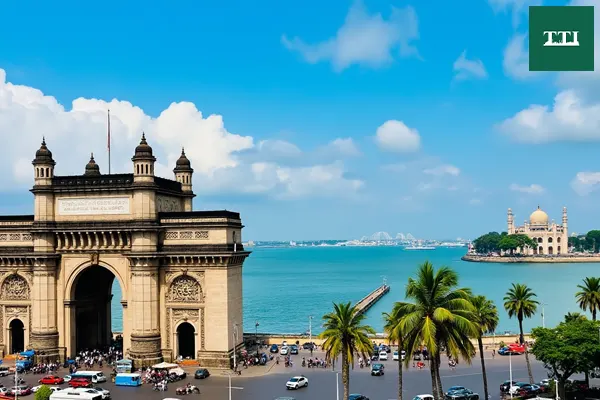
Mumbai, formerly known as Bombay, is a city that never sleeps and rarely slows down. As the financial capital of India and the heart of the Bollywood film industry, it offers a dizzying blend of colonial-era grandeur, sprawling slums, ultra-modern skyscrapers, and ancient spiritual sites. Navigating this metropolis requires a mix of patience, curiosity, and a bit of local know-how. To truly experience the magic of Mumbai in 2026, one must embrace the chaos while staying mindful of the unique etiquette and logistical quirks that define the city.
The first rule of Mumbai travel is mastering the climate. The city is tropical and humid year-round, but the period between November and February provides the most pleasant weather for exploration. If you visit during the monsoon season from June to September, be prepared for dramatic downpours that can occasionally bring the city’s transport systems to a halt. Regardless of when you visit, hydration is paramount. Travelers should strictly consume bottled mineral water and avoid ice in drinks at smaller street stalls to ensure their health remains a priority throughout the trip.
Transportation in Mumbai is an adventure in itself. The local train network is the city’s lifeline, moving millions of people daily. While it is the fastest way to travel long distances, it is best avoided during peak morning and evening hours unless you are prepared for an intense, crowded experience. For a more private journey, the iconic black-and-yellow “Kaali-Peeli” taxis are ubiquitous in South Mumbai and operate on a strict meter system. In the northern suburbs, auto-rickshaws become the primary mode of transport, offering a breezy and agile way to weave through the legendary Mumbai traffic.
Also Read: Revolutionizing Personal Finance: The Vital Role of the Committee for Qualified Financial Advisors
The Gateway of India and Colaba
A journey through Mumbai usually begins at the Gateway of India. This basalt arch, built to commemorate the visit of King George V, stands as a silent sentinel over the Arabian Sea. It is best visited in the early morning when the air is cool and the crowds are thin. Just behind the gateway sits the Taj Mahal Palace Hotel, an architectural marvel that is worth a visit for a high tea session even if you aren’t staying there. A short walk away lies Colaba Causeway, a sensory-overload market where bargaining is an art form. Here, travelers can find everything from vintage brass compasses to trendy high-street fashion, provided they are willing to negotiate firmly with the local vendors.
Spiritual Landmarks: Haji Ali and Elephanta
Mumbai’s spiritual side is as diverse as its population. The Haji Ali Dargah, a stunning white mosque and tomb, appears to float on the water off the coast of Worli. It is connected to the mainland by a narrow causeway that is only accessible during low tide. Planning a visit here requires checking the local tide charts, as the path disappears entirely under the waves during high tide. For those interested in ancient history, a ferry from the Gateway of India leads to the Elephanta Caves. These UNESCO-listed rock-cut temples date back to the 5th century and feature massive carvings of Lord Shiva. Visitors should wear sturdy walking shoes and keep a firm grip on their belongings, as the local macaque monkeys are famously bold.
The Coastal Charm of Marine Drive and Juhu
No trip to Mumbai is complete without a stroll along Marine Drive. Known as the Queen’s Necklace because of the way the streetlights curve along the bay at night, it is the city’s favorite spot for reflection. Locals gather here at sunset to feel the sea breeze and escape the cramped quarters of the city. Further north, Juhu Beach offers a different kind of coastal experience. While not suitable for swimming, the beach is the best place to sample Mumbai’s legendary street food, such as Pav Bhaji or Bhelpuri. When eating here, look for stalls with high turnover to ensure the food is freshly prepared.
The Architecture of History at CSMT
Architecture enthusiasts must visit the Chhatrapati Shivaji Maharaj Terminus (CSMT). This functioning railway station is a masterpiece of Victorian Gothic Revival architecture, adorned with intricate stone carvings of peacocks, lions, and gargoyles. It serves as a reminder of the city’s colonial past while functioning as the beating heart of its modern transit. Standing across from the Municipal Corporation building, the station is particularly breathtaking at night when it is illuminated in vibrant colors.
Mumbai is a city of extremes that can be overwhelming for the uninitiated. However, by dressing modestly at religious sites, keeping small change for transport, and approaching the local bustle with a sense of humor, you will find that the “City of Dreams” is one of the most welcoming places in the world.
Also Read: The Soul of India: A Comprehensive Guide to Navigating Delhi