


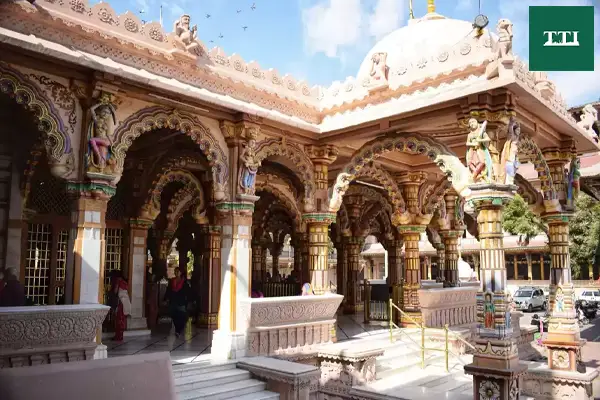
Ahmedabad, the largest city in the state of Gujarat, stands as a fascinating bridge between two eras. On one side of the Sabarmati River lies the ancient “Pol” system of the walled city—a maze of narrow alleys and wooden havelis that earned the city its UNESCO World Heritage status. On the other side, a sprawling modern metropolis of concrete, glass, and wide avenues reflects India’s rapid industrial growth. For the traveler, Ahmedabad offers a sensory overload of intricate architecture, spiritual stillness, and some of the world’s most celebrated street food.
The Spiritual Heart: Sabarmati Ashram
No journey to Ahmedabad is complete without a pilgrimage to the Sabarmati Ashram. Located on a quiet stretch of the riverbank, this was the home of Mahatma Gandhi for many years and served as the nerve center of the Indian independence movement. Today, the ashram is a place of profound silence and reflection. Visitors can walk through “Hridaya Kunj,” the cottage where Gandhi lived, and view his spinning wheel and personal effects. To get the most out of this visit, aim to arrive shortly after it opens at 8:30 AM. The morning light filtering through the trees, combined with the lack of crowds, allows you to truly feel the “experiments with truth” that took place within these simple white walls.
Also Read: Navigating the City of Pearls: A Comprehensive Guide to Hyderabad
Architectural Wonders: Adalaj Stepwell and Sidi Saiyyed
The architectural landscape of the city is dominated by the unique Indo-Islamic style, which blends Hindu craftsmanship with Islamic motifs. The Adalaj Stepwell, located a short drive from the city center, is a masterpiece of utilitarian art. This five-story deep subterranean structure was built not just to store water, but as a cool refuge for travelers and caravans. As you descend the stairs, the temperature drops significantly, providing a natural respite from the Gujarati sun. The carvings of floral patterns and deities are remarkably preserved, telling stories of a 15th-century queen’s devotion.
In the heart of the bustling city traffic, the Sidi Saiyyed Mosque offers a smaller but equally impactful experience. It is world-renowned for its ten stone-latticed windows, particularly the “Tree of Life” motif. The level of detail in these carvings is so fine that the stone appears to mimic the delicate branches of a tree. Because the mosque is still an active place of worship and located on a busy corner, travelers should visit in the late afternoon. This is when the sun hits the rear of the mosque, illuminating the intricate Jali work from behind and creating a golden silhouette that is perfect for photography.
Recreation and Evening Life: Kankaria Lake
As the sun begins to set, the locals head to Kankaria Lake. This massive polygonal reservoir is the city’s primary recreational hub. Unlike the quiet history of the ashrams, Kankaria is vibrant and loud. It is surrounded by a lakefront developed with parks, a zoo, a toy train, and even a tethered hot-air balloon. For a traveler, it is the best place to observe the local lifestyle. Families gather here to walk along the promenade and enjoy the carnival-like atmosphere. It is particularly refreshing in the evenings when the fountain shows begin and the breeze off the water cools the city.
Culinary Adventures: Manek Chowk
As night falls, the true spirit of Ahmedabad moves to Manek Chowk. By day, this is a bustling bullion market where millions of dollars in gold and silver are traded. However, after 9:00 PM, the jewelry shops shutter their gates, and dozens of food stalls take over the square in a matter of minutes. This is perhaps the most famous night market in India. The air fills with the smell of melting butter and spices. The culinary style here is unique; you will find the “Gwalior Dosa,” heavy with butter, and the famous Pineapple Sandwich, which features layers of fruit, cheese, and jam. It is crowded, chaotic, and delicious, representing the city’s deep-rooted love for food and commerce.
Navigating the City
Traveling through Ahmedabad requires a bit of logistical planning. The weather is a primary factor; the heat can be punishing from April to June, often exceeding 40°C. Therefore, the winter months between October and March are the golden window for tourism. To get around, the local auto-rickshaws are the most flexible option, but travelers should use ride-hailing apps like Uber or Ola to ensure fair pricing and avoid the “tourist tax” often applied to foreigners.
Culturally, Gujarat is a conservative state. While the people are incredibly hospitable, it is important to dress modestly, especially when entering mosques or temples. It is also essential to remember that Gujarat is a “dry state,” meaning alcohol is not sold in stores or restaurants. While tourists can apply for a temporary liquor permit at specific hotels, the city’s “high” comes from its sweet masala chai and the intoxicating energy of its street life rather than spirits.
Ahmedabad is not a city to be rushed. It is a place that rewards the patient traveler who is willing to wake up early for a heritage walk through the Old City and stay up late for a feast at Manek Chowk. It is a city that teaches you how the past can live comfortably alongside the future.
Also Read: Coastal Charms and Cultural Treasures: A Comprehensive Guide to Visiting Chennai