


Pune, often referred to as the “Oxford of the East” and the “Cultural Capital of Maharashtra,” is a city that wears its history on its sleeve while embracing a high-octane modern lifestyle. Nestled at the confluence of the Mutha and Mula rivers, it offers a refreshing alternative to the frantic pace of neighboring Mumbai. To truly experience Pune, one must navigate its narrow historical “Peths,” indulge in its spicy street food, and retreat into the misty Sahyadri hills that guard its borders.
Essential Travel Tips for the Modern Explorer
Before diving into the historical landmarks, it is vital to understand the rhythm of the city. The best time to visit is undoubtedly between October and March, when the air is crisp and the city’s many gardens are in full bloom. While Pune is increasingly metropolitan, it retains a traditional soul. When visiting religious sites, modest attire is appreciated, and it is customary to remove your footwear.
Navigating Pune can be an adventure in itself. While the new Pune Metro is expanding rapidly, the most authentic way to travel short distances is via auto-rickshaw. However, always insist on the meter or use ride-hailing apps to ensure a fair price. For the food-obsessed traveler, Pune is a paradise. You haven’t truly visited the city until you’ve queued up for a “Chitale Bandhu” Bakarwadi or enjoyed a spicy Misal Pav at a local eatery. Remember that the city still observes a traditional mid-afternoon siesta; many smaller shops and local restaurants close between 1:00 PM and 4:00 PM, so plan your shopping and snacking accordingly.
Also Read: Coastal Charms and Cultural Treasures: A Comprehensive Guide to Visiting Chennai
Shaniwar Wada: The Heart of the Maratha Empire
The journey through Pune’s history begins at Shaniwar Wada, the 18th-century fortification that served as the seat of the Peshwas. Though much of the internal palace was destroyed by a fire in 1828, the massive stone walls and the imposing Delhi Darwaza remain as silent witnesses to the city’s former glory. As you walk through the manicured gardens, you can almost hear the echoes of royal court proceedings. It is highly recommended to visit in the late afternoon so you can stay for the evening Light and Sound Show, which dramatically narrates the rise and fall of the Maratha Empire under the stars.
Aga Khan Palace: A Sanctuary of Peace
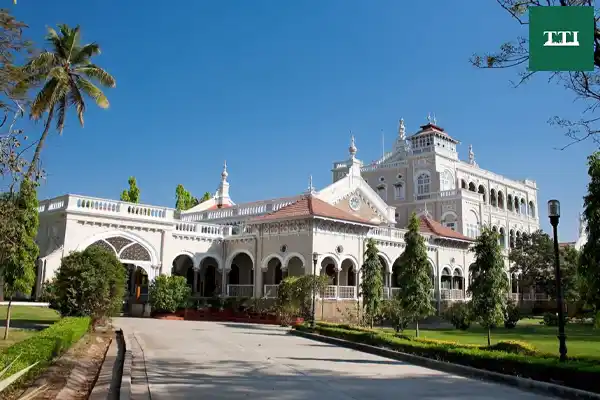
In stark contrast to the martial history of the Wada, the Aga Khan Palace offers a serene look into India’s freedom struggle. Built in 1892 by Sultan Muhammed Shah Aga Khan III, the palace is an architectural marvel featuring elegant Italian arches and sprawling green lawns. Its historical weight, however, comes from its role as a prison for Mahatma Gandhi and Kasturba Gandhi during the Quit India Movement. Today, it serves as a moving memorial. The quiet halls, which house personal belongings and photographs of the Gandhis, provide a meditative space away from the city’s traffic.
Sinhagad Fort: The Lion’s Bastion
For those willing to venture 30 kilometers outside the city center, Sinhagad Fort offers a blend of trekking and history. Perched on a steep hill in the Sahyadri Mountains, the “Lion’s Fort” was the site of many pivotal battles, most notably the 1670 raid led by Tanaji Malusare. The climb to the top is a favorite weekend activity for locals. Once you reach the summit, the reward is two-fold: a breathtaking panoramic view of the surrounding valleys and a taste of authentic Maharashtrian rural cuisine. Vendors at the top serve Pithla Bhakri (gram flour curry with flatbread) and fresh curd set in earthen pots, which tastes best when eaten while sitting on the ancient stone ramparts.
Dagdusheth Halwai Ganpati Temple: A Spiritual Landmark
Back in the bustling city center stands the Dagdusheth Halwai Ganpati Temple, one of the most revered shrines in India. Unlike many ancient temples tucked away in quiet corners, this temple is part of the city’s vibrant street life, with its golden idol visible even from the road. The atmosphere here is electric, especially during the ten-day Ganeshotsav festival. Even on regular days, the devotion of the crowds and the scent of fresh marigolds and incense provide a sensory immersion into Pune’s spiritual heart.
Raja Dinkar Kelkar Museum: A One-Man Legacy
No trip to Pune is complete without a visit to the Raja Dinkar Kelkar Museum. This is not your typical state-run institution; it is a massive collection of over 20,000 artifacts painstakingly gathered by a single man, Dr. D.G. Kelkar. The museum houses everything from intricate musical instruments and traditional lamps to the stunningly reconstructed Mastani Mahal. It offers a rare, intimate look at the everyday aesthetics of Indian life across centuries, showcasing the craftsmanship that defined the Deccan region.
Osho International Meditation Resort: Modern Tranquility
Finally, for a complete change of pace, the Koregaon Park area houses the Osho International Meditation Resort. Known for its lush greenery and unique black-robe meditations, it attracts seekers from across the globe. While the resort itself has specific entry requirements and orientations, the neighboring Osho Teerth Park is open to the public. It is a beautiful example of environmental restoration, having been transformed from a wasteland into a Zen-like garden. It is the perfect place to reflect on your journey through Pune before heading back into the city’s lively nightlife.
Also Read: The Ultimate Guide to Exploring Surat: India’s Diamond City