


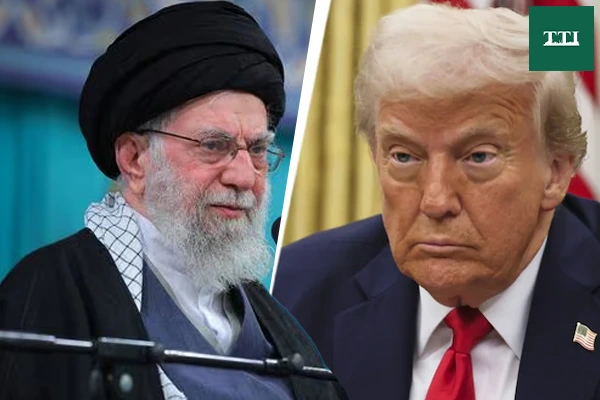
As of late January 2026, the geopolitical landscape in the Middle East has reached a critical flashpoint. Tensions between Iran and the United States have escalated to levels not seen in years, fueled by a combination of domestic unrest within Iran and a series of aggressive military posturing by President Donald Trump. With the Iranian leadership reportedly retreating to secure locations and the U.S. moving significant naval assets into the region, the international community is watching closely to see if these threats will translate into direct conflict.
The Supreme Leader Goes Underground
One of the most significant indicators of the severity of the current crisis is the reported relocation of Iran’s Supreme Leader, Ayatollah Ali Khamenei. According to reports from Iran International, Khamenei has moved into a fortified underground shelter in Tehran. This facility is described as a highly secure bunker featuring interconnected tunnels designed to withstand potential military strikes. This move followed a series of fresh warnings from Washington that suggested the possibility of a U.S. attack.
While the Supreme Leader remains in this bunker, the day-to-day management of his office has reportedly shifted. Sources close to the Iranian government indicate that Masoud Khamenei, the Supreme Leader’s third son, has taken over the administrative duties and now serves as the primary channel of communication between his father and Iran’s executive branches. This shift in leadership dynamics highlights the defensive posture currently adopted by the highest levels of the Iranian regime.
Also Read: Tragedy in Narsingdi: Hindu Youth Burnt to Death Amid Rising Tensions in Bangladesh
Words vs. Actions: The Military Standoff
The rhetorical war between Washington and Tehran has intensified alongside the physical movement of forces. President Donald Trump recently announced that a U.S. “armada” is heading toward the region, noting that warships are being positioned “just in case” he decides to take action. Trump has specified clear “red lines” for U.S. intervention, which include the killing of peaceful demonstrators and the mass execution of detainees.
Iranian military officials have responded with a mix of dismissal and defiance. Brigadier General Majid Mousavi, Commander of the IRGC Aerospace Force, downplayed the U.S. President’s rhetoric, stating that “Trump talks a lot” but promising that any American action would receive a definitive answer “on the ground.” Similarly, IRGC commander Gen. Mohammad Pakpour declared that the Revolutionary Guard is “more ready than ever, finger on the trigger,” to execute orders from their Commander-in-Chief. Currently, the aircraft carrier USS Abraham Lincoln and its accompanying strike group are confirmed to be in the Indian Ocean, though their exact destination remains undisclosed.
Domestic Turmoil and the Internet Blackout
The current international crisis is inextricably linked to Iran’s internal instability. Protests erupted in late December 2025, sparked by severe economic hardship and the dramatic collapse of the national currency, the rial. In an effort to curb the spread of the demonstrations, Iranian authorities implemented what is being described as the most comprehensive internet shutdown in the history of the Islamic Republic.
While there have been brief moments where connectivity was restored—lasting only about 30 minutes in some instances—the country has remained largely offline since January 8. Despite the blackout, reports of a bloody crackdown have emerged. Activists and international NGOs, such as Iran Human Rights, suggest the death toll could exceed 25,000, though official Iranian figures claim a much lower count of approximately 3,117 deaths. Amidst this chaos, the Trump administration has also moved forward with plans to deport Iranian migrants from the U.S., a move criticized by advocacy groups as sending individuals back into a dangerous environment.
Diplomatic Maneuvers and International Ties
Even as it faces intense pressure from the West, Iran is seeking to bolster its remaining diplomatic alliances. In a rare public gesture, the Iranian Ambassador to India, Mohammad Fathali, expressed sincere gratitude to New Delhi for its recent vote at the United Nations Human Rights Council. India opposed a resolution that sought increased scrutiny of Iran’s human rights record, a move the Ambassador described as a “principled and firm” stand.
This diplomatic support from India comes at a vital time for Tehran as it navigates the threat of secondary tariffs from the Trump administration. Trump has threatened to penalize countries that continue to trade with Iran, a policy that could have significant implications for major trading partners like India and China. As the situation continues to evolve, the combination of internal dissent, economic pressure, and the looming threat of military confrontation has placed the region on a knife’s edge.
Also Read: Shocking Video Captures Fatal Shooting of Minneapolis Nurse by Federal Agents