


Maintaining a healthy heart is a cornerstone of long-term wellness. Cholesterol, a waxy substance found in the blood, plays an essential role in supporting hormone production, building cell structures, and aiding digestion. However, balance is critical. When cholesterol levels become skewed—particularly with elevated low-density lipoprotein (LDL)—it can lead to severe cardiovascular complications. Fortunately, data from the Indian Council of Medical Research and NFHS-5 suggests that while abnormal cholesterol levels are rising among adults, natural management through lifestyle and dietary shifts remains a powerful and sustainable solution.
Understanding Cholesterol
To manage cholesterol effectively, one must first understand how it travels through the bloodstream. It primarily exists in two forms: LDL and HDL. LDL cholesterol is often labeled “bad” because high levels contribute to plaque formation in the arteries. Conversely, High-Density Lipoprotein (HDL) is known as “good” cholesterol because it acts as a scavenger, helping to remove excess cholesterol from the bloodstream and transporting it to the liver for excretion.
Also Read: Kidney Stones: Early Warning Signs and Symptoms to Watch For
Why High Cholesterol Is a Serious Health Concern
Uncontrolled cholesterol is a “silent” threat. Because it typically presents no outward symptoms, many individuals are unaware of the risks until a routine blood test or a medical emergency occurs. When left unmanaged, it can lead to the narrowing of blood vessels and reduced blood flow, which significantly increases the likelihood of a heart attack or stroke. Prioritizing natural management focuses on reducing these cardiovascular risks and improving overall metabolic health.
Dietary Strategies for Cholesterol Management Naturally
The most immediate way to influence lipid levels is through the kitchen. Incorporating specific nutrients can actively lower “bad” cholesterol.
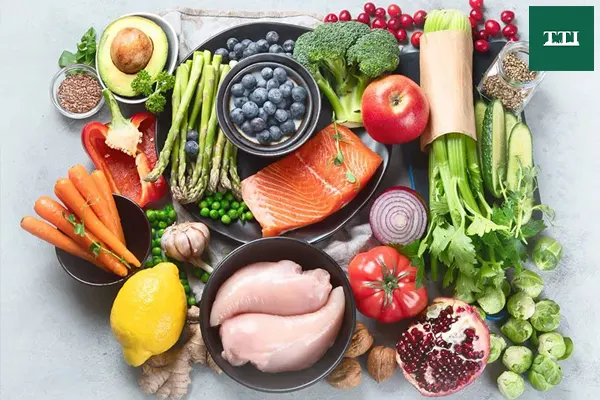
Increase Fiber Intake Soluble fiber is a vital tool in heart health. It works by binding to cholesterol in the digestive tract, preventing it from being absorbed into the bloodstream and instead flushing it out of the body. To maximize these benefits, one should prioritize fiber-rich foods such as oats, legumes, fruits, vegetables, and whole grains.
Choose Healthy Fats Not all fats are harmful. Replacing unhealthy trans fats and excess saturated fats with healthier alternatives can significantly improve your cholesterol balance. Experts recommend preferring nuts, seeds, fatty fish, and cold-pressed vegetable oils. These “good” fats help maintain the integrity of blood vessels while supporting heart function.
Reduce Refined and Processed Foods Processed foods are often hidden sources of trans fats, sugars, and high sodium, all of which can worsen a person’s lipid profile. Transitioning toward whole, minimally processed foods supports better heart health and helps stabilize metabolic markers.
Include Plant-Based Proteins Moving toward a plant-forward diet can have a profound impact. Legumes and other plant proteins have been shown to reduce LDL cholesterol levels while simultaneously improving metabolic health markers.
Physical Activity and Cholesterol Control
Movement is a biological necessity for a healthy heart. Engaging in regular physical activity helps raise the “good” HDL cholesterol while lowering the “bad” LDL and triglycerides. Beyond the numbers, exercise improves overall blood circulation and strengthens the heart muscle. Health guidelines suggest aiming for at least 150 minutes of moderate exercise every week to see significant improvements.
Weight Management and Cholesterol
Excess body weight can negatively impact the way the body handles fats. However, the path to improvement does not require drastic measures; even modest weight loss can lead to improved LDL and triglyceride levels while boosting HDL. Sustainable weight management, rather than “crash dieting,” is the key to lasting cardiovascular benefits.
Role of Stress in Cholesterol Levels
The mind-body connection is evident in lipid metabolism. Chronic stress can trigger unhealthy eating patterns and influence how the body processes fats. Integrating stress-reduction techniques such as mindfulness, yoga, and deep-breathing exercises can provide the emotional and physiological support needed for cholesterol control.
Importance of Sleep in Lipid Balance
Sleep is often the most overlooked pillar of health. Poor sleep patterns can disrupt metabolic hormones, leading to weight gain and poor cholesterol regulation. Ensuring adequate, high-quality sleep supports fat metabolism and helps keep the body’s internal chemistry in balance.
Tobacco and Alcohol Impact on Cholesterol
Lifestyle choices like smoking and alcohol consumption have a direct impact on the heart. Smoking lowers the “good” HDL cholesterol and damages the lining of the blood vessels, making them more susceptible to plaque buildup. Similarly, excessive alcohol can spike triglycerides. Avoiding tobacco and limiting alcohol intake are critical steps for anyone serious about improving their lipid health.
Monitoring Cholesterol Levels
Because high cholesterol is often symptomless, regular lipid profile testing is essential. Routine monitoring allows individuals to track their progress, assess their specific cardiovascular risk, and make informed decisions about their care plan. Early detection through these tests enables timely intervention before serious damage occurs.
When Natural Methods May Not Be Enough
While lifestyle changes are the foundation of heart health, they are not always sufficient on their own. Natural management may require medical support if LDL levels remain stubbornly high, if there is a strong family history of heart disease, or if other risk factors like diabetes and hypertension are present. It is important to remember that lifestyle changes should continue even if a physician prescribes medication.
Preventive Healthcare and Cholesterol Control
The World Health Organization and NITI Aayog emphasize that preventive interventions are the most effective way to reduce the global cardiovascular burden. Regular health checkups help detect imbalances early and allow for the creation of personalized care plans tailored to an individual’s unique genetic and lifestyle profile.
Common Myths About Cholesterol
Several misconceptions can hinder effective management. For instance, many believe that thin people do not have high cholesterol; in reality, cholesterol imbalance can affect any body type regardless of weight. Another myth is that diet alone causes high cholesterol, ignoring the significant roles played by genetics and hormones. Finally, many assume that once their levels are controlled, they will stay normal forever. In truth, maintaining a healthy heart requires ongoing lifestyle care.
Long-Term Benefits of Natural Cholesterol Management
Committing to natural cholesterol control offers rewards far beyond a simple lab report. Sustained efforts lead to a reduced risk of heart disease, improved energy levels, and better metabolic health. Ultimately, these sustainable habits pave the way for a longer life expectancy and a higher quality of life. By focusing on balanced nutrition, movement, and stress management, anyone can take proactive steps toward a healthier heart.
Also Read: Silent No More: A Comprehensive Guide to Mastering Your Blood Pressure and Protecting Your Future