


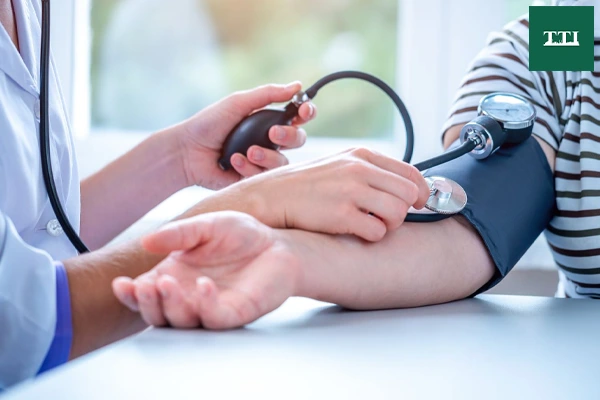
High blood pressure is often described by medical professionals as the “silent killer” because it rarely presents obvious symptoms until significant internal damage has already occurred. According to recent data from the Indian Council of Medical Research (ICMR), a staggering number of adults are living with elevated blood pressure without even realizing it. Maintaining a healthy blood pressure (BP) is not just about avoiding a diagnosis; it is a fundamental pillar of protecting your heart, brain, and kidneys. By adopting a few simple yet effective lifestyle habits, individuals can regain control over their cardiovascular health and ensure a longer, more vibrant life.
The Impact of Uncontrolled Blood Pressure
When blood pressure remains high over an extended period, it places immense strain on the circulatory system. This persistent force can lead to life-altering complications. The risks of leaving hypertension unmanaged include a significantly higher likelihood of heart attacks and strokes. Furthermore, the kidneys—which rely on healthy blood vessels to filter waste—can suffer permanent damage. Beyond these major organs, uncontrolled BP is also linked to vision loss and accelerated cognitive decline, making it essential to address the issue before it escalates.
Also Read: Natural Ways to Lower Your Cholesterol
Dietary Habits for a Healthier Heart
One of the most powerful tools for managing blood pressure is the food on your plate. Small shifts in eating habits can lead to substantial biological changes. Medical experts recommend a focus on whole foods, specifically emphasizing a diet rich in fruits, vegetables, and whole grains. These foods provide essential nutrients like potassium, which helps the body balance the effects of sodium.
Reducing salt intake is perhaps the most critical dietary modification. The ICMR recommends limiting daily salt consumption to less than five grams. Excessive sodium leads to water retention, which increases the volume of blood and puts more pressure on arterial walls. To achieve this, it is best to limit processed and packaged foods, which are often hidden sources of sodium, and instead choose fresh, home-cooked meals where you can control the ingredients.
The Role of Physical Activity and Weight Management
Movement is a natural medicine for the heart. Engaging in regular physical activity strengthens the heart muscle, allowing it to pump blood with less effort and thereby reducing the pressure on your arteries. Health guidelines suggest aiming for at least 30 minutes of moderate activity on most days of the week. This does not necessarily require a gym membership; brisk walking, swimming, or cycling are all excellent ways to improve blood flow and lower BP naturally.
Parallel to exercise is the importance of weight management. There is a direct correlation between body mass and blood pressure; as weight increases, so does the strain on the cardiovascular system. Even a modest reduction in weight can lead to a significant drop in blood pressure readings, providing immediate relief to the heart.
Managing Stress and Eliminating Toxins
The mind and body are inextricably linked, especially when it comes to hypertension. Chronic stress keeps the body in a state of “fight or flight,” which keeps blood pressure elevated. Incorporating stress management techniques such as deep breathing exercises, meditation, and yoga can provide the nervous system with much-needed rest. Taking regular breaks throughout the workday and making time for hobbies are also vital for long-term maintenance.
Equally important is the elimination of harmful substances. Tobacco use and excessive alcohol consumption are major contributors to heart disease. Tobacco chemicals damage the lining of the artery walls, while alcohol can raise blood pressure and interfere with the effectiveness of medications. Choosing to quit tobacco and limiting alcohol are among the most impactful steps one can take for their heart health.
The Importance of Monitoring and Professional Guidance
Effective blood pressure management requires consistency and awareness. Regular home BP monitoring is highly encouraged because it helps detect early changes and allows individuals to track how their body responds to lifestyle changes or treatments. Routine checkups with a healthcare professional are also indispensable for identifying risk factors early and personalizing a treatment plan that fits your specific needs.
While lifestyle changes are the foundation, medication often plays a critical role in BP control. For many, prescribed treatments are necessary to protect organs and reduce overall cardiovascular risk. It is vital to consult a doctor if readings remain high despite lifestyle efforts, or if you experience symptoms like persistent headaches, dizziness, or chest pain. By combining healthy habits with professional medical advice, you can enjoy the benefits of better kidney health, improved brain function, and a higher life expectancy.
Also Read: The Silent Regulator: Navigating Thyroid Health and Hormonal Balance in Women