


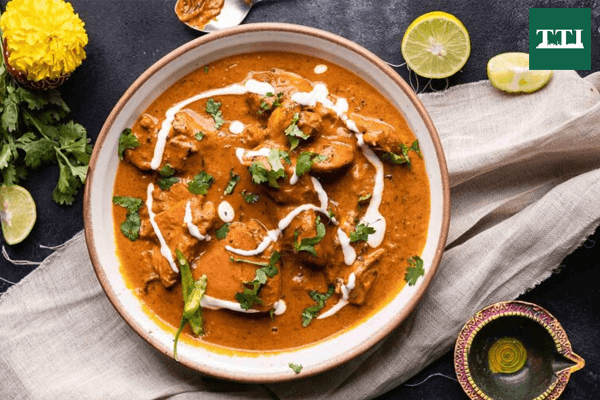
Butter Chicken, traditionally known as Murgh Makhani, stands as a global ambassador of Indian cuisine. Renowned for its luxurious, silky texture and a flavor profile that balances tanginess with a mild, aromatic heat, it is a dish that many attempt but few master at home. By following the authentic methods shared by Talk Time India, you can elevate this classic from a simple meal to a restaurant-quality masterpiece. The secret lies not just in the ingredients, but in the patience of the marination and the precision of the sauce preparation.
About Butter Chicken
Originating from Northern India, Butter Chicken is distinct from its cousin, Chicken Tikka Masala. While Tikka Masala often incorporates onions for texture and carries a spicier punch, authentic Murgh Makhani is defined by its smooth, buttery tomato gravy. Traditionally, the dish is prepared using Tandoori chicken—bone-in meat marinated overnight in a blend of hung curd and spices, then grilled in a clay tandoor. This process imparts a signature smoky aroma that infuses the gravy as the chicken simmers. While most home kitchens lack a tandoor, the essence of the dish remains achievable through pan-roasting or oven-grilling, provided the marinade has enough time to work its magic.
Ingredients and Substitutes
To achieve the “best-ever” version of this dish, quality ingredients are paramount. The foundation of the sauce is the tomatoes. Fresh, ripe, and pulpy tomatoes are preferred, though canned passata or whole peeled tomatoes can serve as excellent substitutes if fresh options are too acidic. Another critical component is the creaminess, which traditionally comes from a combination of cashews and heavy cream. For those with nut allergies, increasing the cream content or using almond flour can provide a similar silkiness.
The spice profile relies heavily on Kashmiri red chili powder, which provides a vibrant red hue without overwhelming heat. However, the true “secret” ingredient is Kasuri Methi, or dried fenugreek leaves. This herb provides the unmistakable aroma found in Indian restaurants. Finally, using “hung curd” (yogurt with the whey strained out) for the marinade ensures the spices cling to the chicken rather than sliding off into the pan during cooking.
Also Read: Mastering Paneer at Home: Essential Techniques and Recipes for Every Cook
How to Make Butter Chicken: Step-by-Step
The Importance of Marination
The preparation begins with a two-stage marination process. First, the boneless chicken pieces are tossed with lemon juice, salt, and Kashmiri chili powder to season the meat deeply. After twenty minutes, the second marinade—consisting of Greek yogurt, ginger-garlic paste, garam masala, turmeric, and cumin—is added. For the most succulent results, the chicken should rest in the refrigerator for at least 12 hours. This long rest allows the yogurt enzymes to break down the proteins, ensuring the chicken remains juicy even after grilling.
Preparing the Sauce Base
While the chicken reaches room temperature, the gravy base is prepared. A modern, helpful addition to the traditional recipe is the use of sautéed onions, which helps neutralize the natural tartness of the tomatoes. These onions are blended with the tomatoes and soaked cashews into a fine, velvety puree. To ensure a professional finish, the mixture is often passed through a sieve to remove any remaining bits of skin or seeds, resulting in the “makhani” (buttery) texture for which the dish is named.
Making the Butter Chicken Sauce
The cooking process starts by melting butter in a pan and tempering whole spices like cinnamon, cardamom, and cloves. Once aromatic, ginger-garlic paste and green chilies are sautéed until fragrant. The pureed tomato-cashew mixture is then introduced and simmered until it thickens and the fat begins to separate. This separation is a visual cue that the raw flavor of the tomatoes has been fully cooked out.
Grilling the Chicken
While the sauce simmers, the marinated chicken is cooked separately. Whether using a high-heat oven or a hot skillet, the goal is to achieve slight charred spots on the edges of the meat to mimic the tandoor effect. It is essential not to overcook the chicken at this stage, as it will continue to cook once it is introduced to the hot gravy.
Final Assembly: Making Chicken Makhani
In the final phase, the grilled chicken is added to the simmering sauce. A splash of hot water may be needed to adjust the consistency. The dish is finished with a touch of sugar to balance the acidity, a final sprinkle of crushed Kasuri Methi, and a generous pour of heavy cream. This last addition transforms the vibrant red sauce into the iconic orange-hued, creamy gravy.
Serving Suggestions
Butter Chicken is best enjoyed alongside fragrant Jeera rice or buttery, garlic-topped Naan. For a complete Indian feast, consider pairing it with a fresh Kachumber salad or a side of Jeera Aloo.
Expert Tips for Success
For those looking to streamline the process, the gravy can be prepared a day in advance and refrigerated. When ready to serve, simply grill the chicken and simmer it in the pre-made sauce for a few minutes. This not only saves time but often allows the flavors in the sauce to develop further, resulting in an even deeper, more complex dining experience.