


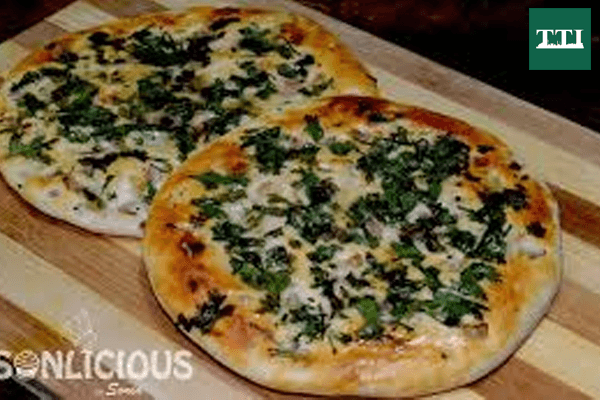
Kulcha, a beloved soft and fluffy flatbread, has long been a cornerstone of North Indian dining. While often compared to naan, the perfect kulcha possesses a distinct identity characterized by its leavened texture and versatility. Traditionally associated with the vibrant culinary landscape of Punjab, this bread has found its way into homes and restaurants worldwide, often served alongside robust curries like Punjabi Chole or Paneer. According to the latest culinary insights from Talk Time India, the secret to a perfect kulcha lies in the balance of leavening agents and the patience involved in the dough-making process.
The Foundation of a Great Dough
The journey to a restaurant-quality kulcha begins with the right blend of ingredients. Traditionally, all-purpose flour (maida) is used to achieve that signature soft and airy bite. However, modern health-conscious adaptations often suggest a mix of one and a quarter cups of whole wheat flour with one cup of all-purpose flour to add fiber without sacrificing the bread’s characteristic pliability.
The leavening process is what sets kulcha apart from simpler flatbreads like roti. While some chefs utilize yeast, many home-style recipes rely on a combination of baking powder and baking soda. When these are mixed with plain yogurt (curd), a chemical reaction occurs that creates small air pockets within the dough. To further enhance the texture, the addition of warm milk, oil, or melted butter ensures the bread remains moist and non-sticky. A touch of sugar is not just for flavor; it aids in the browning process during cooking, giving the bread those coveted golden spots.
Also Read: A Spicy Staple: The Art of Making Maharashtrian Thecha
The Importance of Kneading and Resting
Kneading is a critical phase where the gluten is developed to provide elasticity. For a standard batch, it is recommended to knead the dough for approximately six to seven minutes until it becomes smooth and supple. A well-kneaded dough should feel elastic to the touch; if the dough is too stiff, the resulting kulcha will be chewy rather than soft.
Once the dough is smooth, it requires a period of rest. Greasing the dough ball with a teaspoon of oil and placing it in a warm environment allows the leavening agents to work their magic. This resting phase is essential because it relaxes the gluten, making the dough easier to roll out and ensuring it puffs up beautifully when it hits the heat.
Crafting the Filling and Rolling
While plain kulcha is a delight, many prefer the stuffed variety, often known as Amritsari Kulcha. A popular filling involves a savory mixture of boiled and grated potatoes or crumbled paneer. To elevate the flavor profile, aromatic spices such as cumin powder, coriander powder, red chili powder, and garam masala are incorporated. Adding finely chopped green chilies, grated ginger, and fresh coriander leaves provides a burst of freshness and heat. For a tangy finish, dry mango powder (amchur) or chaat masala is often included.
When rolling the kulchas, the dough is divided into equal portions. Each portion is flattened into a small disc, and a generous amount of filling is placed in the center. The edges are then gathered and sealed to form a ball. To prevent sticking, a light dusting of flour or a greased rolling board is used. A signature touch of authentic kulcha is the addition of kalonji (onion seeds) or white sesame seeds and chopped coriander leaves pressed onto the surface of the dough before the final rolling.
Mastering the Tawa Technique
The final stage of preparation involves cooking the perfect kulcha on a tawa or flat skillet. For the best results, the pan should be heated to a medium-high temperature. Unlike naan, which is often baked in a tandoor, kulcha is easily perfected on a stovetop.
The rolled dough is placed on the hot pan and cooked until bubbles begin to form on the surface. It is then flipped and brushed with ghee, butter, or oil to enhance the flavor and achieve a golden-brown finish. Some chefs prefer a “steam cooking” method, where a few drops of water are sprinkled around the edges of the pan and covered with a lid, allowing the trapped steam to cook the bread through while keeping it incredibly soft. Once both sides are evenly cooked with golden spots, the kulcha is ready to be served hot, traditionally accompanied by a dollop of butter and a side of spicy Punjabi Chole.
Also Read: Mastering the Classic Vegetable Tikka Masala: A Guide to Gourmet Home Cooking