


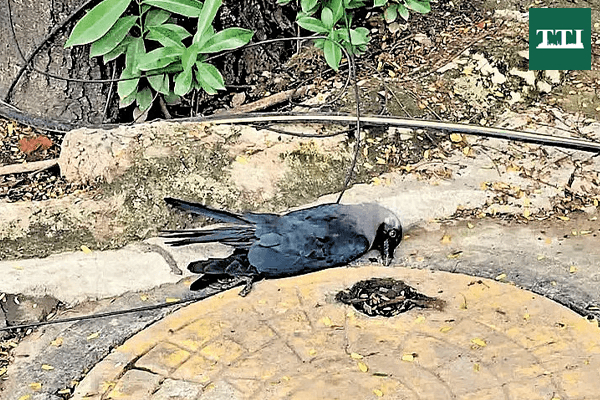
In a significant public health and environmental development, an outbreak of the H5N1 virus has been confirmed in Chennai. The situation came to light after several hundred crows—with some estimates ranging between 1,000 and 1,500—were found dead across various neighborhoods in the city. The discovery has prompted the state and union governments to issue urgent health advisories and move swiftly toward containment measures to prevent further spread.
Confirmation of Avian Influenza in Chennai
The crisis began following reports of mysterious crow fatalities in areas such as Adyar, Velachery, Thiruvanmiyur, and along the East Coast Road (ECR). The Animal Disease Intelligence Unit of the Tamil Nadu Animal Husbandry Department collected samples during the final week of January and dispatched them to the ICAR-National Institute of High Security Animal Diseases (NIHSAD) in Bhopal.
Laboratory results confirmed the presence of the highly pathogenic H5N1 strain, a virus known for its ability to cause severe illness and high mortality rates in bird populations. In response, the Union Ministry of Animal Husbandry and Dairying has written to the Tamil Nadu Chief Secretary, calling for the immediate implementation of a “One-Health” approach. This strategy integrates efforts across human health, wildlife, and veterinary sectors to address the threat comprehensively.
Also Read: Cricket vs. Capital: Pakistan’s Grand Welcome for World Bank Chief Amid India Boycott
Understanding the H5N1 Virus
H5N1 is a highly pathogenic strain of the influenza A virus that primarily targets wild birds and poultry. While it is commonly referred to as “bird flu,” the virus is notorious for its rapid transmission within bird populations. Although the virus primarily affects avian species, it possesses zoonotic potential, meaning it can occasionally infect humans and other mammals.
Human infections typically occur through close and prolonged contact with infected birds or heavily contaminated environments. While such cases are historically rare, they can be exceptionally severe. Past global data indicates that human H5N1 infections often lead to serious respiratory issues, such as pneumonia, with a fatality rate significantly higher than that of the common seasonal flu.
Government Response and Containment Measures
Authorities have outlined a rigorous set of biosecurity protocols to curb the spread of the virus. One of the primary directives involves the scientific disposal of carcasses; all dead birds must be either incinerated or buried in pits at least 8 to 10 feet deep to prevent scavenging animals from further distributing the virus.
To maintain the integrity of diagnostic testing, veterinary staff have been instructed to avoid field post-mortems and instead send carcasses to designated Regional Disease Diagnostic Laboratories. Furthermore, the Greater Chennai Corporation (GCC) and forest department teams are intensifying field surveillance in both urban and wooded areas to track any new incidents of bird mortality.
Public Health Advisory and Safety Precautions
The Directorate of Public Health and Preventive Medicine has issued a detailed advisory to residents to minimize risk. While officials emphasize there is no need for widespread panic, they stress that vigilance is essential. Key safety recommendations include:
- Avoid Contact: Members of the public are strictly advised not to touch or handle dead or sick birds with bare hands. If contact is unavoidable, gloves must be used, followed by thorough hand washing with soap.
- Report Mortality: Residents should promptly alert local authorities or the animal husbandry department if they spot groups of dead birds.
- Hygiene and Food Safety: It is recommended to maintain strict personal hygiene and ensure that all poultry meat and eggs are fully cooked before consumption.
- Symptom Monitoring: Individuals experiencing influenza-like symptoms—such as high fever, cough, sore throat, muscle aches, or eye redness (conjunctivitis)—are urged to seek medical attention immediately, especially if they have been in areas where bird deaths were reported.
Current Status and Regional Impact
While Chennai is the current focal point of this outbreak, similar H5N1 detections have recently been reported in parts of Kerala and Bihar, indicating a broader regional challenge. In Chennai, the Union Ministry has sought detailed reports on the total number of bird deaths and the progress of disposal efforts.
State health officials, including Director of Public Health Dr. A. Somasundaram, have reassured the public that bird-to-human transmission remains extremely rare. However, the intensification of surveillance in poultry farms and the restriction of movement between farms remain active priorities to protect the local economy and public safety. As the city remains on high alert, the cooperation of residents in following these biosecurity measures is considered vital to ending the transmission cycle.
Also Read: Delhi Police: Paid Promos Fueling Fake “Missing Girls” Surge Reports