


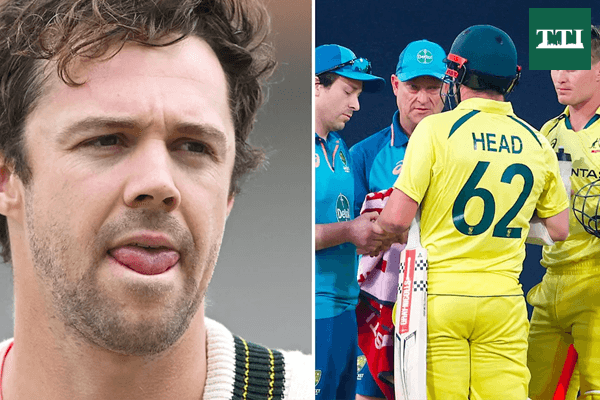
In a significant blow to Australia’s ICC Men’s T20 World Cup 2026 campaign, captain Mitchell Marsh has been ruled out of the team’s opening fixture against Ireland. The veteran leader’s absence has triggered a high-profile call-up, with legendary batter Steve Smith named as a traveling standby. Smith is set to fly to Sri Lanka immediately to acclimatize and provide essential cover for a squad currently grappling with a growing list of injury concerns.
Injury Forces Leadership Change
The Australian camp was rocked by the news that Marsh would be unavailable for the crucial tournament opener in Colombo. The injury occurred during a training session earlier this week when Marsh sustained a direct and painful blow to the groin area while facing sidearm throw-downs from an assistant coach. Despite immediate medical attention, the Australian skipper continued to experience significant discomfort and restricted movement.
Subsequent medical scans confirmed the severity of the situation, revealing internal testicular bleeding. Cricket Australia (CA) released a statement confirming that the 34-year-old would require a period of rest and rehabilitation. While the medical team has not yet set a definitive timeline for his return, they emphasized that his availability for upcoming matches would be guided by the resolution of symptoms and further medical advice.
In his stead, explosive opener Travis Head has been appointed to lead the side against Ireland. Head is no stranger to the responsibility, having captained the T20I side during the recent series against Pakistan. His leadership will be vital as a reshuffled Australian team looks to make an early statement in Group B.
Also Read: Sikandar Raza Reclaims World No. 1 Spot in Latest ICC T20I Rankings
Steve Smith Called into Action
The most notable ripple effect of Marsh’s injury is the return of Steve Smith to the T20 environment. Although Smith was originally omitted from the primary 15-man squad, he remained the first-choice standby player. Smith’s last T20 International appearance was in February 2024, but his recent form in domestic cricket made him an undeniable option for the selectors.
During the 2026 Big Bash League (BBL) season, Smith reminded the cricketing world of his white-ball prowess. Across six innings, he amassed 299 runs at a staggering average of 59.8 and a strike rate of 167.98, including a magnificent century. His ability to anchor an innings while maintaining a high scoring rate—particularly on the spinning tracks expected in Sri Lanka—provides a safety net for the Australian middle order. Smith will join the team in Colombo to begin his acclimatization process, ensuring he is match-ready should the injury crisis deepen.
Mounting Injury Concerns for the Aussies
Marsh is not the only high-profile absentee as Australia begins its quest for a second T20 World Cup title. The squad has been plagued by fitness issues throughout the lead-up to the tournament. Power-hitter Tim David has also been ruled out of the Ireland clash due to a hamstring strain, though the team remains hopeful he will return for the subsequent match against Zimbabwe.
The bowling department has also been hit hard. For the first time since 2011, Australia is featuring in a World Cup without the formidable trio of Pat Cummins, Josh Hazlewood, and Mitchell Starc. Cummins and Hazlewood were both ruled out on the eve of the tournament, leaving Nathan Ellis to lead a relatively inexperienced pace battery that includes Xavier Bartlett and Ben Dwarshuis.
A Fresh-Look Australian XI
The absence of Marsh and David has opened the door for several players to make their World Cup debuts. Matthew Renshaw, who only made his T20I debut two weeks ago, has been drafted into the batting lineup and is expected to occupy the number four slot. Additionally, wicketkeeper Josh Inglis has been promoted to open the batting alongside stand-in captain Travis Head.
Despite the roster upheaval, the Australian camp remains optimistic. Prior to his injury, Marsh expressed great confidence in the depth of the squad, noting that the team had built a pool of 18 to 20 players who have gained significant game time over the last year. As they take the field at the R. Premadasa Stadium, the “Baggy Greens” will be relying on that depth and adaptability to overcome a resilient Ireland side and navigate a challenging Group B that also includes Sri Lanka, Zimbabwe, and Oman.
Also Read: Injury and Illness Report: The Status of India’s Star Duo Before the New Delhi Showdown