


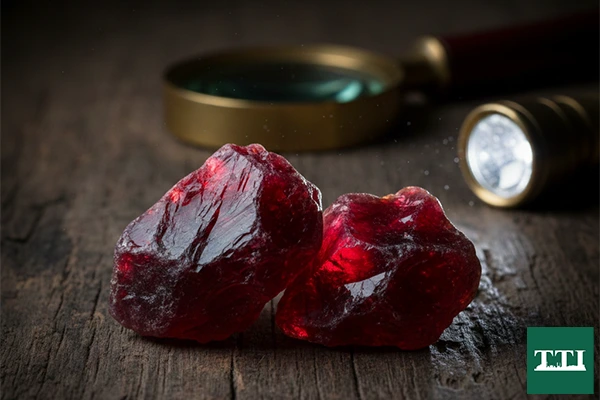
For centuries, the world looked to India—specifically the “Pink City” of Jaipur—as the ultimate workshop for the world’s gemstones. It was the place where rough emeralds from Zambia or rubies from Mozambique arrived to be shaped by the hands of master artisans.
Today, that narrative is shifting. India is no longer just the world’s lapidary; it has evolved into a powerhouse of global demand, a hub for high-end jewelry manufacturing, and a trendsetter in the colored gemstone market.
The Evolution: Beyond the Cutting Wheel
Historically, India’s gemstone industry was defined by its labor-intensive cutting and polishing sectors. However, a “renaissance” is underway, driven by several key factors:
- Vertical Integration: Leading Indian firms are moving up the value chain. Factories that once only cut stones are now designing and manufacturing finished jewelry, capturing a larger share of the global luxury market.
- Technological Innovation: While the “artisan’s eye” remains irreplaceable for fragile colored stones, the integration of advanced machinery and AI-driven grading is enhancing precision and transparency.
- Generational Shift: A new generation of leadership is blending traditional craftsmanship with digital integration, focusing on e-commerce and global branding.
Market Drivers: What’s Fueling the Surge?
The Indian gemstone market is projected to grow at a CAGR of approximately 12.56% through 2032. This explosive growth is backed by more than just tradition.
1. “Color is the New Luxury”
There is a visible shift away from traditional diamond-only pieces. Consumers are embracing “Dopamine Decor”—jewelry that uses vibrant stones like Tanzanite, Morganite, and Cuprian Tourmalines to express individuality. Emeralds, in particular, saw a massive resurgence in 2024-2025, solidifying their spot as a primary luxury asset.
2. The Domestic Consumption Engine
India’s domestic market is becoming a global epicenter for consumption. Rising disposable incomes and a growing middle class mean that gemstones are no longer just for the elite.
- Astrology & Wellness: The perennial demand for “Navratna” stones continues to provide a stable floor for the market.
- Wedding & Festive Seasons: Events like Diwali and the massive Indian wedding industry contribute to nearly 50% of the annual jewelry demand.
3. Ethical Sourcing & Transparency
Modern buyers—especially Gen Z and Millennials—demand to know the story behind their stones. Indian manufacturers are responding by investing in blockchain traceability and ethical sourcing certifications, ensuring that the “renaissance” is as sustainable as it is profitable.
Comparative Growth: India in the Global Landscape
As of 2026, India remains a dominant player, navigating geopolitical shifts and trade tariffs with resilience.
| Feature | Traditional Role (Pre-2010s) | Modern Powerhouse (2025-2026) |
| Primary Focus | Cutting & Polishing | Design, Retail & Manufacturing |
| Target Market | B2B (Exporting to West) | B2C & Domestic High-End Retail |
| Key Gems | Rubies, Emeralds, Sapphires | Rare Earths, Spinels, Paraíba Tourmaline |
| Technology | Hand-tools & Heritage | AI Grading, Blockchain, 3D Printing |
Looking Ahead: The Future is Multi-Colored
The transformation of India from a service provider to a market leader marks a fundamental recalibration of the luxury world. With exports expected to hit $100 billion by 2027, India’s influence on what the world wears—and how those stones are sourced—has never been stronger.
Whether it’s the soft “Pastel Polki” sets trending in 2026 or high-investment Zambian emeralds, the message is clear: the heart of the colored gemstone world beats in India.