


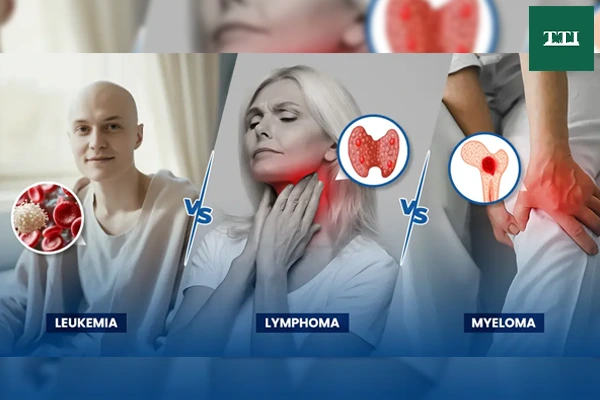
Blood cancer represents a diverse group of life-altering diseases that fundamentally disrupt the production and function of blood cells. Unlike many other forms of cancer that manifest as solid tumors, blood malignancies typically originate in the bone marrow or the lymphatic system. These diseases interfere with the body’s essential processes, such as its ability to fight off infections, transport oxygen to tissues, and manage blood clotting effectively. As diagnostic tools improve and our understanding of genetics grows, it has become increasingly important to distinguish between the three primary categories of blood cancer: leukemia, lymphoma, and multiple myeloma.
What Is Blood Cancer?
At its core, blood cancer occurs when abnormal blood cells begin to grow uncontrollably, crowding out the healthy cells that the body needs to survive. This process can affect red blood cells, white blood cells, and platelets. According to data from the Indian Council of Medical Research (ICMR) and various cancer registries, these diseases account for a significant portion of cancer diagnoses across all age groups. The rising number of cases globally is attributed to several factors, including an aging population, environmental exposures, and enhanced diagnostic capabilities that allow for earlier detection.
Also Read: How Seasonal Changes Affect Your Health
Main Types of Blood Cancer
While they all affect the blood, the three main types of blood cancer differ significantly in how they originate and progress.
1. Leukemia
Leukemia is primarily a cancer of the bone marrow and the blood, specifically targeting white blood cells. It is classified by both the speed of its progression—either acute or chronic—and the type of white blood cell involved, which can be lymphocytic or myeloid. Acute leukemias, such as Acute Lymphoblastic Leukemia (ALL) and Acute Myeloid Leukemia (AML), are fast-moving and require immediate, aggressive medical intervention. While ALL is the most common form found in children, AML can affect both children and adults.
In contrast, chronic leukemias like Chronic Lymphocytic Leukemia (CLL) and Chronic Myeloid Leukemia (CML) progress much more slowly. These forms are more frequently diagnosed in adults and can sometimes remain stable for years before requiring intensive treatment. Common symptoms across the spectrum of leukemia include persistent fatigue, frequent infections, easy bruising, and bone pain.
2. Lymphoma
Lymphoma affects the lymphatic system, a vital part of the body’s immune network. There are two primary categories of this disease. Hodgkin Lymphoma is characterized by the presence of specific abnormal cells known as Reed-Sternberg cells. This type is most common in young adults and often boasts a high rate of successful treatment. Non-Hodgkin Lymphoma, however, is far more common and encompasses a diverse group of cancers involving B-cells and T-cells. Patients with lymphoma often notice painless swelling in their lymph nodes, accompanied by night sweats, unexplained weight loss, and fever.
3. Multiple Myeloma
Multiple myeloma is a specific type of cancer that targets plasma cells in the bone marrow. These cells are responsible for producing antibodies to fight infections, but when they become cancerous, they produce abnormal proteins that can damage the body. Myeloma is often identified by a set of hallmark features known by the acronym CRAB: elevated Calcium levels, Renal (kidney) issues, Anemia, and Bone lesions. Because it weakens the skeletal structure, many patients first seek medical advice due to persistent back pain or frequent bone fractures.
Causes, Diagnosis, and Treatment
The exact cause of blood cancer is often unknown, though risk factors include genetic mutations, family history, and exposure to certain chemicals or high levels of radiation. Diagnosis typically begins with a complete blood count (CBC) and a peripheral blood smear, often followed by a bone marrow biopsy and genetic testing to pinpoint the specific subtype of the disease.
Modern medical advances have significantly improved the outlook for patients. Depending on the specific diagnosis and stage, treatment plans are highly personalized and may include chemotherapy, targeted therapy, immunotherapy, or stem cell transplants. Early detection remains the most critical factor in improving survival rates, as it allows for timely intervention before the disease causes extensive damage to the immune system or vital organs.
Conclusion
Understanding the differences between leukemia, lymphoma, and myeloma is the first step toward better health management. While a diagnosis of blood cancer is daunting, the evolution of medical science has made many of these conditions manageable or even curable. By recognizing early warning signs like persistent fatigue and swollen glands, individuals can seek the professional care necessary for a timely and effective response.
Also Read: How to Stay Healthy: A Guide to Common Respiratory Infections