


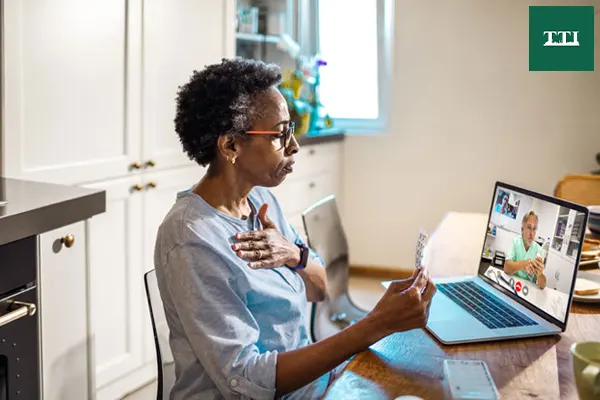
In a rapidly evolving corporate landscape, the traditional rigid office model is being replaced by a more dynamic approach that prioritizes employee health. Recent insights from Talk Time India highlight a transformative strategy: the integration of flexible work schedules with telehealth support. This combination is no longer just an optional perk but a strategic necessity for organizations aiming to foster a resilient and productive workforce.
The Shift Toward Workplace Flexibility
The modern workplace is undergoing a significant transformation. Rigid office hours and traditional healthcare access models are giving way to digital health solutions and adaptable schedules. This shift is primarily driven by the need to address two critical challenges faced by the current workforce: chronic work-life imbalance and delayed healthcare access.
According to workforce reports from NITI Aayog and EY-FICCI, employees today face rising levels of commuting stress, long working hours, and limited time for personal medical visits. These factors often lead to worsened health outcomes. Flexible work arrangements—which include adjusted start and end times, remote work, or hybrid formats—empower employees to align their professional responsibilities with their physical and mental health needs.
Understanding the Role of Telehealth Support
Telehealth uses digital platforms to deliver a wide range of healthcare services, including online doctor consultations, follow-up care, and preventive health advice. By eliminating geographical and time barriers, it ensures that medical professional help is available at the click of a button. For employees, this means no longer having to choose between a paycheck and a checkup.
Individually, flexibility and telehealth offer significant benefits. However, when combined, they create a powerful wellness ecosystem. This integrated approach allows employees to consult doctors without taking formal leave, manage chronic conditions proactively, and address early symptoms before they escalate into serious illnesses.
Reduced Stress and Burnout
One of the most immediate benefits of this model is the reduction of stress-related disorders. Flexible schedules mitigate the pressure of “rushing” to meet fixed hours, while telehealth removes the anxiety associated with navigating physical clinics and waiting rooms. By giving employees more control over their time, organizations can effectively lower the risk of burnout and mental fatigue.
Better Management of Chronic Conditions
For employees dealing with hypertension, diabetes, or thyroid disorders, regular monitoring is essential. The convenience of telehealth makes it significantly easier to maintain follow-up appointments. Proactive management of these conditions leads to better long-term health, which in turn reduces the likelihood of prolonged sick leave and high-cost medical claims for the company.
Evidence Supporting the Integrated Model
Research from the WHO and various Lancet workplace health studies confirms that flexible work improves output rather than reducing it. In the Indian corporate context, data mirrors these findings, especially within hybrid work environments. Telehealth has proven effective for the vast majority of primary care needs, and modern platforms now adhere to strict privacy and data protection standards to ensure employee confidentiality.
Role in Preventive Healthcare
A core pillar of this approach is the shift from reactive to preventive healthcare. Flexible schedules with telehealth support encourage routine checkups and ongoing health monitoring. This alignment with national priorities—such as those outlined by NITI Aayog—focuses on early risk identification and lifestyle management, ultimately creating a healthier society.
The Productivity Loss Myth
A common misconception among traditional management is that flexibility leads to a drop in productivity. On the contrary, evidence suggests that when employees are healthy and supported, their motivation and loyalty increase. By reducing the time spent on commutes and medical-related absences, employees can focus more effectively on their tasks, leading to higher-quality output.
Implementation Best Practices
To maximize the impact of this model, leadership support is vital. Organizations should set clear flexibility guidelines and integrate telehealth access directly into their HR benefits packages. Promoting preventive consultations and tracking wellness metrics can help companies understand the needs of their staff more accurately.
Flexible work schedules with telehealth support represent the future of employee wellbeing. By removing barriers to healthcare and granting employees control over their routines, this approach promotes a culture of health and resilience. As the world of work continues to change, integrating flexibility with digital health support is a strategic investment that ensures both the individual and the organization can thrive together.
Also Read: Kidney Stones: Early Warning Signs and Symptoms to Watch For