


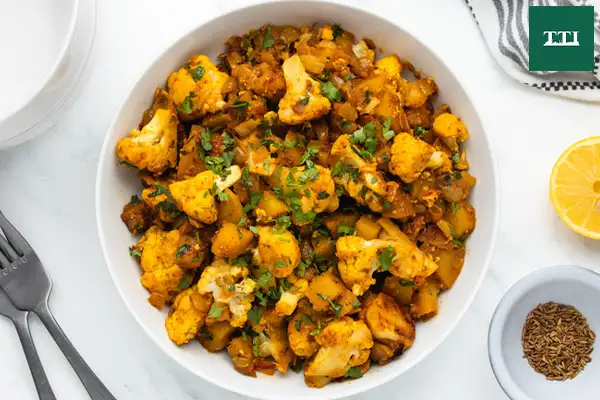
In the diverse landscape of Indian cuisine, few dishes are as universally beloved and comforting as Aloo Gobi. This classic vegetarian stir-fry, featuring the humble potato (aloo) and cauliflower (gobi), is a staple in households across the Indian subcontinent. Known for its vibrant yellow hue, aromatic spice profile, and hearty texture, Aloo Gobi is a testament to how simple, wholesome ingredients can be transformed into a culinary masterpiece. Talk Time India provides a comprehensive approach to mastering this dish, ensuring that both the texture and flavor are balanced to perfection.
Preparation and Ingredients
The secret to a successful Aloo Gobi lies in the preparation of the vegetables. One of the most common challenges with this dish is ensuring that both the potatoes and the cauliflower reach the ideal level of tenderness at the same time without the cauliflower becoming mushy. To begin, you will need approximately two cups of cauliflower florets, chopped into one-and-a-half-inch pieces, and one-and-a-half cups of cubed potatoes, cut into smaller three-quarter-inch pieces.
Before cooking, the cauliflower should be soaked in slightly hot water for a few minutes and then drained thoroughly. The potatoes should be kept immersed in a bowl of water until they are ready to be used, which helps them cook faster by retaining moisture. The aromatic base of the dish is formed by finely chopped onions, minced ginger and garlic, and green chilies. The spice palette is equally essential, requiring cumin seeds, turmeric, Kashmiri red chili powder, coriander powder, roasted cumin powder, and garam masala. For an authentic touch, kasuri methi (dried fenugreek leaves) and amchur (dried mango powder) add layers of depth and tanginess.
Also Read: How to Make the Perfect Chicken Tikka Masala at Home
How to Make Aloo Gobi
The cooking process begins with tempering the spices. Heat oil in a heavy-bottomed pan and add cumin seeds until they begin to sizzle. Following this, add the minced ginger and garlic, sautéing for about thirty seconds until fragrant. The onions and green chilies are then introduced and cooked until the onions turn transparent.
Once the aromatics are ready, the drained potatoes are added to the pan. Sauté them for a few minutes and then cover the pan to cook them on low to medium heat until they are half-done. If the pan seems too dry, a small splash of water can be added to facilitate even cooking. When the potatoes are slightly tender, it is time to add the cauliflower florets. Stir-fry the mixture for about three minutes before adding the dry spices: turmeric, chili powder, coriander powder, roasted cumin powder, and garam masala.
A crucial tip for keeping the dish moist without it becoming watery is to sprinkle a few tablespoons of water across the sides of the pan rather than pouring it directly over the vegetables. Cover the pan and continue cooking, stirring occasionally, until the vegetables are fork-tender.
The Final Flavor Fusion
In the final stages of cooking, tomatoes and kasuri methi are added to the pan. The heat should be increased slightly to medium-high to fry the tomatoes until their raw smell disappears and they blend into a light masala coating the vegetables. It is important to keep a close watch at this point; the cauliflower should remain slightly crunchy and intact, avoiding a mashed consistency.
To finish the dish, a sprinkle of amchur provides a subtle sourness that cuts through the starchiness of the potatoes. A final garnish of fresh coriander leaves and a squeeze of lemon juice enhances the brightness of the flavors.
Variations and Serving Suggestions
While the traditional stovetop stir-fry is most common, there are alternative methods to achieve different textures. For those who prefer a more roasted profile, the potatoes and cauliflower can be tossed in oil and spices and roasted in an oven at 450°F (230°C) before being combined with the onion-tomato masala. Alternatively, an air fryer or steaming method can be used for a lighter version of the dish.
Aloo Gobi is incredibly versatile and pairs beautifully with a variety of Indian breads such as roti, paratha, or naan. It also serves as an excellent side dish for steamed basmati rice or dal. Whether served as a quick weeknight dinner or as part of a festive meal, this recipe offers a nutritious, flavorful, and deeply satisfying experience that brings the authentic taste of Indian home cooking to any kitchen.
Also Read: How to Make Authentic Chana Masala: A Simple Guide to Indian Chickpea Curry