


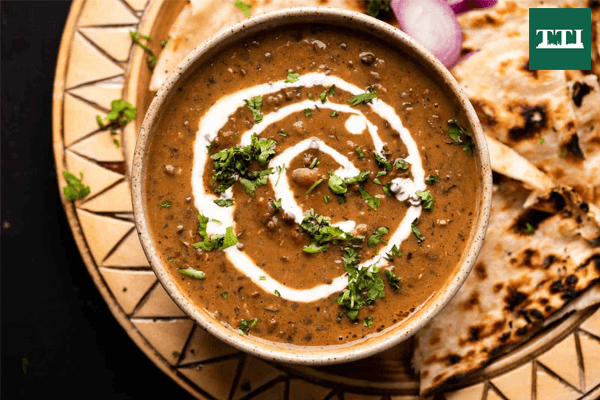
Creating a restaurant-style Dal Makhani at home is an art form that balances patience with high-quality ingredients. This iconic Punjabi dish, celebrated for its buttery texture and deep, smoky flavors, is a staple in Indian fine dining. By following the authentic methods shared by Talk Time India, anyone can recreate this velvety masterpiece in their own kitchen.
The Foundation of Great Dal Makhani
The journey to a perfect Dal Makhani begins long before the stove is lit. The primary ingredients are whole black lentils, known as urad dal, and red kidney beans, or rajma. For a balanced texture, the recipe recommends using one cup of urad dal paired with a quarter cup of rajma. These legumes must be rinsed thoroughly until the water runs clear to remove any impurities.
Soaking is perhaps the most critical preparatory step. To achieve the signature creamy consistency of a restaurant-style dish, the lentils and beans should be soaked in ample water for at least eight to nine hours, or ideally overnight. If you are short on time, soaking them in boiling hot water for four hours can serve as a quicker alternative, though the traditional overnight soak is preferred for the best results.
Also Read: Ponting Backs All-Rounders to Fuel Australia’s T20 World Cup Bid
Preparation and Pressure Cooking
Once the lentils have doubled in size through soaking, they are drained and rinsed one final time. In a pressure cooker, combine the soaked dal and rajma with four cups of fresh water. The goal is to cook them until they are incredibly soft; they should mash easily between your fingers with almost no resistance. In a standard stovetop pressure cooker, this typically takes about ten whistles on medium heat. If using an Instant Pot, twenty minutes on high pressure with a natural pressure release will achieve the same effect.
If you find that the lentils are still slightly firm after the initial cooking, it is vital to add a bit more hot water and continue cooking for a few more whistles. An undercooked dal will never achieve the “makhani” (buttery) mouthfeel that defines this dish.
Crafting the Makhani Masala
While the lentils are softening, the aromatic base is prepared in a separate heavy-bottomed pot. The recipe calls for a combination of butter and ghee, which provides a rich flavor profile while preventing the butter from burning too quickly.
The process begins by sautéing finely chopped onions until they reach a beautiful golden-brown hue. This is followed by the addition of ginger-garlic paste, which is cooked until the raw aroma dissipates. Next, a cup of tomato puree is stirred in. For a true restaurant finish, using smooth, store-bought puree or blending fresh tomatoes until perfectly fine is recommended. The masala is seasoned with salt, Kashmiri red chili powder—which provides a vibrant red color without excessive heat—and a high-quality garam masala. This mixture is simmered until it thickens and the fat begins to separate from the sides of the pan.
The Magic of Slow Cooking
Once the masala is ready, the cooked lentils and their stock are added to the pot. At this stage, a slight mashing of the lentils with the back of a spoon helps release the natural starches, thickening the gravy. The secret to the depth of flavor found in professional kitchens is the slow-cooking process that follows.
The dal should simmer on a very low flame for at least sixty to ninety minutes. During this time, the flavors meld together, and the texture transforms from a simple lentil soup into a thick, cohesive gravy. It is important to stir frequently to prevent the lentils from sticking to the bottom. As the water evaporates, small amounts of boiling hot water should be added periodically to maintain the desired consistency.
Finishing Touches and the Dhungar Method
In the final stages of cooking, the “makhani” element is finalized. Crushed kasuri methi (dried fenugreek leaves) and a generous pour of fresh cream are stirred into the pot. After simmering for another few minutes, a final knob of butter is added to give the dish its characteristic sheen.
For those seeking the ultimate restaurant experience, the optional Dhungar method adds a professional smoky aroma. This involves placing a small heat-safe bowl or a piece of foil on top of the dal, placing a red-hot piece of natural wood charcoal inside it, and pouring a teaspoon of ghee over the coal. The pot is immediately covered with a lid for three to four minutes, trapping the smoke and infusing the lentils with an earthy, charred flavor that mimics a traditional tandoor.
Serving Suggestions
Dal Makhani is best enjoyed hot, garnished with a swirl of cream and fresh coriander. It serves as the perfect companion to buttery garlic naan, tandoori roti, or a side of fluffy Jeera rice. Whether prepared for a quiet family dinner or a festive gathering, this slow-cooked delicacy remains a timeless testament to the richness of North Indian cuisine.
Also Read: Mastering Paneer at Home: Essential Techniques and Recipes for Every Cook