


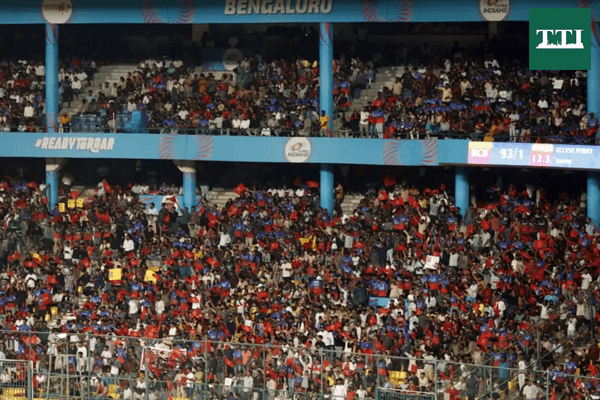
The M. Chinnaswamy Stadium, a venue synonymous with the high-octane atmosphere of the Indian Premier League, is currently at the center of intense discussions regarding its role as the home ground for the defending champions, Royal Challengers Bengaluru (RCB), for the 2026 season. While the stadium remains the front-runner to host the team’s home fixtures, its path to hosting has been complicated by the aftermath of a tragic incident and the subsequent stringent safety mandates imposed by the Karnataka state government.
Navigating Safety and Compliance Challenges
The uncertainty surrounding the venue stems from a tragic stampede on June 4, 2025, during RCB’s title-winning celebrations, which resulted in the loss of eleven lives. This event led to a suspension of the stadium’s hosting rights for major public gatherings. Following an investigation led by the Justice John Michael D’Cunha commission, the stadium was labeled “fundamentally unsafe” due to lapses in crowd management and emergency infrastructure.
In recent months, the Karnataka State Cricket Association (KSCA) has been working under immense pressure to rectify these issues. The government recently provided a conditional nod for the stadium to host international and IPL matches, provided it meets rigorous safety protocols. These include the widening of entry and exit gates, the creation of internal holding areas, and the installation of over 300 AI-enabled cameras for real-time crowd monitoring—an investment estimated at approximately INR 4.5 crore.
Also Read: From Tragedy to Transformation: The Reopening of Chinnaswamy Stadium
RCB’s Stance on Venue Responsibility
While the KSCA is optimistic about completing the necessary upgrades by the end of February 2026, the franchise remains cautious. RCB management has expressed concerns regarding a specific provision that seeks to hold organizers accountable for incidents occurring both within and in the immediate vicinity of the stadium. The franchise has highlighted “grey areas” in the government’s conditions, particularly regarding the management of traffic-free zones on Queen’s Road and the shared liability between the KSCA, the state government, and the team.
A spokesperson for the franchise emphasized that while playing in front of their passionate home crowd is the top priority, a responsible decision can only be made once all stakeholders align on safety protocols and administrative liabilities. The Board of Control for Cricket in India (BCCI) has reportedly set a deadline for late January for the franchise to finalize its home venue, as the full schedule for IPL 2026 cannot be released without this clarity.
Infrastructure Upgrades and Future Outlook
The KSCA is currently operating in multiple shifts to ensure the stadium is ready for an unconditional letter of approval from the government. Beyond crowd management, the planned upgrades include better access for emergency services, enhanced fire safety systems, and dedicated ramps to assist children, women, and persons with disabilities. Furthermore, a transition to a fully digital ticketing system is being implemented to prevent the overcrowding issues seen in previous years.
Should the Chinnaswamy Stadium fail to meet the required safety standards in time, RCB has already explored contingency plans. Potential backup venues include the MCA Stadium in Pune, the DY Patil Stadium in Navi Mumbai, and the Shaheed Veer Narayan Singh International Stadium in Raipur. The Karnataka government has also approved the construction of a new international stadium in Anekal, but this project is not expected to be completed until late 2026, making it unavailable for the upcoming season.
For now, the cricketing world watches closely as Bengaluru races against time. The M. Chinnaswamy Stadium remains the heart of RCB’s identity, and both the fans and the franchise are hopeful that the “fortress” will be ready to host the inaugural match of the 2026 season as the defending champions return home.
Also Read: Championship Stakes: Why the 2025 Champions are the IPL’s Most Coveted Asset