


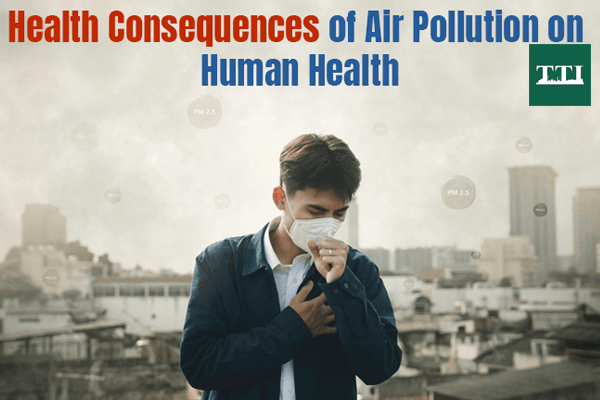
In a global environment where air quality is becoming a central concern for public health, understanding the profound impact of air pollution is no longer just for environmentalists; it is a necessity for everyone. Exposure to polluted air has been directly linked to a significant increase in chronic illnesses and premature deaths. According to data from the World Health Organization (WHO), millions of lives are lost globally each year due to the invisible threat of toxic air.
Understanding Air Pollution: The Silent Threat
Air pollution occurs when harmful substances, such as nitrogen dioxide and particulate matter (specifically PM2.5 and PM10), accumulate in the atmosphere at unsafe levels. PM2.5 particles are particularly hazardous because their microscopic size allows them to bypass the body’s natural defenses, penetrating deep into the lungs and entering the bloodstream. This systemic infiltration means that pollution does not just affect the respiratory system; it impacts nearly every organ in the body.
Also Read: Metabolic Resilience: Strategies for Long-Term Disease Prevention
Respiratory Health Effects
The most immediate and visible consequences of air pollution are felt in the respiratory system. When we inhale pollutants, they irritate the airways and trigger inflammation. In the short term, individuals may experience persistent coughing, throat irritation, wheezing, and shortness of breath. However, the long-term consequences are even more severe. Continuous exposure can lead to reduced lung capacity, the worsening of asthma, and the development of chronic conditions such as chronic bronchitis and Chronic Obstructive Pulmonary Disease (COPD). Children and the elderly are at the highest risk, as their respiratory systems are either still developing or more susceptible to environmental stressors.
Impact on Heart Health
Beyond the lungs, air pollution poses a grave risk to cardiovascular health. Once fine particles enter the bloodstream, they trigger systemic inflammation and oxidative stress. Over time, this contributes to the narrowing of blood vessels and the buildup of arterial plaque, a condition known as atherosclerosis. Consequently, long-term exposure significantly increases the risk of hypertension, heart attacks, and strokes. Reports from the Indian Council of Medical Research (ICMR) highlight that cardiovascular diseases remain a leading cause of mortality, with air pollution serving as a major contributing factor in urban environments.
Impact on Immune System
The immune system’s ability to defend the body is also compromised by constant exposure to polluted air. A weakened immune response makes individuals more susceptible to viral diseases and frequent respiratory infections. Furthermore, those who do fall ill often face a slower recovery process. Because pollution increases systemic inflammation, the body’s internal defenses are kept in a state of constant activation, which can eventually lead to chronic fatigue and other inflammatory disorders.
Effect on Children’s Health, Pregnant Women, and Infants
The vulnerability of children to air pollution cannot be overstated. Because they breathe more rapidly than adults and their lungs are still growing, they inhale more pollutants relative to their body weight. Long-term exposure during these formative years can permanently reduce lung growth and set the stage for lifelong respiratory issues.
Similarly, the risks for pregnant women and infants are significant. Research published in The Lancet indicates that high exposure to pollution during pregnancy is linked to adverse birth outcomes, including low birth weight, premature birth, and various developmental complications. Protecting expectant mothers from poor air quality is a critical component of prenatal care.
Air Pollution and Cancer Risk
One of the most sobering realities of air quality is its link to cancer. The WHO has officially classified outdoor air pollution as a Group 1 carcinogen, placing it in the same category as tobacco smoke. Prolonged exposure to airborne toxins, particularly fine particulate matter and benzene, significantly increases the risk of developing lung cancer, even in individuals who have never smoked.
Mental Health and Cognitive Impact
Emerging research is now uncovering the “invisible” effects of pollution on the brain. Fine particles and toxins that enter the bloodstream can cause neuroinflammation. This is increasingly linked to cognitive decline, mood disorders, and reduced concentration. In children, it may contribute to neurodevelopmental issues, while in older adults, it is associated with an increased risk of neurodegenerative diseases such as Alzheimer’s and Parkinson’s.
Signs of Pollution-Related Health Impact
Recognizing the early warning signs of pollution exposure is vital for prevention. Common symptoms include a persistent cough, chest tightness, eye irritation, and unusual fatigue. For those with pre-existing conditions like asthma, a sudden worsening of symptoms often serves as a primary indicator of poor air quality. If these symptoms persist, consulting a healthcare provider is essential to prevent long-term damage.
Preventive Measures to Reduce Exposure
While systemic change is needed to solve the pollution crisis, there are proactive steps individuals can take to protect their health. Regularly monitoring the Air Quality Index (AQI) allows people to plan their day and avoid outdoor activities when pollution levels are at their peak. Using N95 masks is an effective way to filter out fine particles when being outdoors is unavoidable.
Indoor air quality should also be a priority. Using air purifiers and keeping windows closed during high-pollution hours can create a safer environment at home. Additionally, avoiding high-traffic areas and busy roads reduces direct exposure to vehicular emissions. Maintaining a healthy lifestyle with a balanced diet and regular exercise also helps strengthen the immune system against environmental toxins.
Role of Preventive Healthcare
In regions with high pollution levels, routine health checkups are more than just a recommendation—they are a necessity. Preventive screenings can help detect early signs of respiratory or cardiovascular damage before they manifest into chronic diseases. By staying informed and taking consistent precautions, individuals can significantly mitigate the risks posed by air pollution and preserve their long-term well-being.
Also Read: Breaking the Stress Cycle: Protecting Your Body in a High-Pressure Era