


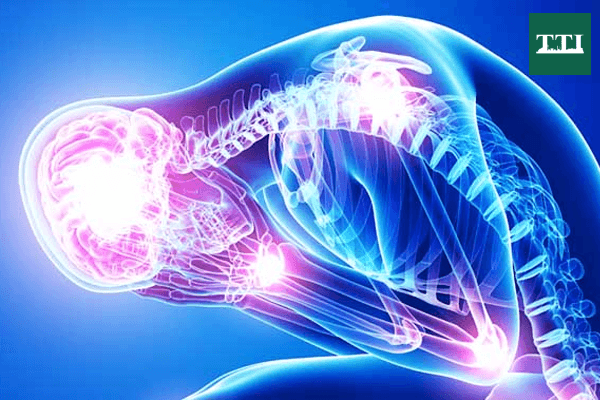
In recent years, medical professionals and health researchers have increasingly emphasized that stress is not merely an emotional or mental state. According to recent insights from Talk Time India, chronic stress acts as a silent disruptor of physical health, affecting everything from heart rhythm to metabolic stability. Understanding the mind-body connection is the first step toward preventing long-term systemic damage.
What Happens in the Body During Stress?
When an individual encounters a perceived threat, the body initiates its ancient “fight or flight” survival mechanism. This physiological cascade begins with the brain signaling the adrenal glands to release a surge of hormones, primarily cortisol and adrenaline. Under normal circumstances, this response is life-saving; it increases the heart rate, elevates blood pressure, and sharpens focus to handle immediate danger.
However, the modern environment often triggers this response for non-life-threatening reasons, such as workplace deadlines or financial worries. When these triggers are constant, the “fight or flight” system never fully shuts off, leading to prolonged exposure to high cortisol levels that can damage the body over time.
Also Read: Air Pollution and Public Health: Risks, Long-Term Effects, and Prevention
Impact on Heart Health
The cardiovascular system is often the first to bear the brunt of chronic tension. Persistent stress forces the heart to work harder, leading to sustained high blood pressure and an increased heart rate. Research indicates that stress-related disorders contribute significantly to the rising rates of cardiovascular diseases. Over time, the strain on blood vessels increases the risk of serious complications, including heart attacks, strokes, and arrhythmias. Furthermore, stress is linked to elevated cholesterol levels, creating a dangerous environment for arterial health.
Effect on the Immune System
While a brief burst of stress can temporarily sharpen the immune response, long-term stress does the opposite. Chronic elevation of stress hormones eventually suppresses the immune system’s ability to defend the body. This results in a heightened vulnerability to frequent infections, such as the common cold or flu, and significantly slows the body’s ability to heal wounds. Modern research also highlights a strong link between persistent stress and chronic inflammation, which is a known precursor to various autoimmune disorders.
Hormonal Imbalance and Metabolism
The metabolic impact of stress is largely driven by cortisol. This hormone influences how the body processes energy, and when levels remain high, it can disrupt thyroid function and reduce insulin sensitivity. These changes often manifest physically as weight gain, particularly the accumulation of abdominal fat. As the body struggles to regulate blood sugar under the influence of chronic stress, the risk of developing type 2 diabetes and metabolic syndrome increases significantly.
Digestive System Disruption
The “gut-brain axis” explains why emotional distress often translates into physical discomfort in the stomach. Stress alters the production of stomach acid and slows down the digestive process, which can disrupt the delicate balance of the gut microbiome. Many individuals experiencing chronic stress report symptoms like acidity, bloating, and the exacerbation of irritable bowel symptoms.
Impact on Sleep and Musculoskeletal Health
Sleep and stress often form a destructive cycle. Stress interferes with the ability to fall and stay asleep, leading to insomnia or poor sleep quality. This lack of rest then prevents the body from recovering, further elevating stress levels the following day.
Simultaneously, the body tends to hold stress in the muscles. This “guarding” reflex causes persistent tension in the neck, shoulders, and lower back. If left unaddressed, this tension leads to chronic pain, stiffness, and tension headaches that further diminish one’s quality of life.
Signs of Chronic Stress and Long-Term Consequences
Recognizing the physical warning signs of stress is crucial before they escalate into lifestyle diseases. Common indicators include constant fatigue, irritability, frequent illness, and unexplained body aches. If these symptoms are ignored, the long-term consequences can be severe. Untreated chronic stress is a major contributor to autoimmune disorders, heart disease, and mental health conditions like anxiety and depression.
Practical Ways to Manage Stress
Managing the mind-body connection requires a proactive, holistic approach. Regular physical activity is one of the most effective tools, as it helps clear cortisol and releases mood-boosting endorphins. Additionally, practicing mindfulness and deep breathing can calm the nervous system and lower the heart rate. Ensuring seven to eight hours of quality sleep and maintaining a nutrient-dense diet also provide the body with the resources it needs to remain resilient. Finally, seeking social support and monitoring your health through preventive checkups can help catch stress-related changes early, ensuring that the mind and body remain in healthy alignment.
Also Read: Is Your Chair Killing You? The Rising Threat of the Sedentary Life