


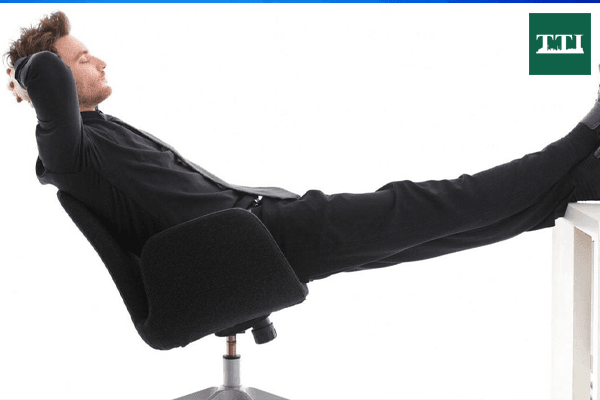
In a modern landscape where office desks, long commutes, and screen-based entertainment dominate our daily routines, a silent health crisis is emerging. Medical experts and global health organizations are increasingly sounding the alarm on the “sedentary lifestyle,” a condition so impactful that it has earned the nickname “the new smoking.” According to the World Health Organization, physical inactivity is now a leading risk factor for global mortality, and in nations like India, rapid urbanization has made prolonged sitting a primary concern for metabolic and cardiovascular health.
What Is Prolonged Sitting?
Prolonged sitting is defined as staying in a seated or reclining position for extended periods—typically more than six to eight hours a day—without significant movement. What makes this “silent threat” particularly dangerous is that its risks apply even to those who exercise. Research indicates that a 30-minute morning workout cannot fully offset the physiological damage caused by eight subsequent hours of stillness. When the body remains stationary, muscle activity drops sharply, and the biological processes that regulate fat and sugar begin to stall.
Also Read: Breaking the Stress Cycle: Protecting Your Body in a High-Pressure Era
How Prolonged Sitting Affects the Body
The physical toll of a sedentary lifestyle is comprehensive, affecting nearly every major system in the human body. One of the most immediate impacts is a slowed metabolism. When you sit for long hours, your body’s ability to burn calories decreases and the breakdown of fats slows significantly. This inefficiency leads to weight gain and a decrease in insulin sensitivity, which is a precursor to more chronic conditions.
Furthermore, reduced circulation becomes a major concern. Without the “muscle pump” provided by walking, blood flow becomes sluggish, particularly in the lower extremities. This can lead to leg swelling, varicose veins, and in severe cases, deep vein thrombosis (DVT)—a dangerous condition where blood clots form in the legs and can potentially travel to the lungs.
Major Health Problems Caused by Sitting Too Long
The long-term consequences of inactivity are grave. Cardiovascular health is perhaps the most at risk; extended inactivity promotes higher cholesterol levels, increased blood pressure, and arterial stiffness. Data from the ICMR indicates that cardiovascular disease remains a leading cause of death, exacerbated by these sedentary habits.
The risk of Type 2 Diabetes also skyrockets with prolonged sitting. Because inactivity affects how the body reacts to insulin, blood glucose levels remain elevated, leading to metabolic syndrome. Additionally, musculoskeletal problems are almost universal among desk workers. Sitting strains the spine, causing chronic lower back pain, neck stiffness, and shoulder tension. Over time, the core muscles and gluteals weaken, and hip flexors shorten, leading to poor posture and an increased risk of injury.
The Mental Health Impact
The dangers are not limited to physical ailments. Sedentary behavior is closely linked to higher stress levels, reduced mood stability, and lower productivity. Physical activity is a natural regulator of brain chemistry; without it, individuals are more susceptible to anxiety and depression. The lack of movement can even impact cognitive abilities, with some studies suggesting that excessive sitting may lead to brain changes similar to those seen in early dementia.
Why Exercise Alone Is Not Enough
A common misconception is that a gym session can “undo” a day at a desk. However, medical experts emphasize that frequent movement throughout the day is necessary. Uninterrupted sitting impacts lipid metabolism and glucose uptake in ways that a single burst of exercise cannot completely fix. Both structured exercise and the reduction of total sedentary time are essential pillars of a healthy lifestyle.
Signs You May Be Sitting Too Much
Awareness is the first step toward change. Common early warning signs of an overly sedentary life include frequent back or neck pain, stiff hips, persistent low energy, and weight gain despite a stable diet. If you find yourself feeling fatigued or noticing poor posture in the mirror, it is likely a signal from your body that it requires more movement.
Practical Ways to Reduce Sitting Time
Combating these risks does not require a total lifestyle overhaul; rather, it begins with small, consistent behavioral changes.
- The 30–60 Minute Rule: Aim to stand or walk for at least a few minutes every half hour to an hour to restart your metabolism.
- Standing Desks and Active Meetings: Alternating between sitting and standing or opting for “walking meetings” can significantly reduce total sedentary hours.
- Ergonomic Improvements: Ensuring your workspace supports your spine can mitigate musculoskeletal damage.
Conclusion: Small Changes, Big Impact
The health risks of prolonged sitting are serious and often underestimated. From heart disease and diabetes to chronic pain and mental health struggles, the cost of stillness is high. However, replacing just one hour of sitting with light activity daily can significantly reduce these risks over time. In a world designed to keep us seated, choosing to move is one of the most vital actions we can take for our long-term wellbeing.
Also Read: How Regular Screenings Act as a Shield Against Chronic Disease