


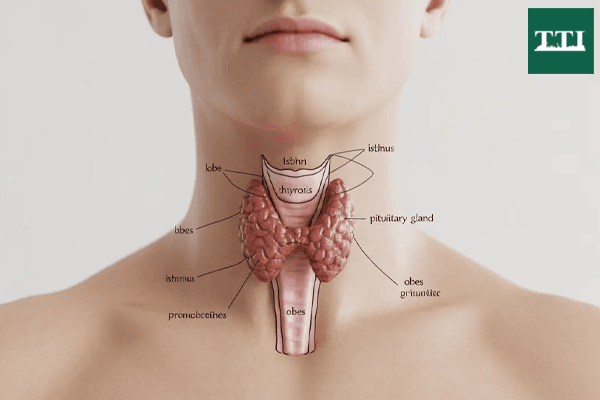
Located at the base of the neck, the thyroid is a small, butterfly-shaped gland that exerts a massive influence over your physical and mental health. This critical organ acts as a control center for the body, regulating everything from the rate at which you burn calories to the rhythm of your heart. When the thyroid functions correctly, it produces precise amounts of T3 (triiodothyronine) and T4 (thyroxine) hormones. However, when an imbalance occurs—either by producing too much or too little—the effects can ripple through every major system in the body.
What Does the Thyroid Do?
The primary responsibility of the thyroid is to maintain metabolic homeostasis. By releasing specific hormones, it oversees metabolism, heart rate, and body temperature. It is also instrumental in energy production and ensuring proper brain function. Because these hormones act as chemical messengers for almost every cell, even a minor deviation from normal levels can lead to a variety of systemic issues. Understanding these early warning signs is the first step toward reclaiming your health.
Also Read: Musculoskeletal Vitality: The Essential Guide to Daily Flexibility Training
Early Symptoms of Hypothyroidism (Underactive Thyroid)
Hypothyroidism is a condition where the thyroid gland fails to produce enough hormones to keep the body running at its normal pace. This deficiency essentially causes the body’s internal processes to slow down. One of the most prevalent early signs is persistent fatigue. Unlike the exhaustion felt after a long day, this is a deep, lingering tiredness that does not improve with rest.
Another hallmark of an underactive thyroid is unexplained weight gain. Because the metabolic rate drops, the body becomes less efficient at burning fuel, leading to a gradual increase in weight even without changes in diet or exercise. Patients also frequently report a heightened sensitivity to cold, where they feel chilled even in warm environments. Externally, the lack of hormones can manifest as dry, rough skin and thinning hair. Internally, the digestive system often slows down, resulting in chronic constipation. Finally, because thyroid hormones influence brain chemistry, many individuals experience depression or a low mood as an early psychological indicator.
Early Symptoms of Hyperthyroidism (Overactive Thyroid)
Conversely, hyperthyroidism occurs when the gland is overactive, flooding the bloodstream with excessive hormones. This speeds up the body’s functions to a degree that can feel like the system is in “overdrive.” Unexplained weight loss is common here; despite having a normal or even increased appetite, the body burns energy too quickly to maintain weight.
This metabolic acceleration also affects the cardiovascular and nervous systems. Many people experience a rapid heartbeat or palpitations, along with a sense of anxiety and irritability as the nervous system becomes overstimulated. Unlike those with hypothyroidism, people with an overactive thyroid often suffer from heat intolerance, feeling unusually warm or sweating excessively. Physical tremors, particularly a fine trembling in the hands and fingers, are also a distinct early warning sign.
Other Early Warning Signs
Beyond the core symptoms of weight and energy changes, there are several other red flags that should not be ignored. Women may notice significant menstrual irregularities, which are often a primary clue that hormonal balance has been disrupted. Mental clarity is also frequently affected, leading to difficulty concentrating or “brain fog.” Physically, one might notice muscle weakness or a visible swelling at the base of the neck, a condition known as a goiter.
Risk Factors for Thyroid Imbalance
While anyone can develop a thyroid condition, certain factors increase susceptibility. Genetics play a major role, so a family history of thyroid disease is a primary risk factor. Women are statistically more likely to develop these imbalances than men, particularly those over the age of 30. Other risk factors include having existing autoimmune disorders, a history of iodine deficiency, or undergoing significant hormonal shifts such as those during pregnancy or the postpartum period.
Why Early Detection Is Important
Ignoring the subtle signals of a thyroid imbalance can lead to severe long-term complications. If left untreated, these conditions can evolve into heart disease, infertility, and severe clinical depression. In some cases, chronic imbalance contributes to osteoporosis or dangerous metabolic complications. Catching these signs early allows for effective management and prevents permanent damage to the body’s systems.
How Is Thyroid Imbalance Diagnosed?
If you suspect an issue, medical professionals use targeted blood tests to evaluate the situation. These tests measure the levels of Thyroid Stimulating Hormone (TSH) along with T3 and T4. By analyzing these levels, doctors can confirm whether the gland is underactive, overactive, or functioning within a healthy range.
Managing Thyroid Imbalance
Management is highly personalized based on the type and severity of the condition. Hypothyroidism is usually addressed through daily thyroid hormone replacement therapy to restore levels to normal. Hyperthyroidism may require medications to slow hormone production, radioactive iodine therapy, or other medical interventions. Beyond clinical treatment, supporting the thyroid through balanced nutrition, stress management, and regular monitoring is essential for maintaining long-term wellness.
Thyroid Health in the Indian Context
In regions like India, thyroid disorders have historically been linked to iodine deficiency. While the introduction of iodized salt has helped, imbalances remain incredibly prevalent, particularly among women. Because many symptoms—like fatigue or mood shifts—are often dismissed as part of a busy lifestyle, awareness and preventive screening are more important than ever for maintaining hormonal balance.
When to Consult a Doctor
You should seek medical advice if you experience persistent fatigue, sudden changes in weight, or heart palpitations. Because thyroid symptoms can be sneaky and develop gradually, listening to your body is the best defense. Early testing ensures better outcomes and a faster return to a vibrant, balanced life.
Also Read: Dairy-Free Options For All: Include Almond and Oat Milk in Office Pantries