


Artificial Intelligence (AI) is transforming the banking landscape across the globe, and India is no exception. The Indian banking sector has been rapidly integrating AI-driven technologies to improve efficiency, enhance customer experience, manage risks, and drive innovation. From chatbots and virtual assistants to fraud detection and predictive analytics, AI applications are helping banks streamline operations, reduce costs, and offer personalized services to customers. As the Indian economy becomes increasingly digitized, the role of AI in banking is expected to grow, shaping the future of financial services in profound ways.
Understanding AI in banking involves examining its practical use cases, benefits, challenges, and future potential. As regulatory frameworks evolve and technology adoption deepens, AI is poised to redefine the way banks operate, interact with customers, and manage risk.
Understanding AI in Banking
Artificial Intelligence refers to the ability of machines and computer systems to perform tasks that traditionally require human intelligence, such as learning, reasoning, problem-solving, and decision-making. In banking, AI can process vast amounts of data, identify patterns, make predictions, and automate routine operations.
AI in banking is closely linked with machine learning (ML), natural language processing (NLP), and robotic process automation (RPA). Machine learning enables banks to analyze customer behavior, detect anomalies, and forecast trends. NLP powers chatbots and virtual assistants, providing personalized customer interactions. RPA automates repetitive processes such as data entry, compliance checks, and account reconciliation. Together, these technologies enable banks to offer faster, more accurate, and efficient services while minimizing human error.
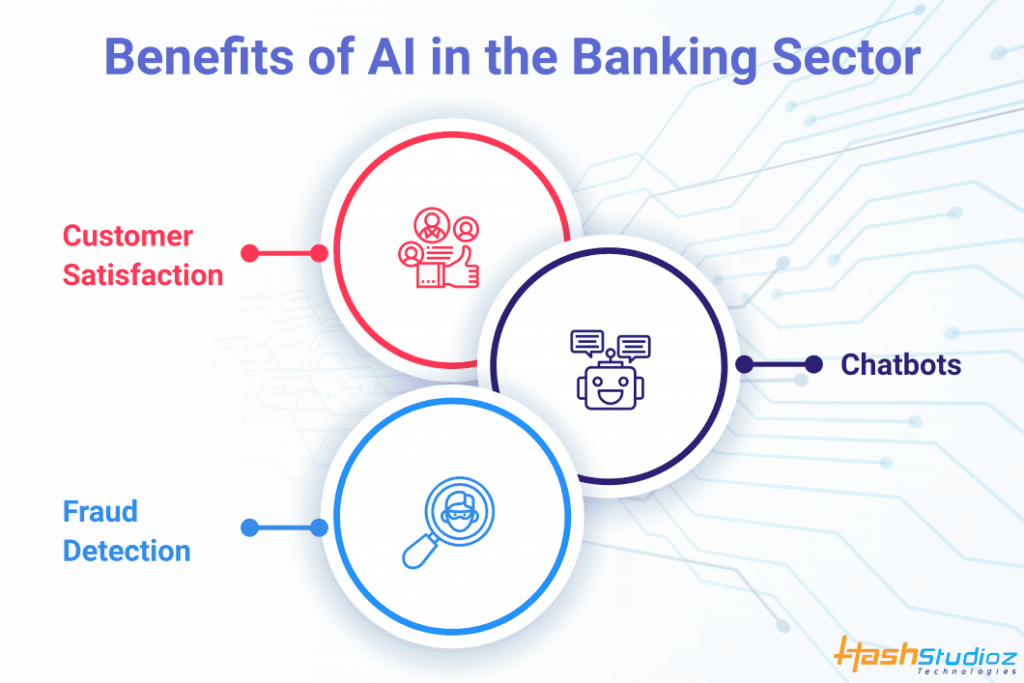
Key Use Cases of AI in Indian Banking
1. Customer Service and Chatbots
One of the most visible applications of AI in Indian banking is in customer service. AI-powered chatbots and virtual assistants, such as SBI’s “SIA” and HDFC Bank’s “Eva,” handle millions of customer queries daily. These systems provide instant responses to questions about account balances, transaction history, loan eligibility, and product details.
By automating routine interactions, banks can reduce operational costs, minimize human error, and improve customer satisfaction. Additionally, AI chatbots are capable of understanding natural language and learning from previous interactions, enabling more personalized and context-aware responses.
2. Fraud Detection and Risk Management
AI plays a critical role in identifying fraudulent activities in real-time. Banks handle thousands of transactions every second, and monitoring all of them manually is impractical. AI systems can analyze transaction patterns, flag unusual activities, and detect potential fraud with high accuracy.
For example, machine learning algorithms can detect abnormal credit card usage, suspicious fund transfers, or identity theft attempts. By analyzing historical data and behavioral patterns, AI can predict high-risk transactions and reduce financial losses. In addition, AI helps banks comply with regulatory requirements by automating risk assessments and anti-money laundering (AML) processes.
3. Credit Scoring and Loan Underwriting
Traditionally, banks rely on credit history, income documents, and financial statements to assess loan eligibility. AI enhances this process by analyzing a broader set of data, including digital footprints, transaction behavior, and alternative data sources.
Indian fintech companies and banks are increasingly using AI-based credit scoring models to evaluate creditworthiness, particularly for customers without formal credit histories. This enables financial inclusion by providing access to credit for underserved populations, such as small businesses, rural borrowers, and first-time borrowers. AI also speeds up loan processing, reduces manual errors, and ensures more accurate risk assessment.
4. Personalized Banking and Marketing
AI enables banks to offer highly personalized experiences to customers. By analyzing transaction patterns, savings behavior, and product preferences, AI systems can recommend suitable financial products, investment opportunities, and savings plans.
For instance, a bank’s AI system can suggest a credit card based on spending patterns, or propose mutual fund investments aligned with risk appetite and financial goals. Personalized marketing increases customer engagement, improves retention rates, and enhances revenue generation. Predictive analytics also helps banks anticipate customer needs, such as loan refinancing or insurance coverage, providing timely and relevant offers.
5. Process Automation and Operational Efficiency
Robotic Process Automation (RPA) powered by AI is streamlining repetitive back-office operations in Indian banks. Tasks such as document verification, account reconciliation, compliance reporting, and KYC (Know Your Customer) verification can be automated using AI, reducing processing time and operational costs.
Automation not only increases efficiency but also ensures accuracy, minimizes manual intervention, and frees employees to focus on strategic activities and customer engagement. AI-driven process automation also supports scalability, allowing banks to handle growing volumes of transactions without proportionally increasing workforce requirements.
6. Predictive Analytics and Financial Forecasting
AI systems in banking leverage predictive analytics to forecast customer behavior, market trends, and financial performance. These insights enable banks to optimize resource allocation, anticipate liquidity requirements, and identify emerging opportunities.
For example, predictive models can forecast loan defaults, cash flow requirements, or deposit trends. This helps banks make informed decisions, manage risks proactively, and improve profitability. AI-driven analytics also support strategic planning, helping banks design products, pricing, and marketing campaigns based on data-driven insights.

Challenges and Considerations
Despite the transformative potential of AI in Indian banking, several challenges remain.
- Data Privacy and Security: Banks collect sensitive financial and personal data, and AI systems require large datasets to function effectively. Ensuring data privacy, compliance with regulations, and protection against cyber threats is a critical challenge.
- Regulatory Compliance: The Reserve Bank of India (RBI) and other regulatory bodies closely monitor AI adoption in banking. Banks must comply with guidelines on AI usage, data handling, and algorithmic decision-making to avoid legal and reputational risks.
- Bias and Fairness: AI algorithms can inadvertently introduce biases if trained on incomplete or skewed datasets. For example, credit scoring models may unfairly disadvantage certain demographic groups if historical data reflects systemic inequalities. Addressing bias and ensuring fairness in AI decision-making is essential.
- Implementation Costs: Deploying AI solutions involves substantial investment in technology infrastructure, talent acquisition, and system integration. Smaller banks and regional financial institutions may face financial and technical constraints in adopting AI at scale.
- Skill Gap: Implementing and managing AI systems requires specialized knowledge in data science, machine learning, and AI governance. The shortage of skilled professionals can hinder the pace of AI adoption in banking.
Future Scope of AI in Indian Banking
The future of AI in Indian banking is promising, driven by increasing digitization, regulatory support, and growing consumer demand for seamless digital services. Several key trends are expected to shape the sector in the coming years:
- Expansion of AI-Powered Customer Experiences: AI-driven personalization and engagement will become more sophisticated, enabling banks to anticipate customer needs, offer contextual advice, and enhance the overall banking experience.
- AI in Regulatory Technology (RegTech): AI will increasingly be used for regulatory compliance, risk assessment, fraud prevention, and reporting. Automated monitoring systems will help banks adhere to RBI and global regulations more efficiently.
- Integration with Blockchain and Fintech: Combining AI with blockchain technology can enhance security, transparency, and efficiency in transactions. Fintech collaborations will continue to drive innovation in payments, lending, and investment services.
- Advanced Predictive Analytics: AI will enable more accurate forecasting of market trends, loan defaults, and investment opportunities, supporting strategic decision-making for banks and investors.
- Financial Inclusion: AI-powered credit scoring, personalized financial products, and digital advisory services will expand access to banking services for underserved populations in rural and semi-urban India.
- Voice and Conversational AI: With the rise of vernacular digital interactions, AI-driven voice assistants and chatbots will cater to customers in multiple languages, making banking more accessible and inclusive.

Conclusion / Final Thoughts
Artificial Intelligence is transforming Indian banking by enhancing customer experience, improving operational efficiency, and enabling data-driven decision-making. From fraud detection and credit scoring to personalized marketing and process automation, AI is revolutionizing the way banks operate. While challenges such as data privacy, regulatory compliance, bias, and cost exist, strategic adoption and careful governance can mitigate these risks.
The future of AI in Indian banking promises greater innovation, efficiency, and inclusivity. Banks that successfully integrate AI into their operations will benefit from enhanced customer engagement, optimized processes, and improved profitability. As India’s banking ecosystem continues to evolve, AI will remain a cornerstone of innovation, shaping the industry’s trajectory and supporting the growth of a digitally empowered economy.
FAQs
1. How is AI used in Indian banking?
AI is used for customer service, fraud detection, credit scoring, personalized marketing, process automation, and predictive analytics to enhance efficiency, reduce risk, and improve customer experience.
2. What are the challenges of implementing AI in banking?
Key challenges include data privacy, regulatory compliance, algorithmic bias, high implementation costs, and a shortage of skilled professionals.
3. How does AI improve financial inclusion in India?
AI enables access to credit for underserved populations, offers personalized financial products, and provides digital banking services to rural and semi-urban customers, bridging traditional gaps in financial access.
4. What is the future scope of AI in Indian banking?
The future includes advanced predictive analytics, AI-powered customer engagement, RegTech adoption, blockchain integration, voice-based banking, and expansion of digital financial inclusion.
Next Topic: Farmland as an Investment Option in India: Guide
Also Check: Impact of Inflation on Indian Households and Investments