


The global economy is showing signs of volatility, prompting concerns about a potential recession that could impact markets, trade, and investments worldwide. For India, understanding how it is positioned in the face of such global economic uncertainty is critical for policymakers, businesses, and individual investors. While global recessions typically involve declining GDP, rising unemployment, and contracting trade flows, India’s economic fundamentals, structural reforms, and domestic market dynamics play a decisive role in shaping its resilience. This analysis explores India’s economic positioning, risks, and opportunities in the context of global recession fears.
Global recession fears have intensified due to factors such as persistent inflation in major economies, interest rate hikes, supply chain disruptions, and geopolitical tensions. Economists have raised concerns about the spillover effects on emerging markets like India, including capital outflows, currency volatility, and reduced export demand. However, India’s domestic consumption-driven economy, diverse industrial base, and regulatory measures provide a buffer against severe shocks, allowing for a measured perspective on potential impacts.

India’s Economic Fundamentals
India’s economy has been characterized by steady GDP growth, a growing middle class, and robust domestic consumption. Unlike some economies that rely heavily on exports or financial markets, India’s economic resilience is supported by internal demand for goods and services. Consumption accounts for a significant portion of GDP, driven by urbanization, rising incomes, and a youthful population. This domestic demand acts as a stabilizing factor in times of global economic uncertainty.
Inflation management and monetary policy are also crucial. The Reserve Bank of India (RBI) has maintained a balanced approach, adjusting interest rates to curb inflation while supporting growth. Prudent fiscal policies, such as infrastructure investments and targeted subsidies, further strengthen economic stability. Additionally, India’s debt-to-GDP ratio remains moderate compared to many developed economies, providing fiscal flexibility to respond to external shocks without jeopardizing financial stability.
Trade and Export Considerations
Global recessions often lead to reduced demand for exports, affecting countries dependent on international trade. India’s export profile is diversified across goods and services, including IT, pharmaceuticals, textiles, and engineering products. While global slowdown may reduce demand in certain sectors, India’s competitive advantages, such as cost efficiency and skilled labor, help sustain trade flows.
Services exports, particularly IT and software, have remained resilient even during global downturns, as digital transformation accelerates worldwide. Remittances from the Indian diaspora also provide a stable source of foreign exchange, supporting the economy during periods of global uncertainty. However, sectors like oil imports and non-essential manufacturing may experience increased vulnerability due to price fluctuations and declining international demand.
Financial Market Resilience
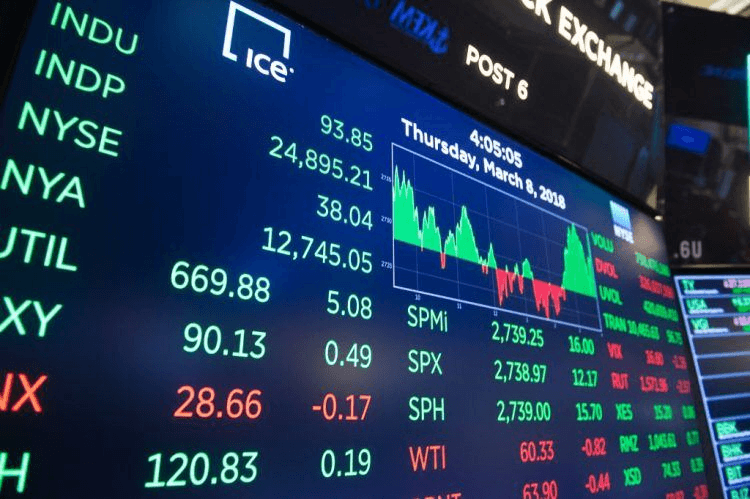
India’s financial markets, including equity, bond, and currency markets, are sensitive to global trends but have demonstrated resilience over time. The government and regulators have taken steps to strengthen the banking system, improve transparency, and enhance investor confidence. Non-performing assets (NPAs) have been steadily managed, and banking reforms continue to support credit availability, ensuring that businesses and consumers maintain access to financial resources.
Foreign investment inflows can be influenced by global recession fears, leading to volatility in equity and debt markets. However, India’s growing domestic investor base, mutual funds, and pension funds provide counterbalancing liquidity, mitigating excessive reliance on foreign capital. Regulatory frameworks such as the Securities and Exchange Board of India (SEBI) guidelines ensure market stability and reduce systemic risks during periods of external uncertainty.
Employment and Labor Market Dynamics
Global recessions often result in job losses and reduced wages, but India’s labor market exhibits unique characteristics that influence its resilience. The economy is diversified across agriculture, manufacturing, and services, providing multiple avenues for employment. Informal sectors absorb a large portion of the workforce, creating flexibility in employment patterns even during economic slowdowns.
Government initiatives, such as skill development programs, infrastructure projects, and rural employment schemes, further mitigate potential labor market shocks. Programs like the Mahatma Gandhi National Rural Employment Guarantee Act (MGNREGA) provide income support to millions, ensuring that consumption and economic activity are maintained even in uncertain times.
Policy Measures and Strategic Initiatives
India has proactively implemented policies to safeguard the economy against global downturns. Fiscal stimulus measures, targeted credit support, and sector-specific interventions help sustain growth during periods of weak external demand. The government has focused on enhancing infrastructure, promoting digitalization, and incentivizing domestic manufacturing under initiatives such as “Make in India” and production-linked incentive (PLI) schemes. These measures not only strengthen domestic capacities but also improve global competitiveness.
Monetary policy flexibility allows the RBI to adjust interest rates, liquidity, and reserve requirements to stabilize the financial system. Inflation targeting and careful currency management ensure that the rupee remains competitive while avoiding excessive volatility. Collaboration between fiscal and monetary authorities enhances coordination in responding to external shocks.
Opportunities Amid Global Uncertainty
While global recession fears pose challenges, they also present opportunities for India to strengthen its position as an emerging market. Lower global interest rates and reduced demand in certain regions can make India an attractive destination for foreign investment, particularly in infrastructure, technology, and manufacturing. Diversifying trade partners and expanding into new markets can mitigate risks associated with dependency on a few economies.
Domestic reforms, digital adoption, and entrepreneurship further enhance economic resilience. India’s start-up ecosystem, fintech innovations, and renewable energy initiatives position the country to leverage global shifts, attracting talent, investment, and technology transfers. By focusing on sustainable growth, India can emerge stronger even during periods of global economic uncertainty.
Conclusion / Final Thoughts
In conclusion, India is reasonably well-positioned to withstand potential global recession impacts due to strong domestic consumption, diversified trade, resilient financial markets, and proactive policy measures. While external shocks, reduced exports, and capital outflows present challenges, India’s structural reforms, fiscal prudence, and labor market dynamics provide significant buffers. Opportunities for growth remain in sectors such as technology, infrastructure, and manufacturing, allowing India to navigate global uncertainty strategically. By balancing risk management with long-term development initiatives, India can maintain stability and continue its trajectory as a major emerging economy despite global recession fears.
FAQs
1. What factors contribute to India’s resilience against global recessions?
India’s large domestic consumption, diversified trade, moderate debt levels, and robust financial systems help buffer external shocks.
2. How could a global recession impact Indian exports?
Reduced international demand could affect sectors like non-essential manufacturing, while IT and services exports remain relatively resilient.
3. What policy measures has India taken to mitigate economic risks?
Fiscal stimulus, infrastructure investment, PLI schemes, and RBI monetary policies strengthen growth and financial stability.
4. Are there opportunities for India during global economic slowdowns?
Yes, India can attract foreign investment, expand trade partnerships, promote digitalization, and strengthen domestic manufacturing to leverage global shifts.
Next Topic: Colors of the Cup: All the Kits Revealed for the Men’s T20 World Cup 2026
Also Check: Best Crypto Exchanges for Indian Users: Fees, Safety & KYC