


Silver has been an integral part of India’s cultural, economic, and investment landscape for centuries. Known for its dual role as a store of value and industrial commodity, silver appeals to both traditional investors and modern market participants. In India, silver is not only used for jewelry and religious purposes but is also increasingly recognized as an investment asset, alongside gold, stocks, and bonds. Understanding silver investment requires analyzing historical price trends, demand-supply dynamics, global influences, and future prospects. This guide provides a detailed overview of silver investment in India, helping investors make informed decisions.
India is one of the largest consumers of silver globally, with demand driven by jewelry, bullion, coins, and industrial applications. Unlike gold, which is largely an investment and status symbol, silver has a significant industrial component, used in electronics, solar panels, medical instruments, and photography. This dual demand pattern makes silver prices sensitive to both domestic cultural factors and global economic trends.
Historical Price Trends of Silver in India
Silver prices in India are influenced by international benchmarks, primarily the London Bullion Market Association (LBMA) prices, and domestic factors like import duties, currency fluctuations, and local demand. Over the past decade, silver has experienced periods of volatility, reflecting global economic uncertainty, changes in industrial demand, and investor sentiment.
Between 2010 and 2015, silver prices remained relatively high due to strong global demand, especially in the electronics and solar energy sectors. Prices peaked around 2011 before declining as industrial demand slowed and the US dollar strengthened. From 2016 onward, silver prices gradually recovered, influenced by a combination of low interest rates, economic stimulus measures, and increasing demand for precious metals as a hedge against inflation.
Domestic demand also plays a significant role. Festivals such as Diwali, Akshaya Tritiya, and weddings drive substantial jewelry and coin purchases, temporarily increasing silver prices. Investment products like silver ETFs and sovereign coins have added a financial dimension, attracting investors seeking liquidity and exposure to global trends without physically holding the metal.
Factors Influencing Silver Prices in India
Silver prices are influenced by a combination of global and domestic factors:
- Global Economic Conditions: Silver often behaves as a safe-haven asset during economic uncertainty. Inflation, interest rate changes, and recessions can drive investors toward precious metals, increasing silver demand and prices.
- Industrial Demand: Silver’s use in electronics, solar panels, medical equipment, and other industrial applications makes it sensitive to global industrial trends. Growth in technology and renewable energy sectors positively impacts silver prices.
- Currency Movements: Since silver is globally priced in US dollars, fluctuations in the Indian rupee affect domestic prices. A weaker rupee increases the local cost of silver imports, often pushing up retail prices.
- Government Policies and Taxes: Import duties, GST rates, and regulatory policies affect the availability and pricing of silver in India. Higher duties can increase domestic prices, while easing restrictions may boost market activity.
- Investor Sentiment: Speculative trading, investment demand through ETFs, and market trends influence short-term price movements. Festivals and wedding seasons also create predictable spikes in demand.
Methods of Investing in Silver
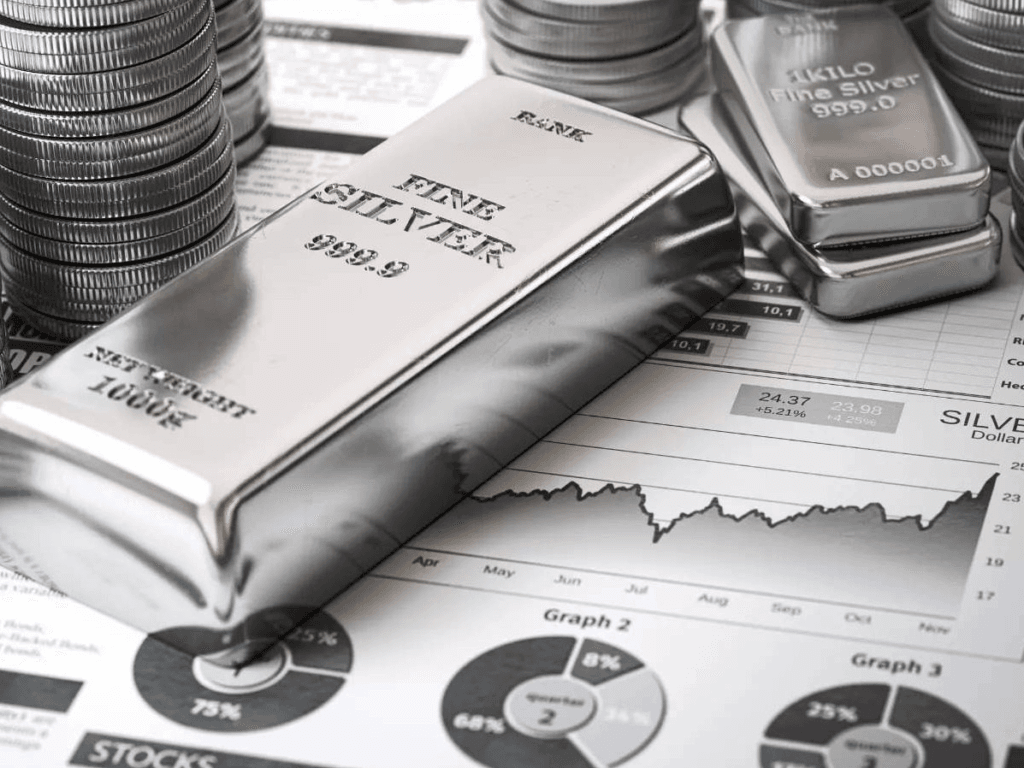
Investors in India can access silver through multiple channels, each with distinct advantages and risks:
- Physical Silver: This includes coins, bars, and jewelry. Physical silver provides tangible ownership and has cultural significance, but it involves storage costs, purity verification, and security concerns.
- Silver ETFs: Exchange-traded funds allow investors to gain exposure to silver prices without holding physical metal. ETFs provide liquidity, ease of trading on stock exchanges, and professional management of assets.
- Sovereign Silver Bonds: Issued by the government, these bonds pay interest and track silver prices. They combine investment returns with safety and reduce the risks associated with physical handling.
- Digital Silver Platforms: Fintech solutions now allow investors to buy and sell digital silver with fractional ownership, backed by verified physical stocks. These platforms offer convenience, low transaction costs, and secure storage.
Risks and Considerations
While silver is considered a relatively stable investment, it is not without risks:
- Price Volatility: Silver prices can fluctuate sharply due to global economic events, industrial demand shifts, and investor sentiment.
- Liquidity Concerns: Physical silver may require time to sell, while ETFs and digital platforms offer better liquidity.
- Storage and Security: Physical silver requires secure storage and insurance, adding costs to investment.
- Market Knowledge: Understanding global trends, currency movements, and supply-demand dynamics is essential for informed investing.
Investors should balance physical and paper silver investments, diversify across asset classes, and monitor both domestic and international developments to manage risks effectively.
Future Outlook for Silver Investment in India
The outlook for silver investment in India is positive, supported by both cultural and industrial demand. As renewable energy adoption increases, silver demand in solar panels is expected to grow significantly. Industrial growth in electronics, healthcare, and technology sectors will continue to drive demand. Additionally, inflation concerns, currency fluctuations, and financial market uncertainty may increase investor interest in silver as a safe-haven asset.
Government initiatives promoting digital investments and financial literacy, along with the growth of silver ETFs and digital platforms, make silver investment more accessible to retail investors. Sustainable mining practices and global supply chain developments may also influence prices, emphasizing the importance of monitoring macroeconomic and geopolitical factors.
Silver’s dual role as a precious metal and industrial commodity ensures that it will remain an attractive investment option in India. Its affordability compared to gold, cultural significance, and increasing financial products catering to investors enhance its appeal. Investors who understand market dynamics and adopt diversified investment strategies can leverage silver to achieve long-term wealth preservation and potential gains.

Conclusion / Final Thoughts
In conclusion, silver remains a compelling investment choice for Indian investors seeking diversification, inflation protection, and exposure to global commodities. Historical price trends, domestic demand, and global industrial consumption shape the silver market, while investment options such as physical silver, ETFs, sovereign bonds, and digital platforms provide flexibility. Despite risks such as price volatility and storage challenges, silver’s strategic role in portfolios is likely to grow in importance. By carefully analyzing market trends, regulatory policies, and demand-supply dynamics, investors can capitalize on silver’s potential while managing associated risks effectively.
FAQs
1. Why is silver considered a good investment in India?
Silver serves as both a cultural asset and industrial commodity, providing diversification, hedge against inflation, and potential long-term gains.
2. What are the ways to invest in silver in India?
Investors can choose physical silver, silver ETFs, sovereign silver bonds, or digital silver platforms depending on convenience, liquidity, and storage preferences.
3. How do global factors affect silver prices in India?
Global industrial demand, economic conditions, US dollar strength, and geopolitical developments influence international silver prices, which in turn affect domestic prices.
4. Is investing in digital silver safe?
Yes, when using verified platforms with transparent backing of physical silver, digital silver provides convenience and security without the challenges of storage.
Next Topic: Role of AI and IoT in Indian Agriculture
Also Check: Neobanks in India: Are They the Future of Banking?