


Agriculture has always been a cornerstone of India’s economy, providing livelihoods to millions and contributing significantly to the nation’s GDP. Over the past decade, technological innovations have begun transforming traditional farming practices, making agriculture more efficient, sustainable, and profitable. Agritech startups in India are at the forefront of this revolution, leveraging technology to address challenges such as crop productivity, supply chain inefficiencies, and financial inclusion for farmers. In 2026, these startups continue to reshape the agricultural landscape, creating opportunities for farmers, investors, and the broader economy.
The Rise of Agritech in India
India’s agriculture sector faces several challenges: fragmented landholdings, dependency on monsoon rainfall, limited access to credit, and inefficient supply chains. Agritech startups have emerged to address these issues, offering solutions that combine data analytics, artificial intelligence, IoT, and mobile technology.
Government initiatives such as the Pradhan Mantri Krishi Sinchai Yojana, Digital India, and support for startups have accelerated the adoption of technology in agriculture. Farmers now have access to better information on weather, soil health, crop management, and market prices, empowering them to make informed decisions.
Venture capital and private equity investments in agritech are also rising, reflecting confidence in the sector’s growth potential. Startups are attracting funding for innovations in precision farming, farm-to-market solutions, supply chain optimization, and agri-finance.
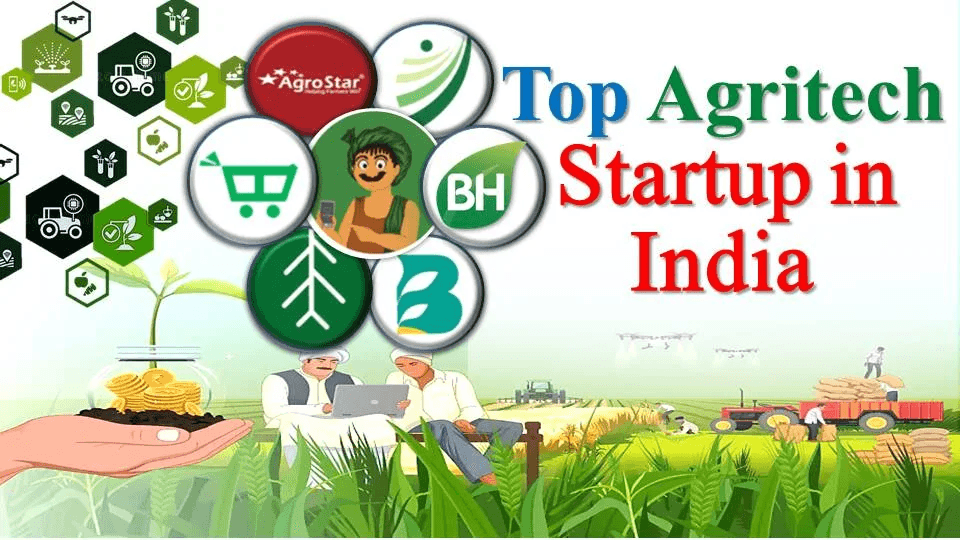
Key Agritech Innovations
Agritech startups are implementing a wide range of technologies to modernize farming practices:
1. Precision Agriculture: Using sensors, drones, and satellite imagery, startups provide farmers with data on soil health, irrigation needs, and crop health. Precision agriculture helps reduce input costs, improve yields, and minimize environmental impact.
2. Digital Marketplaces: Platforms connecting farmers directly to buyers eliminate intermediaries, ensuring fair prices and reducing post-harvest losses. E-commerce solutions for agricultural produce have expanded market access, especially for small and marginal farmers.
3. Agri-Fintech Solutions: Startups are offering digital credit, crop insurance, and financial advisory services tailored to farmers. These solutions improve access to funds, mitigate risks, and enhance financial inclusion.
4. Farm Management Software: Mobile apps and cloud-based platforms allow farmers to track crop cycles, manage labor, and monitor expenses. Integrated farm management solutions improve efficiency and decision-making.
5. Sustainable Farming Practices: Startups are promoting organic farming, soil conservation, water management, and renewable energy use. These approaches ensure environmental sustainability while increasing farm profitability.
Notable Agritech Startups
Several agritech startups are leading the transformation of Indian agriculture:
Ninjacart: A farm-to-fork supply chain startup connecting farmers with retailers and businesses, reducing intermediaries and ensuring timely delivery of fresh produce.
DeHaat: Provides end-to-end solutions including agri-inputs, advisory services, and market linkages, empowering small farmers to enhance productivity and income.
Stellapps: Specializes in dairy technology, using IoT and analytics to improve milk yield, quality, and supply chain efficiency.
AgNext: Uses AI and computer vision for quality assessment of crops and commodities, helping farmers and buyers make informed decisions.
EM3 AgriServices: Offers farm mechanization solutions, making modern equipment accessible to small farmers through rental and service platforms.
Impact on Farmers and the Economy
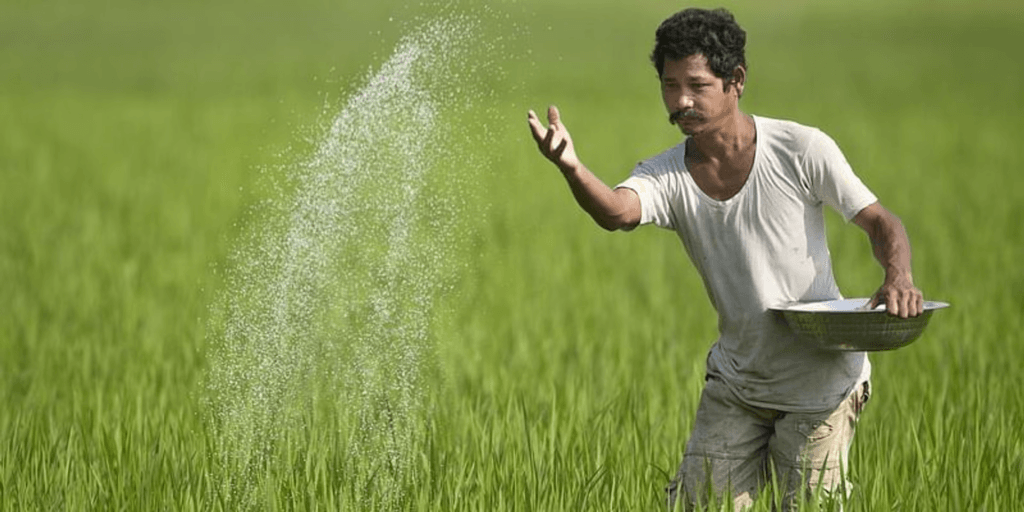
Agritech startups are significantly improving farmers’ livelihoods and India’s agricultural productivity. By adopting technology, farmers can reduce input costs, increase yields, and access better markets. Digital tools enhance transparency in pricing and reduce post-harvest losses, ensuring fairer compensation.
On a broader scale, agritech contributes to the national economy by enhancing food security, reducing supply chain inefficiencies, and promoting exports of agricultural produce. Technology-driven practices also help conserve resources like water and soil, supporting sustainable development goals.
Challenges and Opportunities
While the growth of agritech is promising, challenges remain:
1. Technology Adoption: Many small and marginal farmers lack awareness or access to digital tools, limiting the reach of agritech solutions.
2. Infrastructure Gaps: Inadequate rural infrastructure, including internet connectivity, storage, and transportation, can hinder the effectiveness of technology-driven solutions.
3. Regulatory Hurdles: Startups must navigate complex regulations related to agriculture, land use, and finance to scale effectively.
Despite these challenges, the opportunities for agritech in India are immense. Startups that focus on affordability, user-friendly technology, and localized solutions are likely to achieve the greatest impact. Partnerships with government programs, financial institutions, and cooperative societies can further accelerate adoption.
Future Outlook
In 2026, India’s agritech sector is expected to grow exponentially, driven by innovation, policy support, and increased farmer awareness. Emerging technologies such as AI, blockchain, and IoT will continue to enhance farm productivity, supply chain transparency, and risk management.
The integration of fintech with agritech will also play a crucial role, providing farmers with access to credit, insurance, and digital payment solutions. Startups that successfully combine technology, sustainability, and financial inclusion will be at the forefront of India’s agricultural transformation.
Conclusion
Agritech startups are revolutionizing Indian farming by introducing technology, efficiency, and financial empowerment. From precision agriculture and digital marketplaces to agri-fintech solutions, these innovations are helping farmers increase productivity, reduce costs, and access fair markets. While challenges like technology adoption and infrastructure gaps remain, the potential for impact is immense.
By 2026, agritech will continue to shape the future of Indian agriculture, contributing to economic growth, sustainability, and improved livelihoods for millions of farmers. For investors, entrepreneurs, and policymakers, supporting and engaging with this sector represents an opportunity to drive meaningful change while fostering innovation in one of India’s most vital industries.
FAQs
1. What is agritech and why is it important in India?
Agritech refers to technology-driven solutions in agriculture, improving productivity, efficiency, and sustainability. It is crucial in India for enhancing farmer incomes and modernizing traditional farming practices.
2. Which are some leading agritech startups in India?
Ninjacart, DeHaat, Stellapps, AgNext, and EM3 AgriServices are notable startups driving innovation and transformation in Indian agriculture.
3. How does agritech benefit small farmers?
Agritech provides access to digital tools, market linkages, credit, and advisory services, helping small farmers improve yields, reduce costs, and earn better income.
4. What are the future trends in Indian agritech?
Emerging trends include precision farming, IoT integration, blockchain for supply chain transparency, digital marketplaces, and agri-fintech solutions.
Next Topic: India Infrastructure Growth 2026 – Roads, Railways & Ports
Also Check: Gold Investment India 2026 – Physical vs Digital Guide