


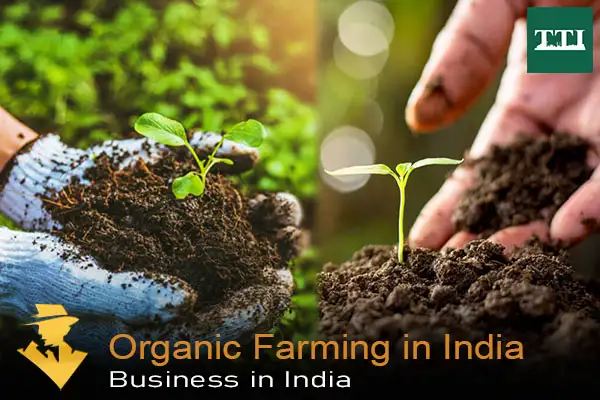
Organic farming in India has gained significant attention over the past decade as consumers, policymakers, and farmers increasingly recognize its environmental, health, and economic benefits. Unlike conventional farming, organic agriculture avoids synthetic fertilizers, pesticides, and genetically modified seeds, relying instead on natural methods such as composting, crop rotation, and biological pest control. This approach not only promotes soil health and biodiversity but also caters to the growing domestic and international demand for chemical-free produce.
The profitability of organic farming in India depends on multiple factors, including crop selection, market access, certification, input costs, and consumer demand. While organic farming offers long-term environmental and economic advantages, it also faces unique challenges, from lower initial yields to higher certification costs and market uncertainties. Understanding these factors is essential for farmers, investors, and policymakers aiming to promote sustainable agricultural practices in India.

Growth of Organic Farming in India
India is one of the largest producers of organic agricultural products globally. States such as Sikkim, Uttarakhand, Madhya Pradesh, and Rajasthan have seen significant adoption of organic practices. Sikkim, for instance, became India’s first fully organic state, demonstrating the potential for large-scale organic farming initiatives.
The demand for organic products has been driven by multiple factors. Urban consumers are increasingly health-conscious and willing to pay a premium for chemical-free produce. Export markets, particularly in Europe, the United States, and Japan, provide high-value opportunities for organic commodities such as spices, tea, coffee, pulses, and fruits. Government schemes like the Paramparagat Krishi Vikas Yojana (PKVY) support organic farming by providing financial incentives, training, and certification assistance to farmers.
Profitability of Organic Farming
Organic farming can be profitable when managed efficiently, but it requires careful planning and investment.
1. Premium Pricing
One of the main advantages of organic farming is the ability to sell products at higher prices compared to conventional agriculture. Organic fruits, vegetables, grains, and spices often command 20–50% higher prices in domestic markets and up to 100% higher in export markets. This premium can offset lower yields in the initial years of transitioning from conventional to organic farming.
2. Lower Input Costs
While organic farming avoids synthetic inputs, it relies on natural fertilizers, compost, manure, and bio-pesticides. In many cases, locally available resources such as cow dung, vermicompost, and crop residues reduce dependency on expensive chemical inputs, lowering operational costs. Over time, healthier soil and improved fertility further enhance productivity, contributing to long-term profitability.
3. Government Support and Subsidies
The Indian government promotes organic farming through schemes like PKVY, which provides financial assistance for certification, training, and organic inputs. Farmers can also access subsidies for adopting bio-fertilizers, vermicomposting units, and drip irrigation systems. Such support reduces the financial burden during the transition period and improves profitability.
4. Diversification and Crop Rotation
Organic farming encourages crop diversification and rotation, which not only enhances soil fertility but also provides multiple income streams. Farmers can combine food crops, cash crops, and high-value horticulture to optimize revenue and reduce market risk. Intercropping and mixed farming further improve resilience against pests, diseases, and weather variability.
5. Export Opportunities
India’s organic exports have grown steadily, with products such as basmati rice, spices, pulses, tea, coffee, and oilseeds in high demand globally. Export markets often offer better prices than domestic markets, making organic farming an attractive option for farmers with access to proper supply chains and certification.
Challenges in Organic Farming
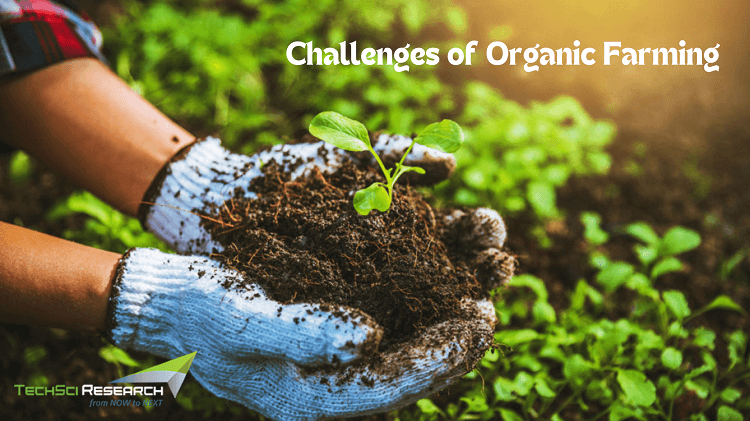
Despite the benefits, organic farming in India faces several challenges that can impact profitability and scalability.
1. Transition Period and Lower Yields
Farmers converting from conventional to organic farming experience a transition period of 2–3 years during which synthetic inputs are avoided but yields may be lower. This reduction in productivity can temporarily reduce income, making it difficult for small farmers to sustain operations without financial support.
2. Certification and Compliance Costs
Organic certification is mandatory for both domestic and export markets, ensuring adherence to strict standards. Obtaining certification involves costs for inspection, documentation, and compliance, which can be a barrier for small and marginal farmers. Group certification models and government subsidies help reduce this burden but challenges remain.
3. Pest and Disease Management
Without chemical pesticides, organic farmers must rely on natural pest control methods, crop rotation, and resistant varieties. While effective in the long term, managing pests and diseases organically requires knowledge, vigilance, and sometimes higher labor input, which can affect profitability.
4. Market Access and Infrastructure
Organic farmers often struggle with limited access to organized markets, storage facilities, and logistics. Poor supply chain infrastructure can lead to post-harvest losses, delays, and reduced prices. Connecting farmers with retail chains, cooperatives, and online marketplaces is essential for maximizing returns.
5. Labor and Knowledge Requirements
Organic farming is labor-intensive and requires specialized knowledge about soil health, natural fertilizers, pest management, and crop rotation. Training programs, workshops, and extension services are crucial for equipping farmers with the skills needed for successful organic cultivation.
Best Practices for Profitable Organic Farming
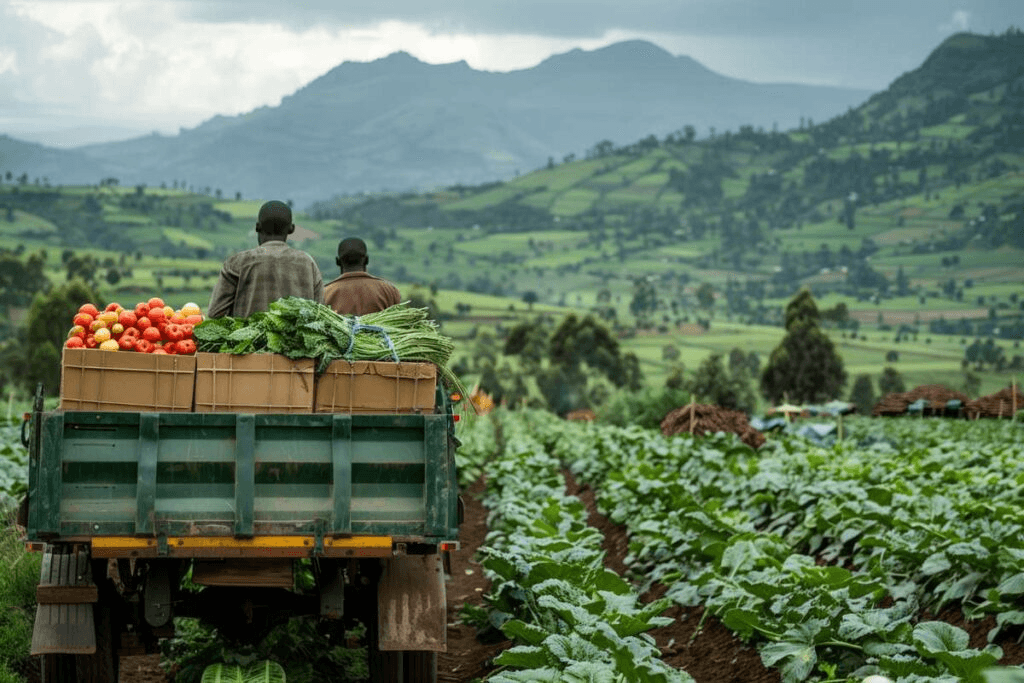
To ensure profitability and sustainability, organic farmers should adopt several best practices:
- Soil Health Management: Regular use of compost, green manure, and bio-fertilizers improves soil fertility and productivity over time.
- Diversification: Growing a mix of cereals, pulses, fruits, and vegetables spreads risk and increases revenue streams.
- Efficient Water Use: Drip irrigation, rainwater harvesting, and water-conservation techniques improve yields and reduce input costs.
- Crop Planning and Rotation: Rotating crops and using intercropping strategies help manage pests, maintain soil nutrients, and optimize land use.
- Certification and Branding: Obtaining organic certification and developing strong branding strategies enhances consumer trust and allows farmers to command premium prices.
- Market Linkages: Partnering with cooperatives, retailers, and online marketplaces ensures consistent demand and better pricing.
Future of Organic Farming in India
The future of organic farming in India appears promising due to rising health awareness, increasing domestic consumption, and strong export demand. Urban consumers are becoming more conscious of chemical residues in food and are willing to pay higher prices for organic products. Government initiatives promoting organic clusters, subsidies, and training programs are likely to accelerate adoption.
Technological advancements, including precision agriculture, organic input innovations, and digital marketplaces, will further improve productivity and market access. Investment in cold storage, logistics, and processing infrastructure will help reduce post-harvest losses and enhance profitability.
Integration with agro-tourism, organic retail chains, and export-oriented ventures presents additional opportunities for farmers and entrepreneurs. Over time, organic farming has the potential to become a viable, scalable, and profitable segment of India’s agricultural landscape.
Conclusion / Final Thoughts
Organic farming in India offers multiple benefits, including premium pricing, environmental sustainability, and long-term profitability. It provides a viable alternative to conventional agriculture, addressing health concerns, soil degradation, and chemical dependency. However, achieving success in organic farming requires careful planning, investment in knowledge and infrastructure, access to markets, and compliance with certification standards.
Farmers and investors willing to navigate the challenges of the transition period, lower initial yields, and higher labor requirements can benefit from the growing demand for organic produce. With supportive government policies, technological interventions, and increasing consumer awareness, organic farming has the potential to become a profitable and sustainable avenue for agriculture in India.
FAQs
1. Is organic farming profitable in India?
Yes, organic farming can be profitable due to premium pricing, lower input costs, government subsidies, export opportunities, and diversification of crops.
2. What are the main challenges of organic farming in India?
Challenges include lower yields during the transition period, certification costs, pest and disease management, limited market access, and higher labor requirements.
3. How can farmers increase profitability in organic farming?
Farmers can increase profitability by maintaining soil health, diversifying crops, using efficient water management techniques, obtaining certification, and establishing strong market linkages.
4. What is the future outlook for organic farming in India?
The future is promising due to rising domestic and international demand, government support, technological innovations, and increasing consumer awareness about health and environmental sustainability.
Next Topic: Role of Private Investment in Indian Infrastructure
Also Check: Farmland as an Investment Option in India: Guide