


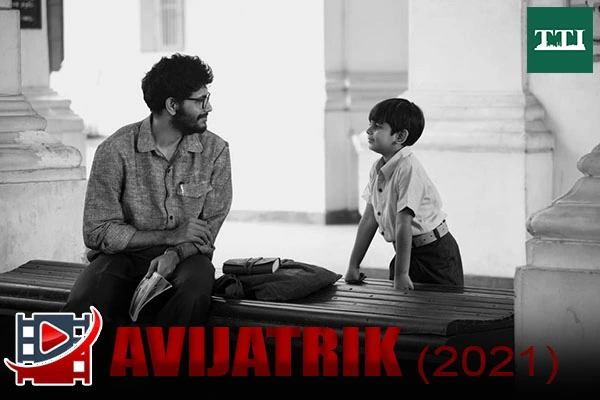
Avijatrik (2021) is a Bengali cinematic gem that takes audiences on a soulful journey of self-discovery, culture, and spirituality. Directed by Subhrajit Mitra, the film serves as a sequel to the iconic Pather Panchali and Aparajito by Satyajit Ray, completing the cinematic chronicle of Apu’s life with an exploration of his adult experiences and emotional evolution. Unlike conventional sequels, Avijatrik combines literary inspiration with visual storytelling, emphasizing introspection, cultural identity, and the human quest for meaning. The film resonated strongly with audiences in Bengal and beyond, establishing itself as a work that bridges the gap between art-house cinema and emotional storytelling accessible to a wider audience.
Narrative Overview and Themes
Avijatrik chronicles the later life of Apu, portraying his journey as a man navigating familial responsibilities, personal desires, and the quest for understanding the world around him. The film follows Apu as he embarks on travels, encountering diverse landscapes, people, and cultural experiences that shape his understanding of life. The narrative emphasizes introspection, memory, and the passage of time, creating a contemplative atmosphere that encourages audiences to reflect on their own journeys. Themes of love, loss, spirituality, and cultural heritage are interwoven, making the film a meditation on life itself rather than a plot-driven spectacle. By focusing on Apu’s internal evolution, Avijatrik captures the essence of human experience in a manner that is both timeless and deeply relatable.
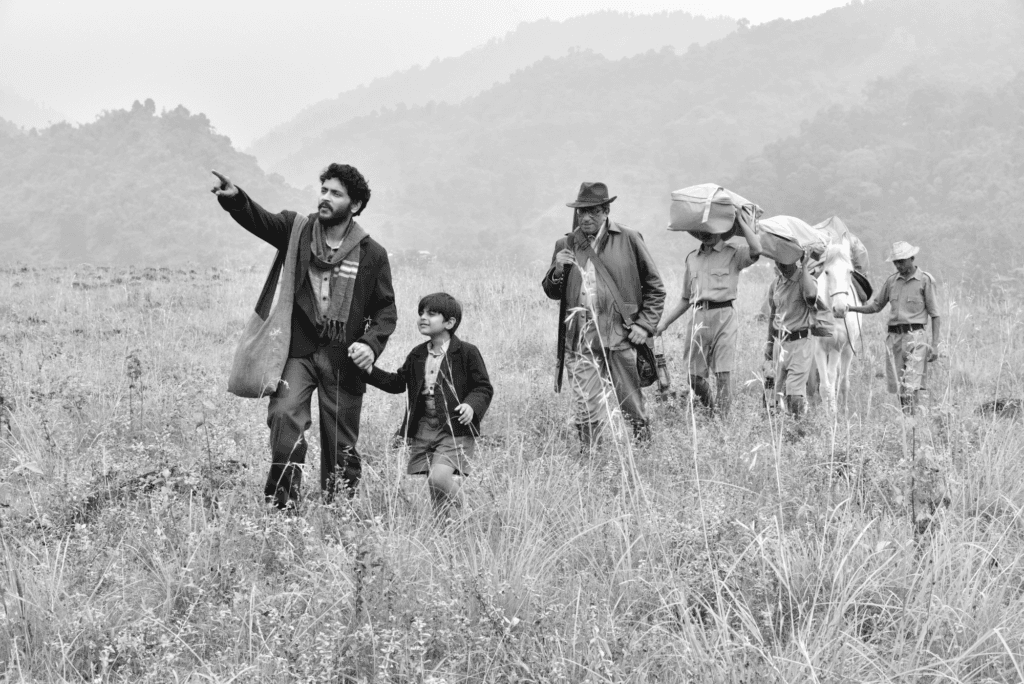
The film also explores the delicate balance between tradition and modernity, as Apu encounters new ideas and social changes while remaining connected to his roots. This tension is depicted thoughtfully, highlighting the universal struggle of reconciling personal growth with cultural heritage. The narrative does not rush; instead, it allows moments of quiet reflection to unfold naturally, making the journey immersive and emotionally resonant. Audiences are invited to experience Apu’s joys, sorrows, and spiritual contemplations, creating a sense of intimacy and empathy with the protagonist.
Performances and Character Portrayal
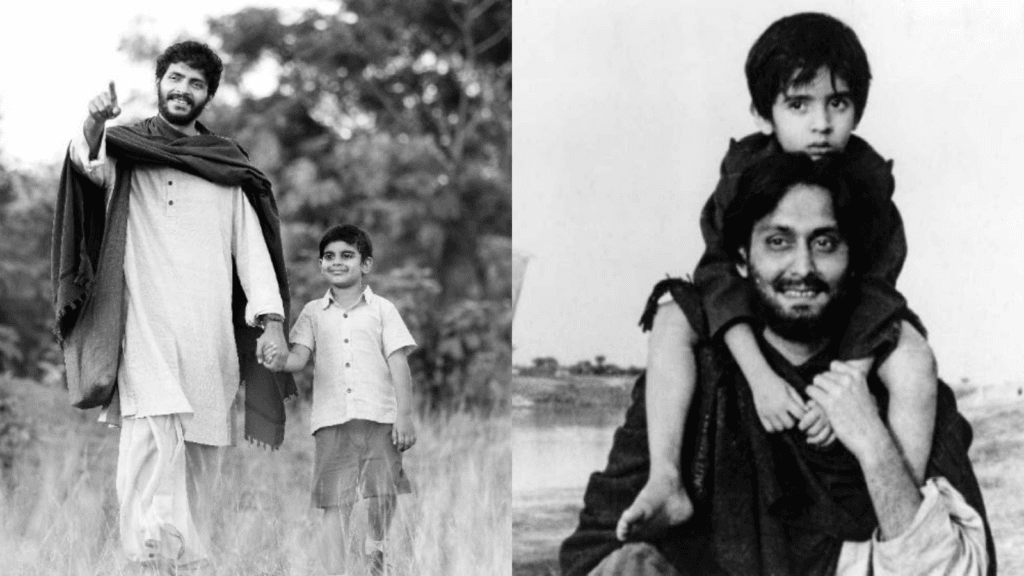
The success of Avijatrik lies significantly in its performances, particularly that of Arjun Chakrabarty, who portrays adult Apu. His performance captures the introspective, thoughtful nature of the character, portraying a man who is both reflective and deeply engaged with the world around him. Supporting actors enhance the narrative, embodying familial relationships and encounters that influence Apu’s journey. The interactions are nuanced, avoiding melodrama and instead focusing on subtle expressions, gestures, and dialogues that convey profound emotion. This attention to character depth ensures that viewers are emotionally invested, whether witnessing Apu’s joy in discovery or his moments of sorrow and longing.
The film also pays careful attention to portraying cultural and generational differences, with characters embodying various societal roles and perspectives. These portrayals enrich the narrative, providing insight into the social fabric of Bengal while reflecting universal human experiences. The performances, combined with well-crafted dialogues, make the characters feel authentic and relatable, strengthening the film’s emotional resonance.

Cinematic Aesthetics and Direction
Director Subhrajit Mitra employs visual storytelling techniques that honor the legacy of Satyajit Ray while establishing a distinct identity for Avijatrik. Cinematographer Soumik Haldar captures the lush landscapes of Bengal, the rural countryside, and urban environments with poetic sensitivity. Each frame is composed thoughtfully, emphasizing natural light, texture, and spatial depth, which contributes to the film’s immersive quality. The slow, deliberate pacing of the camera mirrors the contemplative tone of the narrative, allowing viewers to absorb the cultural and emotional nuances of each scene.
Music plays a crucial role in enhancing the film’s spiritual and emotional atmosphere. The background score, composed by Gaurav Chatterjee, incorporates classical Bengali instruments and melodies that resonate with the region’s cultural heritage. Songs are integrated sparingly but effectively, reinforcing moments of introspection and emotional revelation. Editing is handled with precision, maintaining a rhythm that reflects the ebb and flow of Apu’s journey without disrupting the narrative’s contemplative nature. The combined effect of direction, cinematography, and music creates a cinematic experience that is visually beautiful, emotionally rich, and culturally immersive.
Cultural and Spiritual Significance
Avijatrik excels in conveying the cultural and spiritual dimensions of its narrative. The film draws heavily from Bengali traditions, literature, and philosophy, embedding these elements into the story naturally rather than artificially. Apu’s travels allow the audience to witness diverse cultural practices, religious observances, and regional customs, providing a vivid portrait of Bengal and its ethos. Spirituality is presented subtly, often through Apu’s reflections, interactions, and the quiet beauty of the landscapes, rather than overt religious motifs. This approach allows viewers to engage with the spiritual aspects personally, creating a reflective and meditative viewing experience.
The film’s cultural significance is also evident in its portrayal of family dynamics, social hierarchies, and generational changes. These elements are presented authentically, offering insight into societal norms while exploring themes of duty, identity, and human connection. By balancing personal narrative with cultural observation, Avijatrik appeals to audiences seeking meaningful cinema that is both emotionally engaging and intellectually stimulating.
Box Office Performance and Critical Reception
While Avijatrik is primarily an art-house and literary adaptation, it achieved commendable success at the box office for its genre. Its release in Bengal and selective screenings elsewhere attracted audiences familiar with the Apu trilogy and those drawn to quality cinema. Positive reviews from critics highlighted the film’s faithfulness to the source material, visual poetry, and emotional depth. Social media discussions and word-of-mouth further amplified its reach, helping it garner attention beyond traditional regional audiences. The film’s reception underscores the growing interest in content-driven cinema in India, where audiences increasingly value narrative richness, cultural authenticity, and emotional resonance alongside commercial elements.
Audience Engagement and Lasting Impact
Avijatrik has had a profound impact on audiences who appreciate cinematic artistry and reflective storytelling. Viewers have praised its visual language, emotional subtlety, and cultural portrayal. Discussions often center on the philosophical and spiritual dimensions of Apu’s journey, as well as the ethical and emotional challenges he faces. For younger audiences unfamiliar with the original trilogy, the film provides an accessible entry point into Bengali cinematic heritage. Its lasting impact lies in its ability to inspire introspection, evoke nostalgia for literary and cinematic classics, and highlight the continuing relevance of culturally rooted storytelling in contemporary Indian cinema.
Conclusion / Final Thoughts
Avijatrik (2021) is a remarkable exploration of culture, spirituality, and human experience that completes the cinematic journey of Apu with grace, intelligence, and emotional depth. Its success is rooted in strong performances, evocative visuals, thoughtful direction, and a narrative that blends introspection with cultural richness. The film resonates with audiences seeking meaningful cinema that combines emotional engagement with intellectual reflection. By honoring the legacy of the Apu trilogy while forging its own identity, Avijatrik stands as a testament to the power of Indian art-house cinema to explore universal human experiences and cultural heritage. It demonstrates that films grounded in literature, culture, and spirituality can achieve both critical acclaim and audience admiration, leaving a lasting mark on Indian cinema.
FAQs
1. Who plays adult Apu in Avijatrik (2021)?
Arjun Chakrabarty portrays adult Apu, delivering a nuanced performance that captures the character’s introspection and emotional evolution.
2. What are the central themes of the film?
The film explores spirituality, self-discovery, cultural heritage, love, loss, and the passage of time.
3. How was Avijatrik received by audiences and critics?
Critics praised its faithful continuation of the Apu trilogy, visual storytelling, and emotional depth, while audiences appreciated its cultural authenticity and reflective narrative.
4. What makes Avijatrik significant in Indian cinema?
It bridges art-house cinema and mainstream audiences, completing the Apu saga while highlighting cultural, spiritual, and humanistic storytelling.
Next Topic: Master (2021) – Box Office Success Analysis
Also Check: Drishyam 2 (2022) – Thriller Masterpiece