


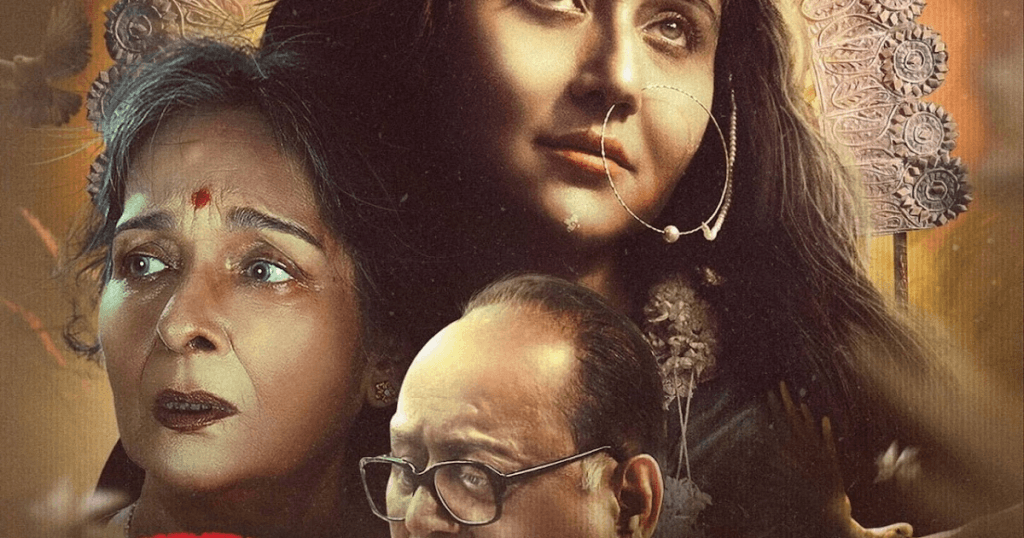
Bijoyar Pore (2023) is a compelling Bengali social drama that has resonated deeply with audiences in West Bengal and across India. Directed by a rising talent in Bengali cinema, the film explores pressing societal issues while blending emotional storytelling with nuanced character development. The narrative delves into family dynamics, social responsibility, and the challenges of navigating modern Indian society, making it a thought-provoking cinematic experience that appeals to viewers seeking both entertainment and meaningful reflection.
Plot and Narrative Structure
The story of Bijoyar Pore centers on Bijoy, a young man navigating the complexities of personal ambition, societal expectations, and family obligations. Set against the backdrop of contemporary Kolkata, the film portrays the struggles of individuals caught between tradition and modernity. Bijoy’s journey unfolds as he faces ethical dilemmas, social pressures, and the consequences of his decisions, providing a layered and engaging narrative.
The screenplay carefully balances multiple storylines, ensuring that each character’s arc contributes to the overall thematic depth. By weaving together personal and societal conflicts, the film creates a rich tapestry of human experience. The pacing is deliberate, allowing audiences to immerse themselves in the characters’ emotional journeys while maintaining suspense and engagement throughout the film.
Characterization and Performances
The strength of Bijoyar Pore lies in its character-driven storytelling. The protagonist, Bijoy, is portrayed with depth and authenticity, making his challenges and growth relatable to audiences. Supporting characters, including family members, friends, and community figures, are crafted to reflect the social fabric of contemporary Bengali society, highlighting issues such as class, tradition, and social responsibility.

Performances across the cast are noteworthy, with actors delivering nuanced portrayals that enhance the emotional resonance of the film. The chemistry between characters adds to the authenticity of the story, allowing viewers to connect with the narrative on both personal and societal levels. By focusing on realistic interactions and moral dilemmas, the film emphasizes character development over spectacle, making it a thoughtful social drama.
Themes and Social Commentary
Bijoyar Pore addresses themes that are highly relevant to modern Indian society, including family loyalty, social justice, ethical decision-making, and the tension between tradition and progress. The film explores how individual choices impact the wider community, encouraging viewers to reflect on their own roles within society. By highlighting social inequalities and the challenges of navigating personal and societal expectations, the film fosters meaningful dialogue among audiences.
The narrative also emphasizes resilience, empathy, and the importance of communication within families and communities. These themes resonate deeply in India, where social dynamics are often shaped by cultural expectations, familial obligations, and communal responsibilities. By integrating these elements into the story, Bijoyar Pore provides both entertainment and valuable social insight.
Cinematic Style and Technical Aspects
From a cinematic perspective, Bijoyar Pore demonstrates a thoughtful blend of visual storytelling and technical proficiency. The cinematography captures both the urban landscapes of Kolkata and the intimate settings of family life, enhancing the film’s emotional and thematic depth. The use of lighting, framing, and color palette reflects the mood of each scene, supporting the narrative’s social commentary.
The film’s editing ensures smooth transitions between storylines, maintaining narrative clarity and audience engagement. Music and background score underscore key emotional moments, enhancing the impact of the characters’ experiences. The combination of these technical elements contributes to a polished and immersive cinematic experience that complements the film’s social themes.
Reception and Cultural Impact
Upon release, Bijoyar Pore was well-received by critics and audiences for its insightful storytelling, strong performances, and socially relevant themes. The film sparked discussions about contemporary social issues in India, including generational conflicts, ethical decision-making, and the importance of empathy in community life. Its success underscores the appeal of Bengali cinema in addressing real-world concerns while maintaining engaging narratives.
Culturally, the film highlights the ability of regional cinema to reflect local experiences and societal challenges, while also resonating with a broader Indian audience. By presenting universal themes through a culturally specific lens, Bijoyar Pore demonstrates the power of cinema to foster understanding, reflection, and dialogue.

Conclusion
In conclusion, Bijoyar Pore (2023) is a socially conscious Bengali drama that combines compelling storytelling, nuanced character development, and technical excellence. The film’s exploration of family dynamics, ethical dilemmas, and societal challenges makes it both entertaining and thought-provoking. With strong performances, particularly from the lead actor, and a narrative that resonates with contemporary audiences, Bijoyar Pore stands out as a significant contribution to regional Indian cinema and social storytelling.
FAQs
1. What is the main theme of Bijoyar Pore?
The film explores family dynamics, social responsibility, ethical dilemmas, and the tension between tradition and modernity.
2. Who plays the lead role in the film?
The protagonist, Bijoy, is portrayed by a talented lead actor known for his nuanced performance and emotional depth.
3. How does Bijoyar Pore reflect Indian society?
It addresses social pressures, generational conflicts, and ethical decision-making, reflecting the complexities of contemporary Indian life.
4. Is Bijoyar Pore only relevant to Bengali audiences?
While culturally rooted in Bengal, the film’s universal themes make it relatable to audiences across India and beyond.
Next Topic: Vikram (2022) – Kamal Haasan Action Review
Also Check: Gangubai Kathiawadi (2022) – Top Biographical Drama