


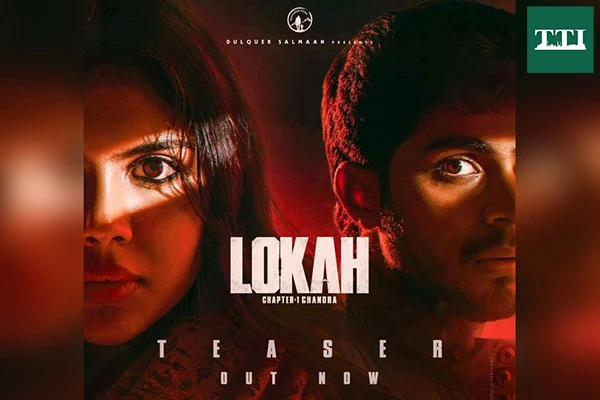
Lokah Chapter 1: Chandra is a 2025 Indian film that has quickly become one of the most discussed and impressive cinematic achievements in recent years. Directed by Dominic Arun and produced by Dulquer Salmaan under his production banner Wayfarer Films, the movie stands out as a bold and ambitious blend of fantasy, superhero storytelling, folklore, and character-driven drama. It is the first instalment in what is planned to be a multi-chapter cinematic universe, introducing audiences to an original Indian superhero narrative rooted in local culture and mythology.
Plot Summary and Core Themes
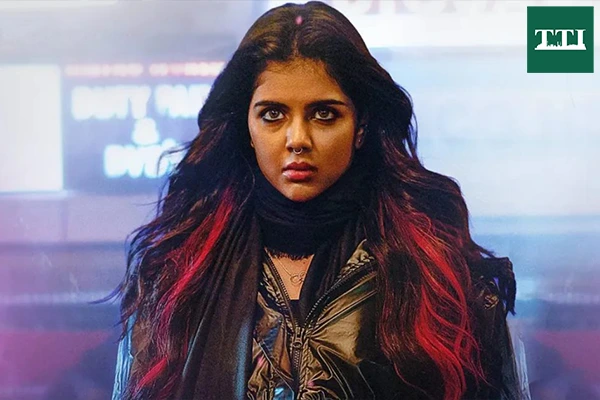
At its heart, Lokah Chapter 1: Chandra tells the story of Chandra, a mysterious woman who arrives in a fictional version of Bengaluru with a hidden purpose. She quickly becomes enmeshed in the city’s underworld when she intervenes to protect a coworker from an aggressive attack. This act of courage draws the attention of a corrupt police officer and a powerful organ-trafficking gang, sparking a chain of events that reveals deeper layers to her character and origins.
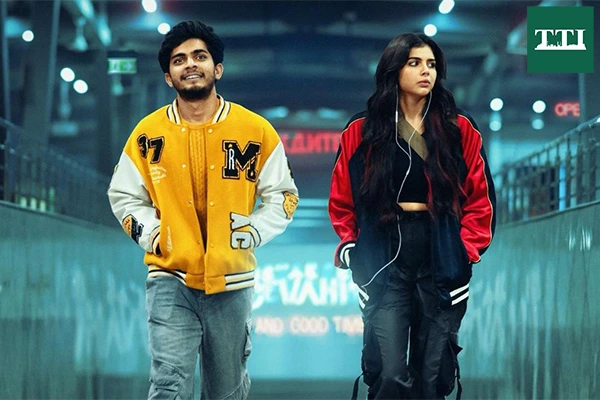
Chandra’s journey is more than a straightforward fight against evil. It explores the idea of identity, belonging, power, and responsibility. The narrative juxtaposes her supernatural strength with very human interactions, particularly with a young man named Sunny and his friends, which brings emotional depth to the story beyond its action and spectacle.
The film’s world is presented with rich texture, using elements of South Indian folklore and myth to build a universe that feels both fresh and rooted in tradition. Even as it draws comparisons with the global superhero genre, Lokah Chapter 1: Chandra resists simple mimicry of foreign models and instead constructs its own mythology and stylistic language.
Cast and Performances
The central performance is delivered by Kalyani Priyadarshan, who portrays Chandra with a blend of physical intensity and emotional restraint. Her performance anchors the film and gives strength to its central premise of a powerful but enigmatic female lead.
Supporting roles are filled by Naslen, Sandy, Chandu Salim Kumar, and Arun Kurian, among others. These actors contribute to the world around Chandra, offering performances that balance character development with the demands of an action-centric screenplay. The antagonist, played by Sandy, embodies the corrupt and violent forces that Chandra must confront, adding tangible stakes to the narrative.
Cameos and smaller roles, such as appearances by Anna Ben and Abraham Vadakkan, enrich the film’s tapestry, adding narrative layers and helping to establish the broader cinematic universe the filmmakers intend to build.
Technical Craft and World Building
From a technical standpoint, Lokah Chapter 1: Chandra excels in several areas. The cinematography by Nimish Ravi creates a visual style that feels cinematic and atmospheric, capturing the blend of urban grit and supernatural mystique that the story demands. The editing by Chaman Chakko maintains narrative momentum over the film’s 150-minute runtime, allowing dramatic and action sequences to interweave without compromising clarity.
Music and sound design, led by Jakes Bejoy, play a significant role in shaping the mood of the film. The soundtrack includes the promotional track “Thani Lokah Murakkaari” and remastered versions of classic melodies, which are integrated into the narrative with care and serve to enhance emotional resonance.
The production design and visual effects work contribute to a fully realized setting that feels both familiar and invented. The contrast between everyday locations and the dramatic imagery associated with Chandra’s powers strengthens the film’s thematic impact and makes its world building one of its most compelling aspects.
Read our previous movie insight: The Mehta Boys (2025) – A Heartfelt Exploration of Family and Reconciliation
Reception and Impact
Lokah Chapter 1: Chandra has been met with predominantly positive reviews and has achieved remarkable commercial success. Critics have praised its visual ambition, world building, and the decision to center a female superhero in a context that is rarely explored on such a scale in Indian cinema. On review aggregator platforms, it holds strong ratings with praise for both its technical execution and narrative imagination.
The film also set new benchmarks at the box office. It crossed the ₹100 crore mark in global gross within its first week and continued to break records, becoming the highest-grossing Malayalam film of all time and one of the highest-grossing Indian films featuring a female lead.
Additionally, the movie’s success has helped generate excitement for its planned sequel chapters and sparked industry conversations about the potential for home-grown cinematic universes rooted in non-Western storytelling traditions.
Controversies and Broader Conversations
No major film remains entirely free of controversy, and Lokah Chapter 1: Chandra encountered some backlash related to specific dialogues that were perceived as negative portrayals of a real city. The production company responded with an apology and clarified that the story’s setting was fictional, not a direct representation of any real location.
These moments of public discussion reflect how the film has entered broader cultural conversations, not only about representation and narrative responsibility but also about the growing influence of Indian cinema on global audiences.
Why You Should Watch It
Lokah Chapter 1: Chandra is more than a conventional movie. It is an experience that blends fantasy, action, emotion, and cultural depth. It represents a shift in how Indian films can approach the superhero genre—without relying on borrowed templates and instead creating something indigenous and distinctive. The film’s success demonstrates that audiences are ready for original storytelling that challenges norms and expands cinematic boundaries.
For anyone interested in films that combine strong characters, imaginative world building, and thoughtful engagement with genre, Lokah Chapter 1: Chandra is a compelling recommendation.