


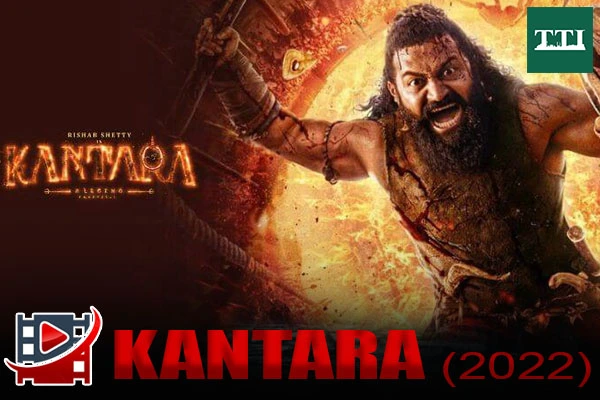
Kantara (2022), directed by Rishab Shetty, is a Kannada action-drama that has captured the imagination of audiences across Karnataka and other parts of India. Set in coastal Karnataka, the film blends folklore, cultural traditions, and raw human emotions into a gripping narrative. With Rishab Shetty in the lead role, Kantara explores themes of heritage, community conflict, and the struggle between modern law and age-old customs. The movie’s unique focus on Karnataka’s folk culture, combined with intense performances and immersive storytelling, has made it a major success in Kannada cinema. This article provides an in-depth review of Kantara (2022), analyzing its plot, performances, technical brilliance, audience reception, and cultural significance.
Storyline: Tradition, Conflict, and Identity
Kantara revolves around the protagonist, Shiva, a villager deeply rooted in the traditions of his community. The story begins with a seemingly simple conflict between the villagers and authorities over land and forest rights, which escalates into a dramatic confrontation between ancient customs and modern law enforcement. The narrative intricately weaves elements of folklore, mysticism, and societal tension, creating a compelling tale that is both entertaining and thought-provoking.
The film’s storyline is inspired by traditional rituals and cultural practices in coastal Karnataka. Shiva’s character embodies the struggle to preserve his heritage while navigating external pressures from government authorities and opportunistic individuals. The plot’s tension arises from these competing forces, leading to conflicts that test loyalty, morality, and personal strength.
One of the film’s strengths is its ability to portray universal themes through a local lens. While deeply rooted in Karnataka’s culture, the story of Kantara—identity, justice, and resistance—resonates with audiences beyond the region. The film skillfully balances folklore, human drama, and high-stakes conflict to maintain suspense and emotional engagement throughout its runtime.
Performances: Raw Energy and Authenticity
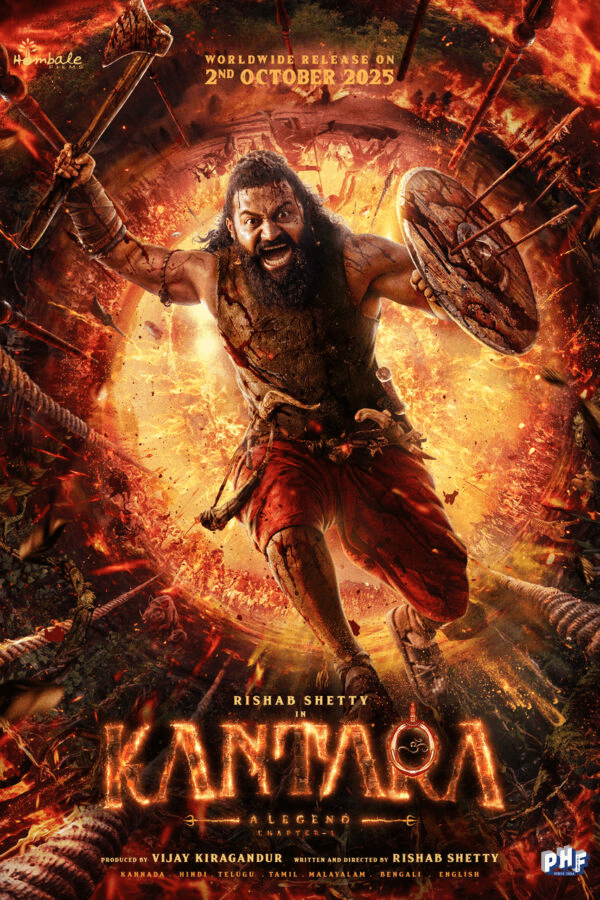
Rishab Shetty delivers a powerful performance as Shiva, combining physical intensity with emotional depth. His portrayal of a man caught between tradition and modernity feels authentic, making the character relatable and compelling. Shetty’s nuanced expressions and commanding presence effectively convey the internal and external conflicts that drive the story.
Supporting actors, including Sapthami Gowda and Kishore, enhance the film’s emotional and dramatic layers. Sapthami’s performance adds a personal dimension to Shiva’s journey, while Kishore’s portrayal of the antagonist provides formidable tension that fuels the narrative. The ensemble cast’s ability to embody characters with cultural and emotional authenticity strengthens the overall impact of the film.
Critics and audiences have praised the performances for their naturalism and energy. Unlike conventional action films, Kantara emphasizes character-driven storytelling, with actors conveying the weight of cultural responsibility and personal sacrifice in their performances. This dedication to realism is a key factor in the film’s success.
Technical Excellence: Cinematography, Music, and Action
The cinematography of Kantara, handled by Arvind S. Kashyap, plays a pivotal role in immersing viewers in the story. The film captures Karnataka’s lush landscapes, dense forests, and traditional village settings with stunning detail. Wide shots of rituals, forested terrains, and intense confrontations emphasize the scale and stakes of the narrative, while close-ups highlight character emotions and tension.
Music by B. Ajaneesh Loknath blends folk elements with intense background scores, creating an atmosphere that complements both the dramatic and cultural aspects of the film. Traditional instruments and melodies are skillfully integrated with action sequences, enhancing the film’s authenticity and emotional resonance.
Action choreography in Kantara is another standout element. The fight sequences are grounded in realism, showcasing Shiva’s physical prowess while remaining true to the story’s cultural context. The combination of traditional combat styles and strategic storytelling ensures that action serves the narrative rather than overshadowing it.
Editing by Abhishek R. Varman maintains narrative flow and suspense. The pacing allows for gradual tension building, seamlessly transitioning between moments of folklore, drama, and confrontation. This careful structuring ensures that viewers remain engaged throughout the film’s runtime.
Audience Reactions and Box Office Success
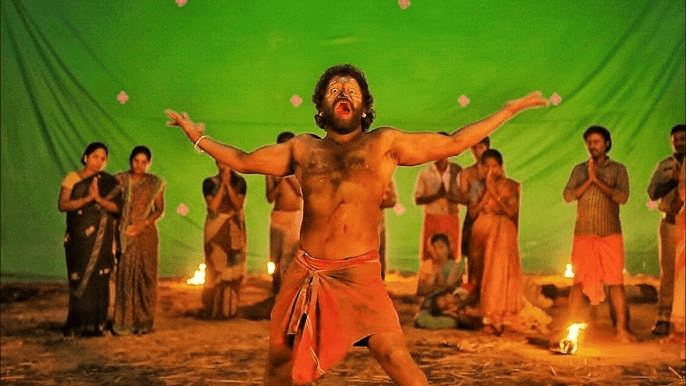
Kantara has been widely celebrated by audiences and critics alike. Viewers praised its unique focus on Karnataka’s folk traditions, the compelling storyline, and Rishab Shetty’s dynamic performance. Social media discussions highlighted the film’s memorable dialogues, cultural authenticity, and high-energy action sequences, contributing to its popularity.
The film’s commercial success reflects its broad appeal. Kantara performed exceptionally well at the Karnataka box office, attracting audiences from diverse age groups and regions. Its popularity has also extended to neighboring states, with dubbed versions in other South Indian languages further expanding its reach. The combination of local flavor, compelling drama, and high production quality has helped the film achieve both critical and commercial acclaim.
Cultural Significance and Impact
Kantara is notable for its celebration of Karnataka’s cultural heritage. The film shines a spotlight on rituals, traditions, and folklore that are often underrepresented in mainstream cinema. By integrating these elements into a compelling narrative, the movie educates viewers while entertaining them, fostering appreciation for regional culture and history.
The film also explores themes of justice, community, and the tension between modern law and traditional practices. This exploration prompts audiences to reflect on broader societal issues, including land rights, cultural preservation, and moral responsibility. The emphasis on authentic representation of folk culture and the natural environment has contributed to the film’s lasting impact on Kannada cinema.
Kantara has inspired other filmmakers to explore regional stories with cultural depth, demonstrating the potential for local narratives to achieve national recognition. Its success reinforces the value of authenticity, research, and dedication to regional storytelling in Indian cinema.

Conclusion
In conclusion, Kantara (2022) is a remarkable Kannada action-drama that blends folklore, culture, and intense human drama into a compelling cinematic experience. Rishab Shetty’s powerful performance, combined with the film’s authentic depiction of Karnataka’s traditions, meticulous cinematography, and engaging storyline, makes it a standout film in contemporary Indian cinema. Its cultural significance, audience appeal, and critical acclaim establish Kantara as a must-watch for fans of regional cinema, folk narratives, and action-packed drama. The film’s unique combination of local heritage and universal themes ensures that it will remain a reference point for quality storytelling in Kannada and Indian cinema.
FAQs
1. Who directed Kantara 2022?
Rishab Shetty directed the film, blending folk culture with a gripping action-drama narrative.
2. What is the main story of Kantara?
The film follows Shiva, a villager defending his community’s traditions and land, navigating conflict with modern authorities.
3. How was Kantara received by audiences?
Audiences praised its authentic portrayal of folk culture, compelling storytelling, and strong performances, making it a box office hit.
4. What makes Kantara culturally significant?
It highlights Karnataka’s folk traditions, rituals, and community dynamics, celebrating regional heritage while exploring universal themes.
Next Topic: Jaane Jaan 2023 Netflix Thriller Review India
Also Check: Drishyam 2013 Malayalam Review – Thriller Classic