


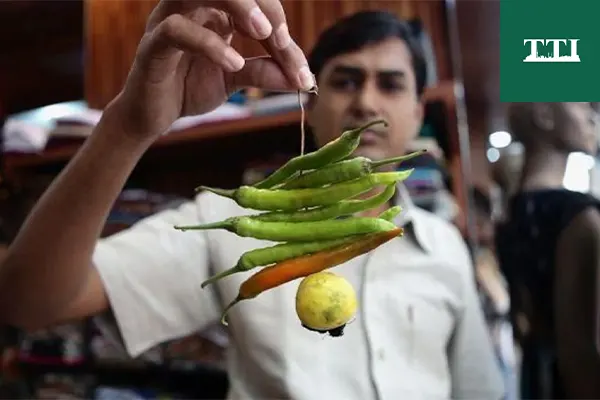
In the vibrant tapestry of Indian culture, certain practices and symbols carry layers of meaning that blend superstition, tradition, and everyday life. One such ubiquitous charm is the “Nimbu-Mirchi,” a combination of lemon (nimbu) and green chili (mirchi). Seen dangling from doorways, vehicles, and workplaces across India, this simple amulet is deeply embedded in the collective consciousness of the Indian people. Though it might appear merely decorative to an outsider, it is, in fact, a powerful talisman believed to ward off evil and invite positivity.
Origins and Historical Context
The origins of the nimbu-mirchi charm can be traced back to ancient Indian practices where everyday items were imbued with spiritual significance. Lemon, with its bright color and sharp scent, was considered a purifying element capable of absorbing negative energy. Green chili, on the other hand, was believed to possess protective properties due to its fiery nature. By combining these two natural elements, communities developed a simple yet potent talisman designed to safeguard homes and individuals from malevolent forces, envy, and the so-called “evil eye” or nazar.
The charm’s historical roots are also connected to Hindu ritualistic practices. Lemons were often used in religious ceremonies as offerings to deities to attract blessings and prosperity. Chilies, while not directly used in offerings, symbolized the fiery energy necessary to repel negativity. Together, they formed a practical and symbolic tool for everyday protection.
Symbolism of Lemon and Green Chili
The symbolism of nimbu-mirchi is multifaceted. The lemon represents purity, freshness, and vitality. Its bright yellow hue is associated with the sun, positivity, and energy, which are thought to counteract negative vibrations. Green chili represents heat, energy, and protective power. Its pungency is believed to shock or deter evil influences from approaching.
The combination is particularly effective in cultural imagination because it blends balance and strength. While the lemon attracts positive energy, the chili deflects negativity, creating a dual shield that ensures well-being and safety. This symbolic pairing is a reflection of a broader Indian worldview, which sees the universe as a delicate balance of forces, where positive and negative energies must be managed and harmonized.
Also Read: Origins of the Nale Ba Legend: A Folkloric Warning in Indian Culture
Placement and Usage in Daily Life
The nimbu-mirchi charm is commonly seen at the entrance of homes and businesses, tied to the main door or hung near windows. Its purpose in these locations is to act as a first line of defense against negative energies entering a space. Vehicles, particularly trucks and cars, often display this charm as well, protecting the travelers from accidents, theft, and misfortune.
The charm is generally made by stringing a lemon with four or five green chilies on a thread. It is often replaced every few weeks, particularly after auspicious days or religious ceremonies, as it is believed that the protective power of the items diminishes over time. Some households also involve priests or elders in the ritual of hanging the charm, ensuring that the process is spiritually significant and imbued with intention.
Cultural Beliefs and Superstitions
The belief in nimbu-mirchi is strongly tied to the concept of the nazar, or evil eye, which is the idea that envy, jealousy, or ill will from others can bring misfortune. The charm is thought to deflect this negative attention and preserve harmony within the home or workplace. While some may dismiss the practice as superstition, it remains a common sight in both rural and urban India, transcending social and economic boundaries.
Interestingly, the charm also holds social significance. In many communities, gifting or suggesting a nimbu-mirchi charm is a sign of care and concern, a way to ensure that loved ones remain safe and protected. It acts as a cultural gesture that reinforces bonds, trust, and collective beliefs, showing that spirituality and everyday life are deeply intertwined in Indian society.
Modern Adaptations
In contemporary India, the nimbu-mirchi charm has adapted to urban lifestyles. Modern variations include charms made of plastic or metal to resemble the original lemon and chili, ensuring durability and convenience. Despite these changes, the symbolic meaning remains intact, demonstrating the resilience of cultural traditions even in the face of modernization. Some businesses also use these charms as marketing tools, displaying them prominently to convey trustworthiness and prosperity to clients and customers.
Additionally, the nimbu-mirchi has found its way into popular culture, including films, television shows, and social media, often depicted as a quintessential part of Indian households. Its presence highlights the continued relevance of traditional practices and the importance of spiritual and cultural symbols in daily life.
Conclusion
The lemon and green chili charm, or nimbu-mirchi, is much more than a simple ornament; it is a profound cultural symbol that embodies protection, positivity, and spiritual balance. Rooted in centuries-old practices, it bridges the gap between superstition and faith, tradition and modernity. From homes to vehicles, from rural villages to bustling cities, this humble talisman continues to play a significant role in Indian life, reflecting the enduring power of cultural beliefs in shaping daily experiences.
Even in an age dominated by technology and rationalism, the charm’s simple presence serves as a reminder of India’s rich cultural heritage, where natural elements are celebrated not only for their physical qualities but also for their spiritual and protective significance.