


Infrastructure development is a critical driver of economic growth, social progress, and urban transformation in India. Over the past decade, the government has prioritized large-scale infrastructure projects aimed at improving connectivity, boosting industrial development, enhancing public services, and fostering sustainable urbanization. From highways and metro systems to smart cities and renewable energy projects, these initiatives are shaping India’s economic and social landscape, attracting investments, and creating employment opportunities. This article explores the key government infrastructure projects and their implications for India’s future.
National Highways and Road Connectivity
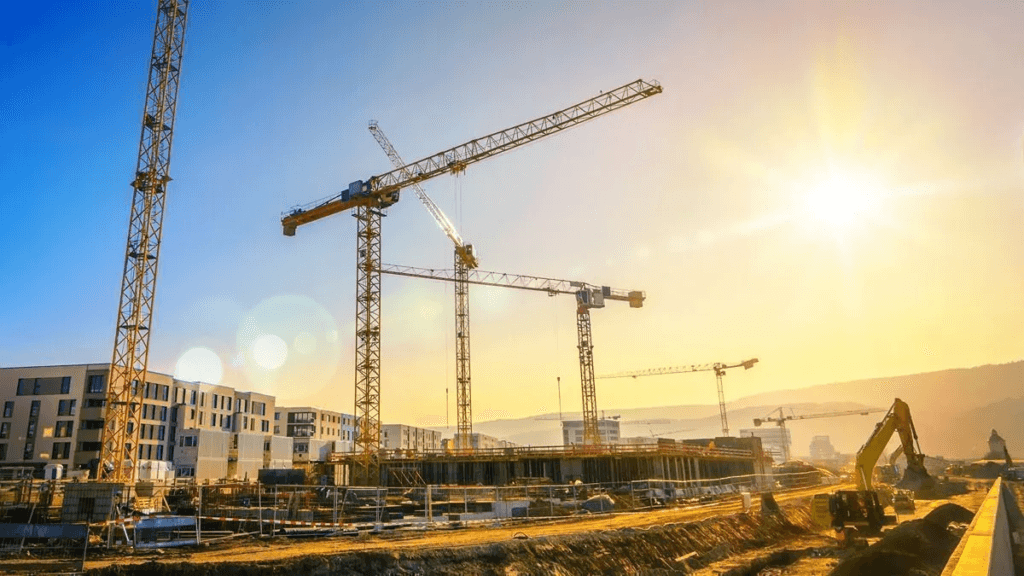
Road infrastructure is fundamental to India’s growth, facilitating the movement of goods, services, and people across regions. The Bharatmala Pariyojana is one of the largest highway development projects, aimed at constructing and upgrading thousands of kilometers of national highways. By improving connectivity between rural and urban areas, the project enhances trade, reduces travel time, and lowers transportation costs.
State highways and expressways, such as the Mumbai-Nagpur Expressway and the Delhi-Mumbai Industrial Corridor, are pivotal in linking industrial hubs, ports, and metropolitan regions. These projects not only enable efficient logistics but also promote regional economic development, attracting industries to previously underdeveloped areas.
Improved road networks also support tourism, agriculture, and small businesses by providing better access to markets and resources. The expansion of rural roads under the Pradhan Mantri Gram Sadak Yojana (PMGSY) has connected remote villages to district centers, enhancing mobility and access to services for rural populations.
Urban Infrastructure and Smart Cities
India’s rapid urbanization has led to the rise of smart cities and urban infrastructure projects aimed at sustainable development. The Smart Cities Mission focuses on integrated urban planning, efficient public transport, waste management, water supply, and digital governance.
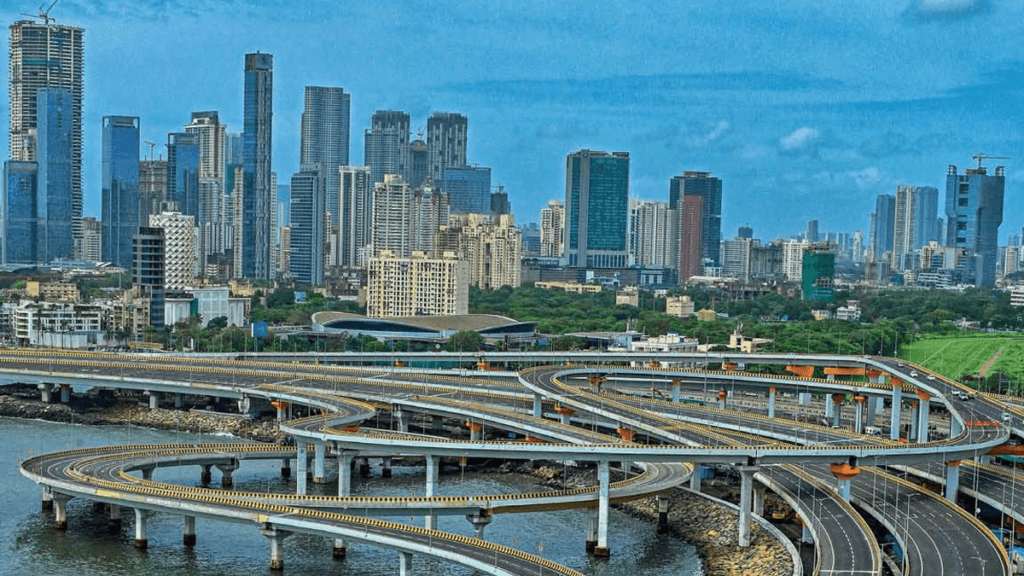
Metro rail projects in cities like Delhi, Bengaluru, Mumbai, Chennai, and Hyderabad have transformed urban mobility, reducing congestion, pollution, and travel time. These projects not only improve the quality of life for urban residents but also stimulate economic activity by connecting business districts, residential areas, and industrial zones.
Affordable housing and urban renewal programs complement these initiatives by providing quality living spaces, reducing slums, and creating sustainable urban communities. Investments in urban infrastructure attract businesses, enhance property values, and support the growth of retail, hospitality, and service sectors.
Rail and Transportation Projects
Railway modernization is another cornerstone of India’s infrastructure agenda. The Dedicated Freight Corridors (DFC) aim to streamline cargo movement, reduce congestion on passenger routes, and improve logistics efficiency. These corridors enhance the competitiveness of Indian goods in domestic and international markets by reducing transportation costs and delivery times.
High-speed rail projects, such as the Mumbai-Ahmedabad bullet train, exemplify India’s commitment to advanced transport solutions. These initiatives not only offer faster travel but also generate employment opportunities during construction and operation phases. Modern railway stations, electrification, and digital ticketing further enhance passenger experience and operational efficiency.
Airports are also undergoing expansion under the UDAN (Ude Desh ka Aam Nagrik) scheme, which aims to improve regional connectivity. Developing new airports and upgrading existing ones boosts tourism, trade, and investment while providing faster access to remote regions.
Renewable Energy and Sustainable Infrastructure
India’s infrastructure agenda increasingly emphasizes sustainability and renewable energy. Projects in solar, wind, and hydroelectric power contribute to energy security, reduce carbon emissions, and support the country’s climate goals.
The National Solar Mission focuses on developing large-scale solar parks and rooftop installations, promoting clean energy adoption across urban and rural areas. Wind energy projects in states like Tamil Nadu, Gujarat, and Maharashtra provide additional capacity while supporting regional employment.
Infrastructure development now integrates environmental considerations, including green buildings, energy-efficient public facilities, and eco-friendly urban planning. Such initiatives not only address climate challenges but also create opportunities for innovation and sustainable investment.
Industrial Corridors and Economic Zones
Infrastructure development is closely linked with industrial growth. The Delhi-Mumbai Industrial Corridor (DMIC), Amritsar-Kolkata Industrial Corridor, and other regional economic zones aim to promote manufacturing, logistics, and trade. These corridors provide modern facilities, reliable power, efficient transportation, and integrated urban planning for businesses.
Industrial corridors attract domestic and foreign investment, generate employment, and stimulate regional economies. By linking urban centers with rural production hubs, they facilitate balanced economic growth and reduce regional disparities. Special Economic Zones (SEZs) and Export Promotion Industrial Parks further support export-oriented industries, enhancing India’s global competitiveness.
Digital Infrastructure and Smart Governance
Digital infrastructure is a critical component of modern development. Initiatives such as BharatNet, which aims to provide high-speed internet connectivity to rural areas, bridge the digital divide and support e-governance, education, and digital payments.
Urban digital initiatives, including smart traffic management, e-governance platforms, and IoT-enabled public services, enhance efficiency and transparency. These projects reduce administrative burdens, improve service delivery, and encourage citizen participation in governance.
Integration of digital infrastructure with transport, energy, and healthcare systems allows for real-time monitoring, predictive maintenance, and resource optimization. Such innovations contribute to sustainable growth and improved quality of life.
Challenges and Future Outlook
While India has made significant strides in infrastructure development, challenges remain. Land acquisition, regulatory hurdles, financing constraints, and project delays can slow implementation. Ensuring equitable access, maintaining environmental standards, and integrating rural and urban development are ongoing priorities.
Public-private partnerships (PPP) have emerged as a key solution, leveraging private investment and expertise to accelerate project completion. Increased funding through multilateral institutions, infrastructure bonds, and government schemes will further support infrastructure expansion.
Looking ahead, India’s infrastructure development is poised to transform the economy, improve living standards, and enhance global competitiveness. Focus on sustainable, inclusive, and technologically advanced projects will be critical to meeting the needs of a growing population and dynamic economy.
Conclusion
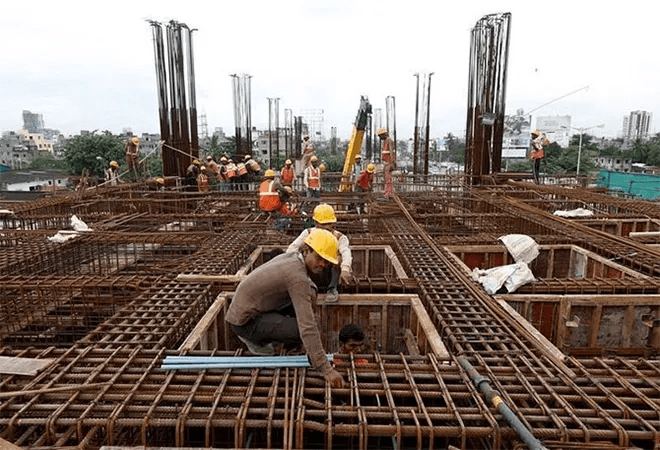
Government infrastructure projects are reshaping India’s future by enhancing connectivity, promoting industrial growth, improving urban living, and supporting sustainable development. Initiatives in highways, metros, railways, airports, renewable energy, and digital infrastructure have far-reaching economic and social impacts. Despite challenges, ongoing investments and policy support ensure that India is moving toward a modern, efficient, and inclusive infrastructure ecosystem. These projects not only stimulate economic growth but also create employment, foster innovation, and improve quality of life, positioning India as a global leader in infrastructure development.
FAQs
1. What is the Bharatmala Pariyojana?
It is a highway development program aimed at constructing and upgrading thousands of kilometers of national highways to improve connectivity and trade.
2. How do metro rail projects impact urban development?
Metro systems reduce traffic congestion, improve mobility, enhance environmental quality, and stimulate economic activity in urban areas.
3. What role does renewable energy play in India’s infrastructure development?
Renewable energy projects like solar and wind power enhance energy security, reduce carbon emissions, and support sustainable urban and rural development.
4. How do industrial corridors contribute to economic growth?
Industrial corridors provide modern infrastructure, attract investment, create jobs, and promote regional economic development.
Next Topic: Business Models of Indian Fintech Startups
Also Check: Government Schemes for Indian Farmers: Complete Guide