


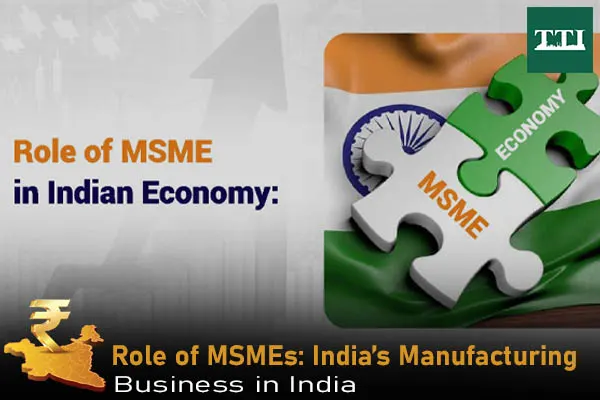
Micro, Small, and Medium Enterprises (MSMEs) form the backbone of India’s manufacturing sector, driving innovation, employment, and economic growth. With over 63 million units operating across the country, MSMEs contribute nearly 30% of India’s GDP and around 45% of total manufacturing output. These enterprises are critical for fostering entrepreneurship, regional development, and export competitiveness. Government policies, technology adoption, and financial support have further strengthened MSMEs, enabling them to play an increasingly pivotal role in India’s industrial ecosystem.
Overview of MSMEs in India
MSMEs are categorized based on investment in plant, machinery, and equipment:
- Micro Enterprises: Investment up to ₹1 crore in manufacturing
- Small Enterprises: Investment up to ₹10 crore in manufacturing
- Medium Enterprises: Investment up to ₹50 crore in manufacturing
MSMEs operate in diverse sectors, including textiles, electronics, automotive components, food processing, chemicals, and handicrafts. Their flexibility, low capital requirements, and ability to adapt quickly to market changes make them vital contributors to the manufacturing landscape.
The government has recognized the importance of MSMEs and launched several initiatives such as the MSME Development Act, Prime Minister’s Employment Generation Programme (PMEGP), and Credit Guarantee Fund Trust for Micro and Small Enterprises (CGTMSE). These programs aim to enhance access to finance, technology, and markets while improving competitiveness and innovation.
Contribution to Manufacturing and Economic Growth
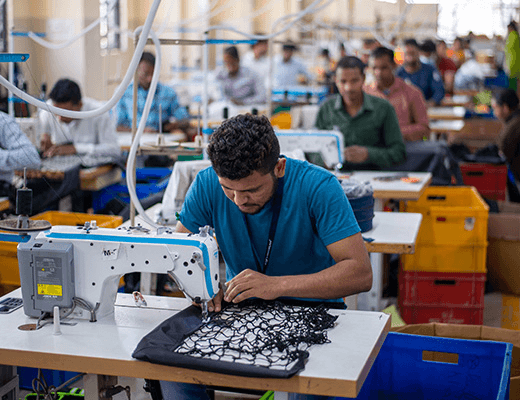
MSMEs significantly enhance the productivity and diversity of India’s manufacturing sector. They often serve as suppliers to larger corporations, forming a critical part of industrial supply chains. In the automotive industry, for example, MSMEs produce components ranging from engine parts to electrical systems, supporting major OEMs while generating employment in semi-urban and rural areas.
In addition to domestic manufacturing, MSMEs contribute to India’s export earnings, producing handicrafts, textiles, engineering goods, and pharmaceuticals for international markets. Flexible production capacities and customized offerings allow MSMEs to respond to global demand and niche markets efficiently.
By promoting regional industrialization, MSMEs reduce economic disparities between urban and rural areas. Clusters of small-scale industries, such as those in Ludhiana (textiles), Coimbatore (engineering), and Moradabad (brassware), create localized employment and stimulate ancillary businesses.
Financial Support and Government Initiatives
Access to finance has traditionally been a barrier for MSMEs, especially for startups and smaller units. Recognizing this, the government has introduced multiple schemes to provide working capital, credit guarantees, and subsidized loans.
The MSME Credit Guarantee Fund Trust (CGTMSE) enables banks to lend to MSMEs without collateral, encouraging entrepreneurship and risk-taking. Similarly, the Prime Minister’s Employment Generation Programme (PMEGP) provides financial assistance for new units, supporting startups and small-scale enterprises.
Subsidies on machinery, technology upgrades, and marketing support are provided under programs like the Credit Linked Capital Subsidy Scheme (CLCSS). By reducing the cost of modern equipment and facilitating access to advanced manufacturing processes, these initiatives enhance competitiveness and productivity.
Technology Adoption and Digital Transformation
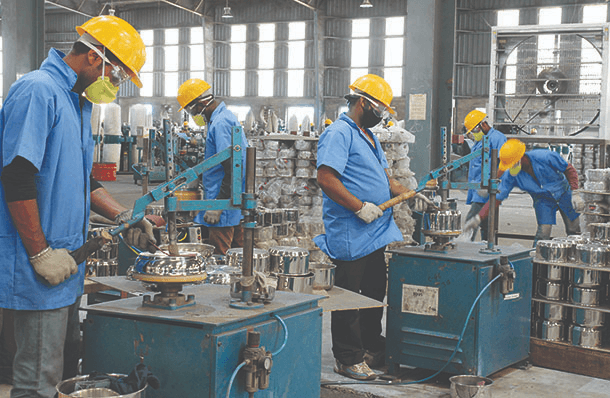
MSMEs are increasingly adopting technology to improve efficiency, reduce costs, and expand market reach. Automation, digital inventory management, and cloud-based accounting systems enable smaller units to operate like larger organizations while maintaining flexibility.
E-commerce and digital platforms play a significant role in market expansion. MSMEs can now sell products directly to consumers and global buyers through portals like IndiaMART, Udyam, and Flipkart, bypassing intermediaries and reaching wider audiences.
Advanced manufacturing technologies such as 3D printing, robotics, and IoT-enabled machinery are being piloted by innovative MSMEs, particularly in engineering and high-value manufacturing sectors. Technology adoption not only improves product quality but also attracts new investment and partnerships with larger corporations.
MSMEs and Employment Generation
MSMEs are major contributors to employment, especially in semi-urban and rural areas where large factories are often absent. By providing jobs in manufacturing, services, and allied sectors, MSMEs help reduce rural-urban migration and support inclusive growth.
Skilled labor development is promoted through government training programs, vocational courses, and skill development initiatives. These programs enhance workforce capabilities, ensuring that MSMEs have access to competent employees and can maintain high-quality production standards.
Women entrepreneurs also play an increasingly significant role in MSMEs, particularly in handicrafts, food processing, and textiles. Government schemes such as Mahila Coir Yojana and Stree Shakti Package provide financial and technical support, promoting gender-inclusive growth.
Challenges Faced by MSMEs
Despite their critical role, MSMEs face challenges that can limit growth and competitiveness. Access to timely credit remains a concern, especially for micro-enterprises without formal financial histories. Delays in payments from large corporations and government agencies also strain cash flows.
Other challenges include outdated technology, lack of skilled labor, and difficulties in meeting regulatory compliance and quality standards. Global competition, price volatility, and limited market access further compound these issues.
To address these challenges, the government and private sector are collaborating to provide technology support, market linkages, mentorship, and credit facilitation. Industry associations such as Federation of Indian Micro and Small & Medium Enterprises (FISME) also play a role in advocating policies and supporting MSME growth.
Future Outlook
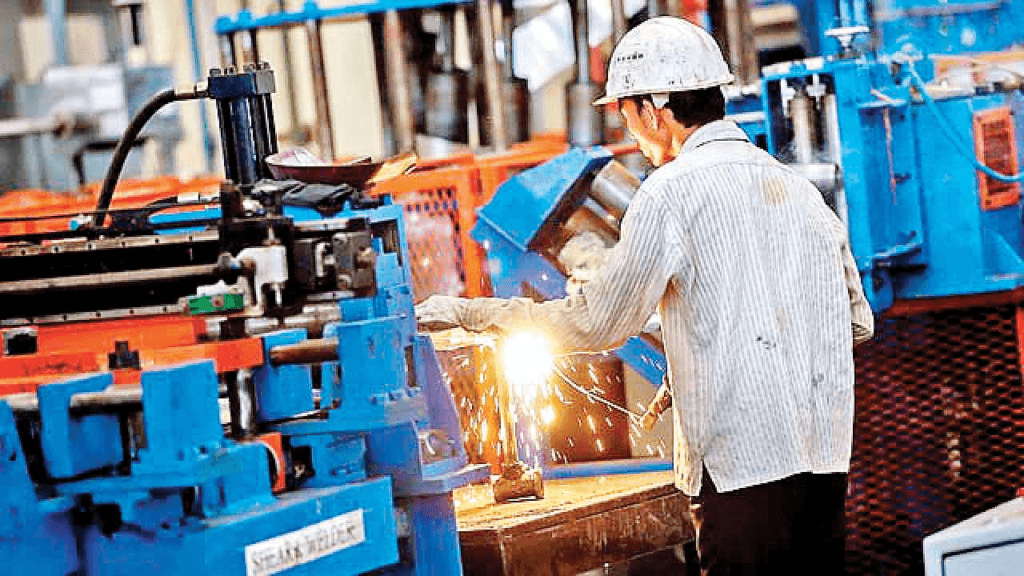
MSMEs are expected to play an increasingly strategic role in India’s manufacturing sector as the government promotes initiatives like Make in India, Digital India, and Atmanirbhar Bharat (Self-Reliant India). Policies encouraging local production, technology adoption, and global export competitiveness are likely to benefit MSMEs, enabling them to scale and innovate.
Integration with larger industrial supply chains, adoption of green manufacturing practices, and participation in export-oriented clusters will be key drivers of future growth. As MSMEs become more technologically advanced and globally connected, they will continue to enhance India’s position in international manufacturing.
Conclusion
MSMEs are indispensable to India’s manufacturing sector, contributing to economic growth, employment generation, and regional development. Through government support, technology adoption, and innovative business practices, these enterprises are enhancing productivity, competitiveness, and export potential. Challenges such as access to finance, technology, and skilled labor persist, but continued policy focus and industry collaboration offer solutions. With strategic investment and modernization, MSMEs will continue to be a driving force behind India’s industrial growth and economic resilience.
FAQs
1. What is the contribution of MSMEs to India’s manufacturing sector?
MSMEs contribute nearly 30% of India’s GDP and around 45% of total manufacturing output, producing goods across diverse sectors.
2. How do MSMEs benefit from government schemes?
Schemes provide financial assistance, credit guarantees, technology subsidies, skill development, and market linkages to enhance competitiveness.
3. What role does technology play in MSMEs?
Technology improves efficiency, reduces costs, ensures quality, and enables access to digital markets and global customers.
4. How do MSMEs impact employment in India?
They generate significant employment, particularly in semi-urban and rural areas, promoting inclusive growth and reducing rural-urban migration.
Next Topic: Impact of Global Oil Prices on Indian Economy
Also Check: Ayushman Bharat Scheme: Impact on Healthcare Business